AI Tech Digest
AiTechDigest
  • Home
  • Categories
    • AI & Machine Learning
    • Future Technologies
    • Tech Industry News
    • Robotics & Automation
    • Quantum Computing
    • Cybersecurity & Privacy
    • Big Data & Analytics
    • Ethics & AI Policy
    • Gadgets & Consumer Tech
    • Space & Aerospace Tech
  • All Posts
  • AI & Machine Learning
  • Future Technologies
  • Tech Industry News
  • Robotics & Automation
  • Quantum Computing
  • Cybersecurity & Privacy
  • Big Data & Analytics
  • Ethics & AI Policy
  • Gadgets & Consumer Tech
  • Space & Aerospace Tech
November 11.2026
3 Minutes Read

Rediscovering Fast Radio Bursts: A Sonic Exploration to the Cosmos

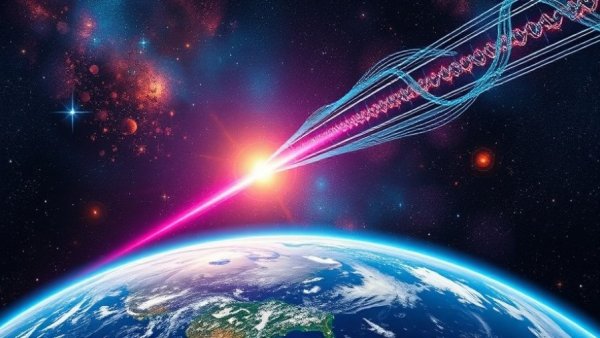
Visual of fast radio burst reaching Earth from space

Hearing the Universe: Fast Radio Bursts Explained

Fast radio bursts (FRBs) are among the most enigmatic phenomena in the cosmos, releasing unparalleled energy in bursts that are incomprehensible to the human eye. These cosmic flashes, which can eschew the energy output of the Sun in mere milliseconds, have intrigued astronomers since their first detection in 2007. With recent advancements, however, we are now able to experience these bursts not through sight but through sound.

The CHIME Revolution in Astronomy

The Canadian Hydrogen Intensity Mapping Experiment (CHIME) has significantly changed the landscape of FRB research. By utilizing a wide field of view combined with advanced supercomputing capabilities, CHIME has recorded an astonishing 4,539 FRBs since its inception in 2018. This development has not only increased the number of identified bursts but also underscored the complexity surrounding their origins, whether they are birthed from merging neutron stars or from magnetars, the latter being highly magnetic neutron stars formed in the aftermath of supernova explosions.

From Data to Sound: A Unique Artistic Interpretation

In a remarkable fusion of art and science, artist Andrew Melchior has created a captivating installation titled 'The Logos' at the Oulu Cathedral in Finland. By translating the radio signals of FRBs into sound, Melchior allows us to hear the universe in a completely novel way. Each burst's distinct structure is transformed into varying musical pitches, producing a soundscape that ranges from mellow hums to sharp pops, simulating how these celestial messages travel across billions of years before reaching Earth.

The Role of Physics in Our Cosmic Symphony

Melchior's artistic endeavor isn't just about aesthetics; it encompasses scientific principles as well. The process of ‘sonification’ involves mapping radio data to sound, allowing listeners to experience the dispersion of each signal. The high frequencies of bursts arrive first before sweeping downward, akin to the echoes of a cosmic melody resonating within the cathedral's walls. As described by Melchior, this auditory journey enhances our appreciation of the complex journey each FRB undergoes, revealing insights into the vast expanses of space they traverse.

Future Discoveries on the Horizon

With telescopes like the James Webb Space Telescope, the study of FRBs continues to yield significant insights. Recent findings have pinpointed the host galaxy of the farthest FRB ever observed, from a time when the universe was merely 3 billion years old. This research contradicts assumptions about the mechanisms of FRB generation, encouraging scientists to consider alternative theories about their origins, especially the implications of young neutron stars.

An Unfolding Cosmic Story

As we engage with the universe's most powerful signals, we also explore questions of existence, creativity, and connection. On November 21, Oulu Cathedral will host a special event where singers will join the performance, creating an enthralling experience that echoes back to the cosmos while bridging the gap between the scientific and the spiritual.

The blend of science, art, and community fosters an appreciation for the innovations that make these experiences possible. Studies show that engaging with complex scientific phenomena through art can deepen public interest in space exploration, inspiring future generations to explore and innovate.

By combining auditory experiences with scientific discovery, we gain not only knowledge but also a profound connection to the ever-expanding universe around us. This unique marriage of art and science not only enhances our understanding of fast radio bursts but also encourages continued exploration of our cosmic neighborhood, making science accessible and engaging for everyone.
Future Technologies

0 Views

0 Comments

Write A Comment

*
*
Please complete the captcha to submit your comment.
Related Posts All Posts
11.12.2026

De-Extinction Dreams Challenged: Can We Truly Revive Extinct Species?

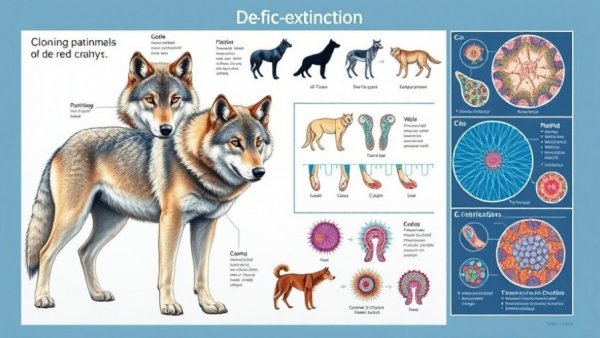
Update The Dream of De-Extinction: A Reality CheckThe idea of bringing long-gone species back to life has captivated the imagination of scientists and the public alike. With advancements in biotechnology—such as DNA sequencing and genetic engineering—some believe that we could once again see woolly mammoths and saber-toothed cats roaming the Earth. However, a recent opinion piece by Andrew Davinack and Charlotte K. Daniels from Wheaton College presents a sobering perspective on these ambitious projects.Understanding De-Extinction AttemptsDe-extinction is often touted as a cutting-edge miracle of modern science, but Davinack and Daniels challenge the assumption that it can truly reverse extinction. For instance, biotechnology company Colossal Biosciences claimed to resurrect the dire wolf using genetically modified living gray wolves. However, the resulting creatures are genetically engineered versions of their ancestors, lacking the rich evolutionary history and genetic diversity of original dire wolves.What Makes a Species Unique?During the discussions on de-extinction, it’s crucial to grasp what constitutes a species. As the researchers pointed out, while it’s possible to recreate certain physical traits of an extinct animal, doing so does not equate to recreating its evolutionary lineage. Genetics is complex; characteristics like size or fur patterns do not encompass the entire biological and ecological dynamic that shaped these animals over millennia.The Ecological Context: More Than Just GenesAnother critical factor Davinack and Daniels highlight is the environment in which these species lived. Successfully bringing back an extinct species would require not only the correct genetic configuration but also a return to their original habitats—a task that is as daunting as it is improbable. The interconnected web of ecosystems, including the relationships with surviving species, is a vital aspect of an animal's identity.Potential Benefits of BiotechnologyRather than channeling resources towards bringing back extinct species, the researchers suggest that biotechnology holds the promise of protecting current endangered species. Approaches that help restore genetic diversity could revolutionize conservation efforts, offering existing species a better chance at survival and resilience in the face of ongoing environmental change.A New Perspective on BiotechnologyThe conversation around de-extinction provides valuable insights into the possibilities and limitations of biotechnology. Instead of focusing exclusively on resurrecting the past, scientists might consider how these technologies could enhance conservation strategies today. The potential of gene editing and cloning, when aimed at supporting ecologically at-risk species, could lead to a more sustainable approach to biodiversity.As we ponder the philosophical questions of resurrection in biology, it’s important to remember that the natural world evolves continuously. Rather than seeking to play God by reviving extinct species, perhaps the wiser choice is to foster and protect the diversity that still exists around us.

11.11.2026

Did Early Soviet Space Missions Lead to Lost Cosmonauts? Discover the Mystery!

Update An Enduring Mystery of the Space AgeThe story of the 'lost cosmonauts' is one of the most perplexing legends of early human spaceflight, raised by two amateur radio enthusiasts who stumbled upon mysterious signals in the late 1960s. Achille and Gian Battista Judica-Cordiglia became pioneers in space communication from their homemade listening station in Turin, Italy, detecting what they believed to be SOS transmissions from unidentified spacecraft. These spectral signals suggested that earlier Soviet missions may have ended in disaster, burying the fates of heroic cosmonauts in secrecy.The First Signals of DistressIn late November 1960, the brothers intercepted a transmission that deviated from their usual recordings: a Morse code SOS. As they listened, the signal began to weaken, leading them to wonder if it belonged to a spacecraft that had drifted away from Earth, potentially carrying a cosmonaut. Such a revelation hinted at secret Soviet missions that may have cost lives without any acknowledgment, casting a shadow over the glowing achievements of the space race.Building a Tracking Station from ScratchThe brothers’ intriguing hobby turned serious quickly, as their impromptu radio station, nicknamed Torre Bert, evolved into a sophisticated facility capable of picking up signals from orbiting satellites. Their successful interceptions included communications from Sputnik 2, which famously carried the first living creature, Laika the dog. But the allure of uncovering lost missions became the true focus, especially after reports hinted at unidentified satellites in orbit, inciting a quest for the truth within the secrecy of the Soviet space program.The Haunting Sounds from SpaceAs their pursuit continued, the Judica-Cordiglia brothers recorded what they claimed were eerie sounds of labored breathing and a rapid heartbeat — auditory evidence of cosmonauts' struggles during clandestine flights. Experts analyzed these recordings, with some acknowledging that while the brothers' technical skills were commendable, the validity of their sensational claims remained highly contestable, especially when considered against the reticent backdrop of the Soviet space program.A Web of Suspicion and IntrigueThe brothers not only uncovered audio anomalies but also found themselves entwined in political intrigue. They alleged encounters with individuals claiming to be KGB agents who warned against their investigations. This web of espionage added another layer of complexity to the story of the lost cosmonauts, but verification of these encounters remains elusive.Questions That PersistThe lack of standardized records and transparency within the Soviet Union's space endeavors amplifies the mystery surrounding these transmissions. While the possibility of lost cosmonauts raises haunting questions, many experts like spaceflight researcher Sven Grahn argue that sensationalism may have clouded the brothers' achievements. The allure of mystery versus factual evidence continues to draw intrigue as historians light a path through shadows cast by Cold War secrecy.

11.11.2026

Unlocking the Secrets of Purple Bacteria to Enhance Health with CoQ10

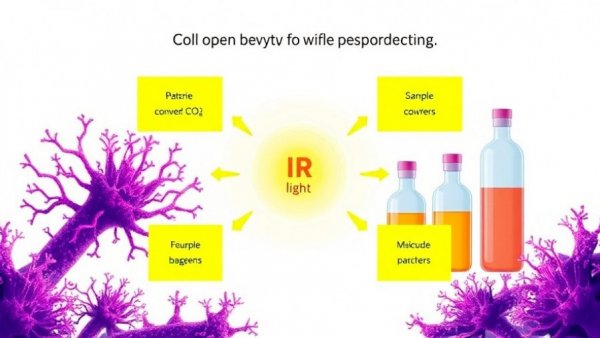
Update Turning Waste into Wellness: The Role of Purple BacteriaIn a remarkable intersection of biotechnology and sustainability, researchers at the University of Valladolid have discovered a groundbreaking method of transforming industrial waste into valuable health supplements. Purple phototrophic bacteria (PPB) are taking center stage in this innovation, turning carbon dioxide and other waste products into coenzyme Q10 (CoQ10) and carotenoids—nutrients that support cellular energy and overall health.The Promise of CoQ10 and CarotenoidsCoQ10 is a key player in energy production within our cells, making it a highly sought-after dietary supplement. Traditionally, its production has relied heavily on organic feedstocks like sugars, leading to a significant environmental footprint. Carotenoids, on the other hand, are pigments essential for human health and contribute to a vibrant diet. By harnessing PPB to produce these compounds while utilizing industrial waste, we can drastically reduce the agricultural resources typically required.How Purple Bacteria Work MagicThe magic lies in how these purple bacteria operate. Instead of relying on water and oxygen, PPB use light to convert harmful compounds like hydrogen sulfide and carbon dioxide into energy and cell material. By employing a process known as cyclic photophosphorylation, they generate ATP (energy currency of cells), making them uniquely equipped for high-density cultivation.Research Breakthroughs: Screens and CultivationsThe groundbreaking study, published in Environmental Science & Technology, involved genome screening of eight bacteria strains to identify those capable of thriving solely on CO₂ and hydrogen. Among these, a strain known as Rhodospirillum rubrum DSM 107 stood out, producing approximately 9.6 milligrams of CoQ10 per gram of dry cells, rivaling products of genetically modified organisms. This shift not only presents a sustainable alternative but also opens up new avenues for waste management and healthy living.Implications for Sustainable LivingAs we navigate challenges posed by climate change and resource depletion, the ability to convert waste into wellness could reshape our approaches to health and sustainability. Integrating biotechnology into our daily lives offers the chance to not only improve personal wellness but also contribute to ecological health. By adopting these innovations, individuals can support health choices that are simultaneously eco-friendly.Conclusion: A Step Toward a Sustainable FutureIn light of these developments, it becomes clear that the future of health may lie in unexpected places—like industrial waste. As awareness grows around sustainable practices, consider exploring naturally sourced supplements enriched through innovative processes like those demonstrated with purple bacteria.

AiTechDigest

Your premier destination for the latest AI breakthroughs, emerging technologies, and future innovations shaping the world.

COMPANY

  • Privacy Policy
  • Terms of Use
  • Advertise
  • Contact Us
  • Menu 5
  • Menu 6


ABOUT US

We strive to keep you informed and inspired with the most cutting-edge development in artificial intelligence, robotics, quantum computing and beyond. 

© 2026 AITechDigest.Net - Powered by Eden Streams All Rights Reserved. 1317 Edgewater Dr #2368, Orlando, FL 32804 . Contact Us . Terms of Service . Privacy Policy

eyJjb21wYW55IjoiQUlUZWNoRGlnZXN0Lk5ldCAtIFBvd2VyZWQgYnkgRWRlbiBTdHJlYW1zIiwiYWRkcmVzcyI6IjEzMTcgRWRnZXdhdGVyIERyICMyMzY4IiwiY2l0eSI6Ik9ybGFuZG8iLCJzdGF0ZSI6IkZMIiwiemlwIjoiMzI4MDQiLCJlbWFpbCI6InN1cHBvcnRAZWRlbnNtYWlsLmNvbSIsInRvcyI6IlBIQStQSE4wY205dVp6NDhaVzArVjJobGJpQjViM1VnYzJsbmJpMXBiaUIzYVhSb0lIVnpMQ0I1YjNVZ1lYSmxJR2RwZG1sdVp5WnVZbk53T3lCNWIzVnlJSEJsY20xcGMzTnBiMjRnWVc1a0lHTnZibk5sYm5RZ2RHOGdjMlZ1WkNCNWIzVWdaVzFoYVd3Z1lXNWtMMjl5SUZOTlV5QjBaWGgwSUcxbGMzTmhaMlZ6TGlCQ2VTQmphR1ZqYTJsdVp5QjBhR1VnVkdWeWJYTWdZVzVrSUVOdmJtUnBkR2x2Ym5NZ1ltOTRJR0Z1WkNCaWVTQnphV2R1YVc1bklHbHVJSGx2ZFNCaGRYUnZiV0YwYVdOaGJHeDVJR052Ym1acGNtMGdkR2hoZENCNWIzVWdZV05qWlhCMElHRnNiQ0IwWlhKdGN5QnBiaUIwYUdseklHRm5jbVZsYldWdWRDNDhMMlZ0UGp3dmMzUnliMjVuUGp3dmNENEtDanh3UGp4aElHaHlaV1k5SW1oMGRIQTZMeTkzZDNjdVoyOXZaMnhsTG1OdmJTSSthSFIwY0RvdkwzZDNkeTVuYjI5bmJHVXVZMjl0UEM5aFBqd3ZjRDRLQ2p4d1BpWnVZbk53T3p3dmNENEtDanh3UGp4emRISnZibWMrVTBWU1ZrbERSVHd2YzNSeWIyNW5Qand2Y0Q0S0NqeHdQbGRsSUhCeWIzWnBaR1VnWVNCelpYSjJhV05sSUhSb1lYUWdZM1Z5Y21WdWRHeDVJR0ZzYkc5M2N5QjViM1VnZEc4Z2NtVmpaV2wyWlNCeVpYRjFaWE4wY3lCbWIzSWdabVZsWkdKaFkyc3NJR052YlhCaGJua2dhVzVtYjNKdFlYUnBiMjRzSUhCeWIyMXZkR2x2Ym1Gc0lHbHVabTl5YldGMGFXOXVMQ0JqYjIxd1lXNTVJR0ZzWlhKMGN5d2dZMjkxY0c5dWN5d2daR2x6WTI5MWJuUnpJR0Z1WkNCdmRHaGxjaUJ1YjNScFptbGpZWFJwYjI1eklIUnZJSGx2ZFhJZ1pXMWhhV3dnWVdSa2NtVnpjeUJoYm1RdmIzSWdZMlZzYkhWc1lYSWdjR2h2Ym1VZ2IzSWdaR1YyYVdObExpQlpiM1VnZFc1a1pYSnpkR0Z1WkNCaGJtUWdZV2R5WldVZ2RHaGhkQ0IwYUdVZ1UyVnlkbWxqWlNCcGN5QndjbTkyYVdSbFpDQW1jWFZ2ZER0QlV5MUpVeVp4ZFc5ME95QmhibVFnZEdoaGRDQjNaU0JoYzNOMWJXVWdibThnY21WemNHOXVjMmxpYVd4cGRIa2dabTl5SUhSb1pTQjBhVzFsYkdsdVpYTnpMQ0JrWld4bGRHbHZiaXdnYldsekxXUmxiR2wyWlhKNUlHOXlJR1poYVd4MWNtVWdkRzhnYzNSdmNtVWdZVzU1SUhWelpYSWdZMjl0YlhWdWFXTmhkR2x2Ym5NZ2IzSWdjR1Z5YzI5dVlXeHBlbUYwYVc5dUlITmxkSFJwYm1kekxqd3ZjRDRLQ2p4d1BsbHZkU0JoY21VZ2NtVnpjRzl1YzJsaWJHVWdabTl5SUc5aWRHRnBibWx1WnlCaFkyTmxjM01nZEc4Z2RHaGxJRk5sY25acFkyVWdZVzVrSUhSb1lYUWdZV05qWlhOeklHMWhlU0JwYm5admJIWmxJSFJvYVhKa0lIQmhjblI1SUdabFpYTWdLSE4xWTJnZ1lYTWdVMDFUSUhSbGVIUWdiV1Z6YzJGblpYTXNJRWx1ZEdWeWJtVjBJSE5sY25acFkyVWdjSEp2ZG1sa1pYSWdiM0lnWTJWc2JIVnNZWElnWVdseWRHbHRaU0JqYUdGeVoyVnpLUzRnV1c5MUlHRnlaU0J5WlhOd2IyNXphV0pzWlNCbWIzSWdkR2h2YzJVZ1ptVmxjeXdnYVc1amJIVmthVzVuSUhSb2IzTmxJR1psWlhNZ1lYTnpiMk5wWVhSbFpDQjNhWFJvSUhSb1pTQmthWE53YkdGNUlHOXlJR1JsYkdsMlpYSjVJRzltSUdWaFkyZ2dVMDFUSUhSbGVIUWdiV1Z6YzJGblpTQnpaVzUwSUhSdklIbHZkU0JpZVNCMWN5NGdTVzRnWVdSa2FYUnBiMjRzSUhsdmRTQnRkWE4wSUhCeWIzWnBaR1VnWVc1a0lHRnlaU0J5WlhOd2IyNXphV0pzWlNCbWIzSWdZV3hzSUdWeGRXbHdiV1Z1ZENCdVpXTmxjM05oY25rZ2RHOGdZV05qWlhOeklIUm9aU0JUWlhKMmFXTmxJR0Z1WkNCeVpXTmxhWFpsSUhSb1pTQlRUVk1nZEdWNGRDQnRaWE56WVdkbGN5NGdWMlVnWkc4Z2JtOTBJR05vWVhKblpTQmhibmtnWm1WbGN5Qm1iM0lnWkdWc2FYWmxjbmtnYjJZZ1pXMWhhV3dnYjNJZ1UwMVRMaUJVYUdseklHbHpJR0VnWm5KbFpTQnpaWEoyYVdObElIQnliM1pwWkdWa0lHSjVJSFZ6TGlCSWIzZGxkbVZ5TENCd2JHVmhjMlVnWTJobFkyc2dkMmwwYUNCNWIzVnlJR2x1ZEdWeWJtVjBJSE5sY25acFkyVWdjSEp2ZG1sa1pYSWdZVzVrSUdObGJHeDFiR0Z5SUdOaGNuSnBaWElnWm05eUlHRnVlU0JqYUdGeVoyVnpJSFJvWVhRZ2JXRjVJR2x1WTNWeUlHRnpJR0VnY21WemRXeDBJR1p5YjIwZ2NtVmpaV2wyYVc1bklHVnRZV2xzSUdGdVpDQlRUVk1nZEdWNGRDQnRaWE56WVdkbGN5QjBhR0YwSUhkbElHUmxiR2wyWlhJZ2RYQnZiaUI1YjNWeUlHOXdkQzFwYmlCaGJtUWdjbVZuYVhOMGNtRjBhVzl1SUhkcGRHZ2diM1Z5SUdWdFlXbHNJR0Z1WkNCVFRWTWdjMlZ5ZG1salpYTXVJRmx2ZFNCallXNGdZMkZ1WTJWc0lHRjBJR0Z1ZVNCMGFXMWxMaUJLZFhOMElIUmxlSFFnSm5GMWIzUTdVMVJQVUNaeGRXOTBPeUIwYnladVluTndPenhvYVdkb2JHbG5hSFFnWTJ4aGMzTTlJbU52YlhCaGJubFRUVk5RYUc5dVpWVndaR0YwWlNJK1BDOW9hV2RvYkdsbmFIUStMaUJCWm5SbGNpQjViM1VnYzJWdVpDQjBhR1VnVTAxVElHMWxjM05oWjJVZ0puRjFiM1E3VTFSUFVDWnhkVzkwT3lCMGJ5QjFjeXdnZDJVZ2QybHNiQ0J6Wlc1a0lIbHZkU0JoYmlCVFRWTWdiV1Z6YzJGblpTQjBieUJqYjI1bWFYSnRJSFJvWVhRZ2VXOTFJR2hoZG1VZ1ltVmxiaUIxYm5OMVluTmpjbWxpWldRdUlFRm1kR1Z5SUhSb2FYTXNJSGx2ZFNCM2FXeHNJRzV2SUd4dmJtZGxjaUJ5WldObGFYWmxJRk5OVXlCdFpYTnpZV2RsY3lCbWNtOXRJSFZ6TGp3dmNENEtDanh3UGp4emRISnZibWMrV1U5VlVpQlNSVWRKVTFSU1FWUkpUMDRnVDBKTVNVZEJWRWxQVGxNOEwzTjBjbTl1Wno0OEwzQStDZ284Y0Q1SmJpQmpiMjV6YVdSbGNtRjBhVzl1SUc5bUlIbHZkWElnZFhObElHOW1JSFJvWlNCVFpYSjJhV05sTENCNWIzVWdZV2R5WldVZ2RHODZQQzl3UGdvS1BHOXNQZ29KUEd4cFBuQnliM1pwWkdVZ2RISjFaU3dnWVdOamRYSmhkR1VzSUdOMWNuSmxiblFnWVc1a0lHTnZiWEJzWlhSbElHbHVabTl5YldGMGFXOXVJR0ZpYjNWMElIbHZkWEp6Wld4bUlHRnpJSEJ5YjIxd2RHVmtJR0o1SUhSb1pTQlRaWEoyYVdObEppTXpPVHR6SUhKbFoybHpkSEpoZEdsdmJpQm1iM0p0SUNoemRXTm9JR2x1Wm05eWJXRjBhVzl1SUdKbGFXNW5JSFJvWlNBbWNYVnZkRHRTWldkcGMzUnlZWFJwYjI0Z1JHRjBZU1p4ZFc5ME95a2dZVzVrUEM5c2FUNEtDVHhzYVQ1dFlXbHVkR0ZwYmlCaGJtUWdjSEp2YlhCMGJIa2dkWEJrWVhSbElIUm9aU0JTWldkcGMzUnlZWFJwYjI0Z1JHRjBZU0IwYnlCclpXVndJR2wwSUhSeWRXVXNJR0ZqWTNWeVlYUmxMQ0JqZFhKeVpXNTBJR0Z1WkNCamIyMXdiR1YwWlM0Z1NXWWdlVzkxSUhCeWIzWnBaR1VnWVc1NUlHbHVabTl5YldGMGFXOXVJSFJvWVhRZ2FYTWdkVzUwY25WbExDQnBibUZqWTNWeVlYUmxMQ0J1YjNRZ1kzVnljbVZ1ZENCdmNpQnBibU52YlhCc1pYUmxMQ0J2Y2lCM1pTQm9ZWFpsSUhKbFlYTnZibUZpYkdVZ1ozSnZkVzVrY3lCMGJ5QnpkWE53WldOMElIUm9ZWFFnYzNWamFDQnBibVp2Y20xaGRHbHZiaUJwY3lCMWJuUnlkV1VzSUdsdVlXTmpkWEpoZEdVc0lHNXZkQ0JqZFhKeVpXNTBJRzl5SUdsdVkyOXRjR3hsZEdVc0lIZGxJR2hoZG1VZ2RHaGxJSEpwWjJoMElIUnZJSE4xYzNCbGJtUWdiM0lnUEhOMGNtOXVaejUwWlhKdGFXNWhkR1VnZVc5MWNpQmhZMk52ZFc1MEwzQnliMlpwYkdVZ1lXNWtJSEpsWm5WelpTQmhibmtnWVc1a0lHRnNiQ0JqZFhKeVpXNTBJRzl5SUdaMWRIVnlaU0IxYzJVZ2IyWWdkR2hsSUZObGNuWnBZMlVnS0c5eUlHRnVlU0J3YjNKMGFXOXVJSFJvWlhKbGIyWXBMand2YzNSeWIyNW5Qand2YkdrK0Nqd3ZiMncrQ2dvOGNENG1ibUp6Y0RzOEwzQStDanhvYVdkb2JHbG5hSFFnWTJ4aGMzTTlJbU52YlhCaGJubE9ZVzFsVlhCa1lYUmxJajVCU1NCVVpXTm9JRVJwWjJWemREd3ZhR2xuYUd4cFoyaDBQanhpY2lBdlBnbzhhR2xuYUd4cFoyaDBJR05zWVhOelBTSmpiMjF3WVc1NVFXUmtjbVZ6YzFWd1pHRjBaU0krUEM5b2FXZG9iR2xuYUhRK1BHSnlJQzgrQ2p4b2FXZG9iR2xuYUhRZ1kyeGhjM005SW1OdmJYQmhibmxRYUc5dVpWVndaR0YwWlNJK0t6QXJNVE15TVRJMU1qQXpOVGc4TDJocFoyaHNhV2RvZEQ0OFluSWdMejRLUEdocFoyaHNhV2RvZENCamJHRnpjejBpWTI5dGNHRnVlVVZ0WVdsc1ZYQmtZWFJsSWo1aFozTm9ZWGRBWldSbGJuTjBjbVZoYlhNdVkyOXRQQzlvYVdkb2JHbG5hSFErIiwicHJpdmFjeSI6IlBIQStQSE4wY205dVp6NVFVa2xXUVVOWlBDOXpkSEp2Ym1jK1BDOXdQZ29LUEhBK1BITjBjbTl1Wno1VWFHVWdhVzVtYjNKdFlYUnBiMjRnY0hKdmRtbGtaV1FnWkhWeWFXNW5JSFJvYVhNZ2NtVm5hWE4wY21GMGFXOXVJR2x6SUd0bGNIUWdjSEpwZG1GMFpTQmhibVFnWTI5dVptbGtaVzUwYVdGc0xDQmhibVFnZDJsc2JDQnVaWFpsY2lCaVpTQmthWE4wY21saWRYUmxaQ3dnWTI5d2FXVmtMQ0J6YjJ4a0xDQjBjbUZrWldRZ2IzSWdjRzl6ZEdWa0lHbHVJR0Z1ZVNCM1lYa3NJSE5vWVhCbElHOXlJR1p2Y20wdUlGUm9hWE1nYVhNZ2IzVnlJR2QxWVhKaGJuUmxaUzQ4TDNOMGNtOXVaejQ4TDNBK0NnbzhjRDQ4YzNSeWIyNW5Qa2xPUkVWTlRrbFVXVHd2YzNSeWIyNW5Qand2Y0Q0S0NqeHdQanhsYlQ1WmIzVWdZV2R5WldVZ2RHOGdhVzVrWlcxdWFXWjVJR0Z1WkNCb2IyeGtJSFZ6TENCaGJtUWdhWFJ6SUhOMVluTnBaR2xoY21sbGN5d2dZV1ptYVd4cFlYUmxjeXdnYjJabWFXTmxjbk1zSUdGblpXNTBjeXdnWTI4dFluSmhibVJsY25NZ2IzSWdiM1JvWlhJZ2NHRnlkRzVsY25Nc0lHRnVaQ0JsYlhCc2IzbGxaWE1zSUdoaGNtMXNaWE56SUdaeWIyMGdZVzU1SUdOc1lXbHRJRzl5SUdSbGJXRnVaQ3dnYVc1amJIVmthVzVuSUhKbFlYTnZibUZpYkdVZ1lYUjBiM0p1WlhsekppTXpPVHNnWm1WbGN5d2diV0ZrWlNCaWVTQmhibmtnZEdocGNtUWdjR0Z5ZEhrZ1pIVmxJSFJ2SUc5eUlHRnlhWE5wYm1jZ2IzVjBJRzltSUVOdmJuUmxiblFnZVc5MUlISmxZMlZwZG1Vc0lITjFZbTFwZEN3Z2NtVndiSGtzSUhCdmMzUXNJSFJ5WVc1emJXbDBJRzl5SUcxaGEyVWdZWFpoYVd4aFlteGxJSFJvY205MVoyZ2dkR2hsSUZObGNuWnBZMlVzSUhsdmRYSWdkWE5sSUc5bUlIUm9aU0JUWlhKMmFXTmxMQ0I1YjNWeUlHTnZibTVsWTNScGIyNGdkRzhnZEdobElGTmxjblpwWTJVc0lIbHZkWElnZG1sdmJHRjBhVzl1SUc5bUlIUm9aU0JVVDFNc0lHOXlJSGx2ZFhJZ2RtbHZiR0YwYVc5dUlHOW1JR0Z1ZVNCeWFXZG9kSE1nYjJZZ1lXNXZkR2hsY2k0OEwyVnRQand2Y0Q0S0NqeHdQanh6ZEhKdmJtYytSRWxUUTB4QlNVMUZVaUJQUmlCWFFWSlNRVTVVU1VWVFBDOXpkSEp2Ym1jK1BDOXdQZ29LUEhBK1BITjBjbTl1Wno1WlQxVWdSVmhRVWtWVFUweFpJRlZPUkVWU1UxUkJUa1FnUVU1RUlFRkhVa1ZGSUZSSVFWUTZQQzl6ZEhKdmJtYytQQzl3UGdvS1BHOXNQZ29KUEd4cFBsbFBWVklnVlZORklFOUdJRlJJUlNCVFJWSldTVU5GSUVsVElFRlVJRmxQVlZJZ1UwOU1SU0JTU1ZOTExpQlVTRVVnVTBWU1ZrbERSU0JKVXlCUVVrOVdTVVJGUkNCUFRpQkJUaUFtY1hWdmREdEJVeUJKVXlaeGRXOTBPeUJCVGtRZ0puRjFiM1E3UVZNZ1FWWkJTVXhCUWt4RkpuRjFiM1E3SUVKQlUwbFRMaUFzTGlCQlRrUWdWVk1zSUVsVUppTXpPVHRUSUVOVlUxUlBUVVZTVXl3Z1JWaFFVa1ZUVTB4WklFUkpVME5NUVVsTlV5QkJURXdnVjBGU1VrRk9WRWxGVXlCUFJpQkJUbGtnUzBsT1JDd2dWMGhGVkVoRlVpQkZXRkJTUlZOVElFOVNJRWxOVUV4SlJVUXNJRWxPUTB4VlJFbE9SeXdnUWxWVUlFNVBWQ0JNU1UxSlZFVkVJRlJQSUZSSVJTQkpUVkJNU1VWRUlGZEJVbEpCVGxSSlJWTWdUMFlnVFVWU1EwaEJUbFJCUWtsTVNWUlpMQ0JHU1ZST1JWTlRJRVpQVWlCQklGQkJVbFJKUTFWTVFWSWdVRlZTVUU5VFJTQkJUa1FnVGs5T0xVbE9SbEpKVGtkRlRVVk9WQzQ4TDJ4cFBnb0pQR3hwUGsxQlMwVlRJRTVQSUZkQlVsSkJUbFJaSUZSSVFWUWdLR2twSUZSSVJTQlRSVkpXU1VORklGZEpURXdnVFVWRlZDQlpUMVZTSUZKRlVWVkpVa1ZOUlU1VVV5d2dLR2xwS1NCVVNFVWdVMFZTVmtsRFJTQlhTVXhNSUVKRklGVk9TVTVVUlZKU1ZWQlVSVVFzSUZSSlRVVk1XU3dnVTBWRFZWSkZMQ0JQVWlCRlVsSlBVaTFHVWtWRkxDQW9hV2xwS1NCVVNFVWdVa1ZUVlV4VVV5QlVTRUZVSUUxQldTQkNSU0JQUWxSQlNVNUZSQ0JHVWs5TklGUklSU0JWVTBVZ1QwWWdWRWhGSUZORlVsWkpRMFVnVjBsTVRDQkNSU0JCUTBOVlVrRlVSU0JQVWlCU1JVeEpRVUpNUlN3Z1FVNUVJQ2hwZGlrZ1FVNVpJRVZTVWs5U1V5QkpUaUJVU0VVZ1UwOUdWRmRCVWtVZ1YwbE1UQ0JDUlNCRFQxSlNSVU5VUlVRdVBDOXNhVDRLQ1R4c2FUNUJUbGtnVFVGVVJWSkpRVXdnUkU5WFRreFBRVVJGUkNCUFVpQlBWRWhGVWxkSlUwVWdUMEpVUVVsT1JVUWdWRWhTVDFWSFNDQlVTRVVnVlZORklFOUdJRlJJUlNCVFJWSldTVU5GSUVsVElFUlBUa1VnUVZRZ1dVOVZVaUJQVjA0Z1JFbFRRMUpGVkVsUFRpQkJUa1FnVWtsVFN5QkJUa1FnVkVoQlZDQlpUMVVnVjBsTVRDQkNSU0JUVDB4RlRGa2dVa1ZUVUU5T1UwbENURVVnUms5U0lFRk9XU0JFUVUxQlIwVWdWRThnV1U5VlVpQkRUMDFRVlZSRlVpQlRXVk5VUlUwZ1QxSWdURTlUVXlCUFJpQkVRVlJCSUZSSVFWUWdVa1ZUVlV4VVV5QkdVazlOSUZSSVJTQkVUMWRPVEU5QlJDQlBSaUJCVGxrZ1UxVkRTQ0JOUVZSRlVrbEJUQzQ4TDJ4cFBnb0pQR3hwUGs1UElFRkVWa2xEUlNCUFVpQkpUa1pQVWsxQlZFbFBUaXdnVjBoRlZFaEZVaUJQVWtGTUlFOVNJRmRTU1ZSVVJVNHNJRTlDVkVGSlRrVkVJRUpaSUZsUFZTQkdVazlOSUU5U0lGUklVazlWUjBnZ1QxSWdSbEpQVFNCVVNFVWdVMFZTVmtsRFJTQlRTRUZNVENCRFVrVkJWRVVnUVU1WklGZEJVbEpCVGxSWklFNVBWQ0JGV0ZCU1JWTlRURmtnVTFSQlZFVkVJRWxPSUZSSVJTQlVUMU11UEM5c2FUNEtQQzl2YkQ0S0NqeHdQanh6ZEhKdmJtYytURWxOU1ZSQlZFbFBUaUJQUmlCTVNVRkNTVXhKVkZrOEwzTjBjbTl1Wno0OEwzQStDZ284Y0Q1WlQxVWdSVmhRVWtWVFUweFpJRlZPUkVWU1UxUkJUa1FnUVU1RUlFRkhVa1ZGSUZSSVFWUWdRVTVFSUZOSVFVeE1JRTVQVkNCQ1JTQk1TVUZDVEVVZ1JrOVNJRUZPV1NCRVNWSkZRMVFzSUVsT1JFbFNSVU5VTENCSlRrTkpSRVZPVkVGTUxDQlRVRVZEU1VGTUxDQkRUMDVUUlZGVlJVNVVTVUZNSUU5U0lFVllSVTFRVEVGU1dTQkVRVTFCUjBWVExDQkpUa05NVlVSSlRrY2dRbFZVSUU1UFZDQk1TVTFKVkVWRUlGUlBMQ0JFUVUxQlIwVlRJRVpQVWlCTVQxTlRJRTlHSUZCU1QwWkpWRk1zSUVkUFQwUlhTVXhNTENCVlUwVXNJRVJCVkVFZ1QxSWdUMVJJUlZJZ1NVNVVRVTVIU1VKTVJTQk1UMU5UUlZNZ0tFVldSVTRnU1VZZ1NFRlRJRUpGUlU0Z1FVUldTVk5GUkNCUFJpQlVTRVVnVUU5VFUwbENTVXhKVkZrZ1QwWWdVMVZEU0NCRVFVMUJSMFZUS1N3Z1VrVlRWVXhVU1U1SElFWlNUMDA2UEM5d1Bnb0tQRzlzUGdvSlBHeHBQbFJJUlNCVlUwVWdUMUlnVkVoRklFbE9RVUpKVEVsVVdTQlVUeUJWVTBVZ1ZFaEZJRk5GVWxaSlEwVTdQQzlzYVQ0S0NUeHNhVDVVU0VVZ1EwOVRWQ0JQUmlCUVVrOURWVkpGVFVWT1ZDQlBSaUJUVlVKVFZFbFVWVlJGSUVkUFQwUlRJRUZPUkNCVFJWSldTVU5GVXlCU1JWTlZURlJKVGtjZ1JsSlBUU0JCVGxrZ1IwOVBSRk1zSUVSQlZFRXNJRWxPUms5U1RVRlVTVTlPSUU5U0lGTkZVbFpKUTBWVElGQlZVa05JUVZORlJDQlBVaUJQUWxSQlNVNUZSQ0JQVWlCTlJWTlRRVWRGVXlCU1JVTkZTVlpGUkNCUFVpQlVVa0ZPVTBGRFZFbFBUbE1nUlU1VVJWSkZSQ0JKVGxSUElGUklVazlWUjBnZ1QxSWdSbEpQVFNCVVNFVWdVMFZTVmtsRFJUczhMMnhwUGdvSlBHeHBQbFZPUVZWVVNFOVNTVnBGUkNCQlEwTkZVMU1nVkU4Z1QxSWdRVXhVUlZKQlZFbFBUaUJQUmlCWlQxVlNJRlJTUVU1VFRVbFRVMGxQVGxNZ1QxSWdSRUZVUVRzOEwyeHBQZ29KUEd4cFBsTlVRVlJGVFVWT1ZGTWdUMUlnUTA5T1JGVkRWQ0JQUmlCQlRsa2dWRWhKVWtRZ1VFRlNWRmtnVDA0Z1ZFaEZJRk5GVWxaSlEwVTdJRTlTUEM5c2FUNEtDVHhzYVQ1QlRsa2dUMVJJUlZJZ1RVRlVWRVZTSUZKRlRFRlVTVTVISUZSUElGUklSU0JUUlZKV1NVTkZMand2YkdrK0Nqd3ZiMncrQ2dvOGNENDhkVDVDZVNCeVpXZHBjM1JsY21sdVp5QmhibVFnYzNWaWMyTnlhV0pwYm1jZ2RHOGdiM1Z5SUdWdFlXbHNJR0Z1WkNCVFRWTWdjMlZ5ZG1salpTd2dZbmtnYjNCMExXbHVMQ0J2Ym14cGJtVWdjbVZuYVhOMGNtRjBhVzl1SUc5eUlHSjVJR1pwYkd4cGJtY2diM1YwSUdFZ1kyRnlaQ3dnSm5GMWIzUTdlVzkxSUdGbmNtVmxJSFJ2SUhSb1pYTmxJRlJGVWsxVElFOUdJRk5GVWxaSlEwVW1jWFZ2ZERzZ1lXNWtJSGx2ZFNCaFkydHViM2RzWldSblpTQmhibVFnZFc1a1pYSnpkR0Z1WkNCMGFHVWdZV0p2ZG1VZ2RHVnliWE1nYjJZZ2MyVnlkbWxqWlNCdmRYUnNhVzVsWkNCaGJtUWdaR1YwWVdsc1pXUWdabTl5SUhsdmRTQjBiMlJoZVM0OEwzVStQQzl3UGdvS1BIQStKbTVpYzNBN1BDOXdQZ284YUdsbmFHeHBaMmgwSUdOc1lYTnpQU0pqYjIxd1lXNTVUbUZ0WlZWd1pHRjBaU0krUVVrZ1ZHVmphQ0JFYVdkbGMzUThMMmhwWjJoc2FXZG9kRDQ4WW5JZ0x6NEtQR2hwWjJoc2FXZG9kQ0JqYkdGemN6MGlZMjl0Y0dGdWVVRmtaSEpsYzNOVmNHUmhkR1VpUGp3dmFHbG5hR3hwWjJoMFBqeGljaUF2UGdvOGFHbG5hR3hwWjJoMElHTnNZWE56UFNKamIyMXdZVzU1VUdodmJtVlZjR1JoZEdVaVBpc3dLekV6TWpFeU5USXdNelU0UEM5b2FXZG9iR2xuYUhRK1BHSnlJQzgrQ2p4b2FXZG9iR2xuYUhRZ1kyeGhjM005SW1OdmJYQmhibmxGYldGcGJGVndaR0YwWlNJK1lXZHphR0YzUUdWa1pXNXpkSEpsWVcxekxtTnZiVHd2YUdsbmFHeHBaMmgwUGc9PSJ9

Terms of Service

Privacy Policy

Core Modal Title

Sorry, no results found

You Might Find These Articles Interesting

T
Please Check Your Email
We Will Be Following Up Shortly
*
*
*