
Turning Waste into Wellness: The Role of Purple Bacteria
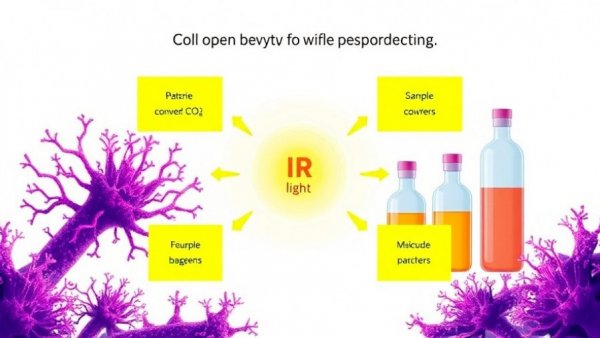
In a remarkable intersection of biotechnology and sustainability, researchers at the University of Valladolid have discovered a groundbreaking method of transforming industrial waste into valuable health supplements. Purple phototrophic bacteria (PPB) are taking center stage in this innovation, turning carbon dioxide and other waste products into coenzyme Q10 (CoQ10) and carotenoids—nutrients that support cellular energy and overall health.
The Promise of CoQ10 and Carotenoids
CoQ10 is a key player in energy production within our cells, making it a highly sought-after dietary supplement. Traditionally, its production has relied heavily on organic feedstocks like sugars, leading to a significant environmental footprint. Carotenoids, on the other hand, are pigments essential for human health and contribute to a vibrant diet. By harnessing PPB to produce these compounds while utilizing industrial waste, we can drastically reduce the agricultural resources typically required.
How Purple Bacteria Work Magic
The magic lies in how these purple bacteria operate. Instead of relying on water and oxygen, PPB use light to convert harmful compounds like hydrogen sulfide and carbon dioxide into energy and cell material. By employing a process known as cyclic photophosphorylation, they generate ATP (energy currency of cells), making them uniquely equipped for high-density cultivation.
Research Breakthroughs: Screens and Cultivations
The groundbreaking study, published in Environmental Science & Technology, involved genome screening of eight bacteria strains to identify those capable of thriving solely on CO₂ and hydrogen. Among these, a strain known as Rhodospirillum rubrum DSM 107 stood out, producing approximately 9.6 milligrams of CoQ10 per gram of dry cells, rivaling products of genetically modified organisms. This shift not only presents a sustainable alternative but also opens up new avenues for waste management and healthy living.
Implications for Sustainable Living
As we navigate challenges posed by climate change and resource depletion, the ability to convert waste into wellness could reshape our approaches to health and sustainability. Integrating biotechnology into our daily lives offers the chance to not only improve personal wellness but also contribute to ecological health. By adopting these innovations, individuals can support health choices that are simultaneously eco-friendly.
Conclusion: A Step Toward a Sustainable Future
In light of these developments, it becomes clear that the future of health may lie in unexpected places—like industrial waste. As awareness grows around sustainable practices, consider exploring naturally sourced supplements enriched through innovative processes like those demonstrated with purple bacteria.





Write A Comment