
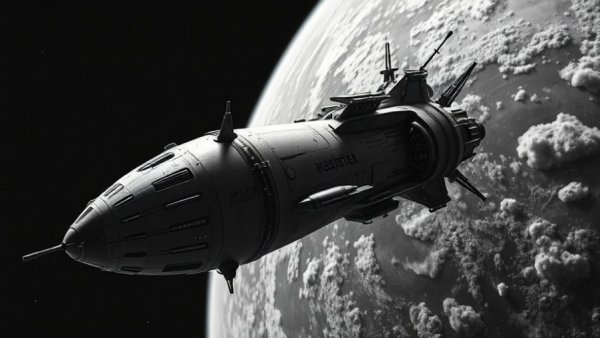
An Enduring Mystery of the Space Age
The story of the 'lost cosmonauts' is one of the most perplexing legends of early human spaceflight, raised by two amateur radio enthusiasts who stumbled upon mysterious signals in the late 1960s. Achille and Gian Battista Judica-Cordiglia became pioneers in space communication from their homemade listening station in Turin, Italy, detecting what they believed to be SOS transmissions from unidentified spacecraft. These spectral signals suggested that earlier Soviet missions may have ended in disaster, burying the fates of heroic cosmonauts in secrecy.
The First Signals of Distress
In late November 1960, the brothers intercepted a transmission that deviated from their usual recordings: a Morse code SOS. As they listened, the signal began to weaken, leading them to wonder if it belonged to a spacecraft that had drifted away from Earth, potentially carrying a cosmonaut. Such a revelation hinted at secret Soviet missions that may have cost lives without any acknowledgment, casting a shadow over the glowing achievements of the space race.
Building a Tracking Station from Scratch
The brothers’ intriguing hobby turned serious quickly, as their impromptu radio station, nicknamed Torre Bert, evolved into a sophisticated facility capable of picking up signals from orbiting satellites. Their successful interceptions included communications from Sputnik 2, which famously carried the first living creature, Laika the dog. But the allure of uncovering lost missions became the true focus, especially after reports hinted at unidentified satellites in orbit, inciting a quest for the truth within the secrecy of the Soviet space program.
The Haunting Sounds from Space
As their pursuit continued, the Judica-Cordiglia brothers recorded what they claimed were eerie sounds of labored breathing and a rapid heartbeat — auditory evidence of cosmonauts' struggles during clandestine flights. Experts analyzed these recordings, with some acknowledging that while the brothers' technical skills were commendable, the validity of their sensational claims remained highly contestable, especially when considered against the reticent backdrop of the Soviet space program.
A Web of Suspicion and Intrigue
The brothers not only uncovered audio anomalies but also found themselves entwined in political intrigue. They alleged encounters with individuals claiming to be KGB agents who warned against their investigations. This web of espionage added another layer of complexity to the story of the lost cosmonauts, but verification of these encounters remains elusive.
Questions That Persist
The lack of standardized records and transparency within the Soviet Union's space endeavors amplifies the mystery surrounding these transmissions. While the possibility of lost cosmonauts raises haunting questions, many experts like spaceflight researcher Sven Grahn argue that sensationalism may have clouded the brothers' achievements. The allure of mystery versus factual evidence continues to draw intrigue as historians light a path through shadows cast by Cold War secrecy.





Write A Comment