
The Dream of De-Extinction: A Reality Check
The idea of bringing long-gone species back to life has captivated the imagination of scientists and the public alike. With advancements in biotechnology—such as DNA sequencing and genetic engineering—some believe that we could once again see woolly mammoths and saber-toothed cats roaming the Earth. However, a recent opinion piece by Andrew Davinack and Charlotte K. Daniels from Wheaton College presents a sobering perspective on these ambitious projects.
Understanding De-Extinction Attempts
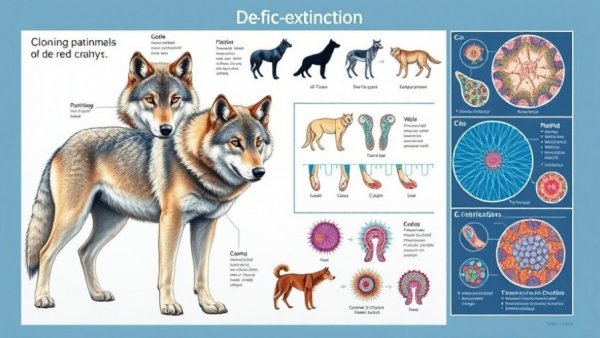
De-extinction is often touted as a cutting-edge miracle of modern science, but Davinack and Daniels challenge the assumption that it can truly reverse extinction. For instance, biotechnology company Colossal Biosciences claimed to resurrect the dire wolf using genetically modified living gray wolves. However, the resulting creatures are genetically engineered versions of their ancestors, lacking the rich evolutionary history and genetic diversity of original dire wolves.
What Makes a Species Unique?
During the discussions on de-extinction, it’s crucial to grasp what constitutes a species. As the researchers pointed out, while it’s possible to recreate certain physical traits of an extinct animal, doing so does not equate to recreating its evolutionary lineage. Genetics is complex; characteristics like size or fur patterns do not encompass the entire biological and ecological dynamic that shaped these animals over millennia.
The Ecological Context: More Than Just Genes
Another critical factor Davinack and Daniels highlight is the environment in which these species lived. Successfully bringing back an extinct species would require not only the correct genetic configuration but also a return to their original habitats—a task that is as daunting as it is improbable. The interconnected web of ecosystems, including the relationships with surviving species, is a vital aspect of an animal's identity.
Potential Benefits of Biotechnology
Rather than channeling resources towards bringing back extinct species, the researchers suggest that biotechnology holds the promise of protecting current endangered species. Approaches that help restore genetic diversity could revolutionize conservation efforts, offering existing species a better chance at survival and resilience in the face of ongoing environmental change.
A New Perspective on Biotechnology
The conversation around de-extinction provides valuable insights into the possibilities and limitations of biotechnology. Instead of focusing exclusively on resurrecting the past, scientists might consider how these technologies could enhance conservation strategies today. The potential of gene editing and cloning, when aimed at supporting ecologically at-risk species, could lead to a more sustainable approach to biodiversity.
As we ponder the philosophical questions of resurrection in biology, it’s important to remember that the natural world evolves continuously. Rather than seeking to play God by reviving extinct species, perhaps the wiser choice is to foster and protect the diversity that still exists around us.




Write A Comment