
The Changing Dynamics of Political Alliances
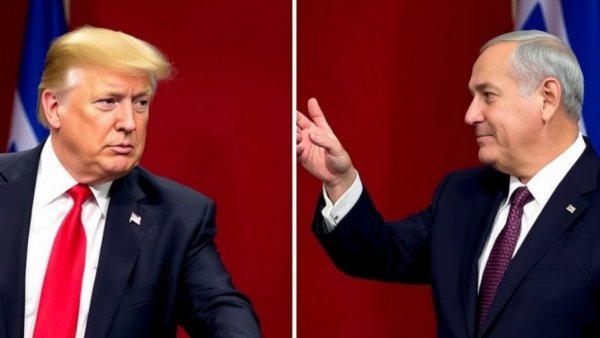
The political landscape for leaders like Trump and Netanyahu is constantly evolving. Once seen as allies working towards a common front, their partnership faced increasing scrutiny as their hard-line policies, particularly concerning Iran, began to alienate significant portions of their voter base. This has led to a reevaluation of what once seemed a mutually beneficial relationship.
Voter Alienation and Its Consequences
Trump and Netanyahu's unwavering approach combined hardline policies that prioritized conflict over dialogue, which has become a double-edged sword. As images of political rallies and polls show a declining number of supporters, it’s clear this strategy may have backfired. Voters often seek leaders who foster stability and dialogue, rather than tension.
Lessons in Diplomacy and Leadership
Historical evidence suggests that foreign alliances shape domestic politics. The fallout from Trump and Netanyahu's aggressive stance could serve as a warning for other leaders. Those eyeing the diplomatic avenues to strengthen their political standing would do well to heed these lessons and consider how their approaches could resonate—or clash—with public sentiment.
Future Implications for Global Politics
The future of international relations is unpredictable, but the perception of leadership style is paramount. As these two leaders grapple with the repercussions of their strategies, a shift toward more collaborative approaches in global politics may emerge in response to voter desires for stability and peace.
In summary, the evolving political dynamics between Trump and Netanyahu emphasize the crucial need for leaders to adapt and respond to the expectations of their constituents. Moving away from hardline policies may indeed pave the way for stronger political alliances and enduring support.




Write A Comment