
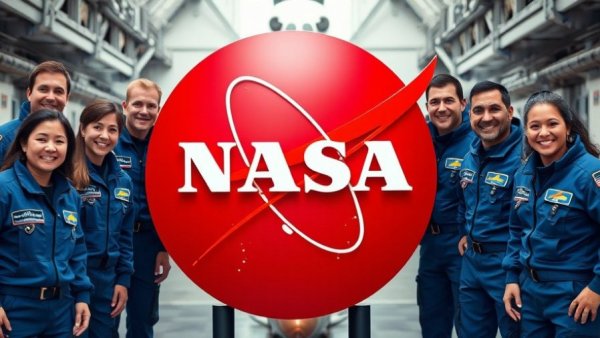
NASA Seeks Future Astronauts to Pioneer the Next Lunar Frontier
Want to fly to the moon and help build a permanent lunar base? NASA is calling for new astronaut candidates as it expands its Artemis program, aiming to establish a sustainable human presence on the lunar surface. This is an advancement in human exploration made possible by robust partnerships in aerospace technology and innovations across various fields.
Why Now is the Right Time to Apply
Nasa last sought new astronauts two years ago, attracting over 8,000 applicants, with just 10 selected. As of now, with only 32 active astronauts remaining, the space agency is experiencing a pressing need for new recruits. The urgency highlighted by Randy Bresnik, Artemis III commander, shows that as we penetrate deeper into space, human capital is crucial. He stated, "We have far more work than we have astronauts," indicating a real opportunity for skilled individuals to join this historic mission.
The Training Journey: More Than Just Space Flights
Aspiring astronauts have until December 3 to apply, with selections expected by late 2027. Candidates aren't just going to the moon; they'll contribute significantly to a broader mission, which includes critical roles in developing technology, logistics, and even lunar infrastructure. Frank Rubio, who holds the U.S. record for consecutive days in space, emphasizes that moon missions will represent only about 1% of an astronaut's experience. The training is demanding, requiring U.S. citizenship and advanced degrees, but the reward of participating in something groundbreaking is unparalleled.
Future Predictions: Will Moon Bases Be the New Reality?
The Artemis program is anticipated to evolve dramatically over the coming years. The upcoming Artemis II mission will rehearse docking procedures with lunar landers built by SpaceX and Blue Origin. Following that, Artemis IV will represent a crucial step toward landing astronauts near the lunar south pole. This venture not only aims for lunar colonization but also extends the invitation to private enterprises playing a vital role in space development. As lunar robots, rovers, and structures take form, a permanent base on the moon may transition from aspiration to reality.
How to Turn the Dream of Space Into Reality
For those considering applying to NASA, preparation is key. Candidates should focus on gaining relevant education and experience in fields such as engineering, science, or technology. Additionally, cultivating physical fitness and resilience will set the groundwork for what is to come. With training slated to begin in early 2028, recruiting the next wave of astronauts isn't merely about filling slots—it's about shaping the future of human exploration in space.





Write A Comment