
Global Tensions Continue to Rise Without Solutions
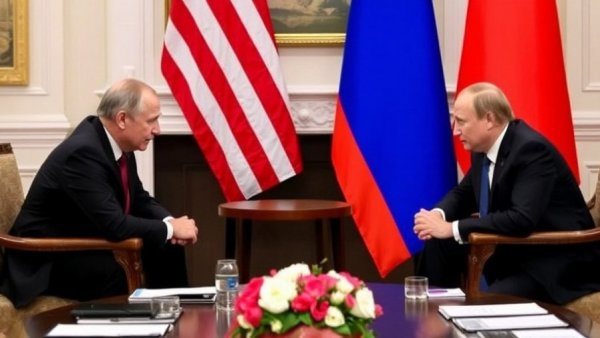
The recent U.S.-led talks held in Abu Dhabi proved unsuccessful in fostering any meaningful dialogue aimed at resolving the ongoing Russia-Ukraine conflict. Despite the global anticipation for a potential breakthrough, officials from both sides reiterated long-held stances that appear to have solidified over time. Russia’s insistence on reclaiming Ukrainian territories remains a significant barrier, with discussions of an immediate ceasefire dismissed outright by Moscow.
The Stakes Behind Diplomatic Negotiations
The implications of these engagements extend beyond just territorial claims. The conflict’s persistence has wide-reaching impacts on international defence strategies and regional stability. Military analysts suggest that continued standoffs may push the involved nations and their allies to bolster their military capacities. The defence sector is poised for significant transformations, as economic resources are reallocated to support military efforts. Manufacturers of aerospace technologies could see increased demand as actors bolster their defence capabilities against perceived threats.
Future Predictions: The Road Ahead
As stakeholders observe the geopolitical landscape, experts warn that the absence of negotiations could escalate tensions further. Prolonged strife will potentially drive more nations to reassess their diplomatic ties and military preparedness. A crucial question remains: how far will nations go to protect their interests in such a turbulent environment? With the future of international relations at stake, countries may need to explore innovative defence technologies or reconsider their military strategies in response to emerging threats.
Understanding Broader Impact: A Call for Creativity in Diplomacy
The failure of these talks could be a wake-up call for international dialogue. As previous negotiations reveal, simply discussing positions is not enough; stakeholders must be willing to embrace creative solutions that transcend the existing limitations of traditional diplomacy. This could involve involving non-state actors, utilizing technology to mediate discussions, or integrating below-the-surface issues like economic cooperation in energy sectors.
In sum, while the latest round of negotiations did not yield any breakthroughs, they underscore the need for proactive strategies and open-minded approaches to tackling intricate international conflicts. The world watches closely as nations navigate these turbulent waters.




Write A Comment