
Unveiling SpaceX's Mysterious Mission for the U.S. Space Force
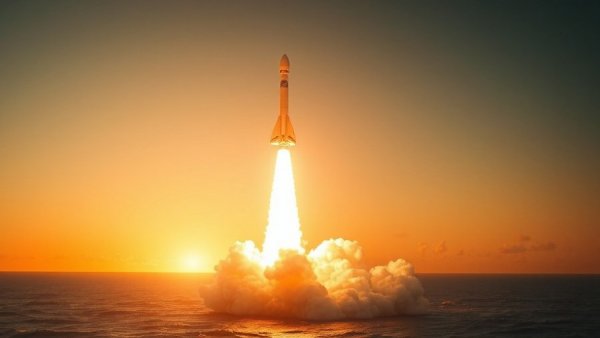
On a stunning November evening, SpaceX's Falcon 9 rocket lifted off from California's Vandenberg Space Force Base, carrying an undisclosed payload for the U.S. Space Force. As the sun dipped towards the Pacific Ocean, the launch commenced at 7:48 p.m. EST with spectacular hues lighting up the sky. The mission, designated USSF-432, has largely remained shrouded in secrecy, leading to various speculations about what the rocket might be carrying.
Official details about USSF-432 have been sparse—SpaceX cut off its live webcast shortly after the rocket's first stage returned successfully to its droneship, "Of Course I Still Love You." Observers and analysts speculate that the Falcon 9 is potentially delivering classified low Earth orbit (LEO) satellites aimed at enhancing U.S. military capabilities.
Classified Payloads: Understanding the Speculations
While there is no official confirmation about the exact nature of the payload, speculation suggests it may involve a batch of satellites for the Space Based Sensing and Targeting (SBST) program—an initiative intended to bolster national security. These satellites might share a design similar to SpaceX’s Starlink, a network of over 11,000 satellites offering broadband services globally. However, Starshield, the military counterpart of Starlink, is designed specifically to support the U.S. military and its allies.
NextSpaceflight.com hinted at the alignment of the rocket’s drop zones, suggesting a connection to past Starlink launches, thereby piquing interest around the potential for enhanced military operations through satellite technology.
The Role of Falcon 9 in Space Exploration
The USSF-432 mission marks the 119th Falcon 9 launch of this year alone, with national security missions increasingly dominating SpaceX's flight schedule. In fact, over 70% of Falcon 9 missions in 2026 have been dedicated to building the Starlink megaconstellation, a testament to SpaceX's growing influence in both commercial and military spheres of satellite technology.
Yet, as SpaceX charges ahead, plans are already underway for the eventual retirement of both the Falcon 9 and its heavy-lift counterpart, Falcon Heavy. This transition paves the way for the Starship project, which promises groundbreaking advancements in space exploration and military applications.
Innovation at the Frontier of Space Technology
What makes this mission particularly engaging is not just its mystery but also how it encapsulates the ongoing dialogue about the intersection of technology, military, and everyday life. The rapid evolution of technology, evidenced by innovations such as the Falcon 9, raises pertinent questions about its ethical implications and societal impact.
As we head into an era characterized by advanced robotics, artificial intelligence, and deep-space explorations, understanding the innovation behind missions like USSF-432 is crucial. The fusion of commercial ventures with national defense invites scrutiny, discussions on privacy, data ethics, and the role of private companies in military operations.
Conclusion: Exploring Our Cosmic Future
SpaceX’s recent launch is a captivating glimpse into the future of our cosmic engagements, one that promises expanded capabilities in both exploration and defense. As developments unfold, it remains essential for the public to stay informed about the technological trajectories that define our relationship with space. Understanding the innovative capabilities stemming from initiatives like Starlink and Starshield can better equip society to navigate the complexities of emerging technologies.




Write A Comment