
Revolutionizing Understanding of Cellular Genetics
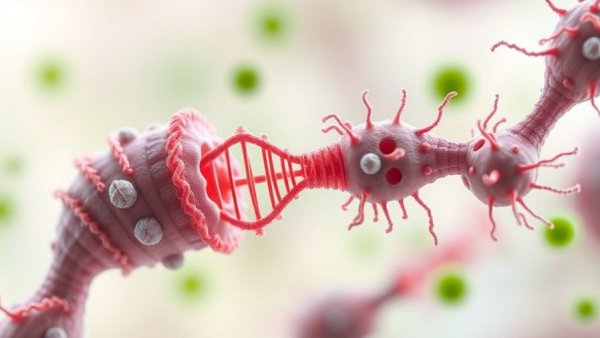
The concept of genetic inheritance typically brings to mind the steady passing down of traits from parents to offspring. However, a groundbreaking study from the University of Tokyo has illuminated an intriguing twist on this idea by creating what they term 'planimal' cells—cells that contain both mammal and algal DNA. This innovative endeavor sheds light on the phenomenon known as horizontal gene transfer, where genetic material is exchanged between different species, a process previously thought to be rare in eukaryotes (organisms with a nucleus in their cells).
How the 'Planimal' Cells Were Made
The researchers ingeniously fused unicellular red algae, Cyanidioschyzon merolae, with cultured animal cells. The distinct outcome of these experiments demonstrated that the fused cells not only integrated the algal DNA into their genomes but continued to pass this genetic material through multiple cell divisions. This marks a significant find in genetic research, revealing pathways for potential biotechnology applications, such as developing new traits in crops or understanding environmental adaptability.
Big Implications for Biotechnology
This research opens numerous possibilities within the field of biotechnology. The stable integration of algal DNA into mammalian cells suggests profound implications for fields spanning from agriculture to medicine. As scientists explore ways to enhance crop resilience or create more effective medical treatments, the principles unveiled through this study could serve as a foundation for innovative research. Moreover, by harnessing natural processes of gene transfer, technology might achieve more sustainable solutions in industry and health.
Future Predictions: When Plant and Animal Meet
Looking ahead, the concept of 'planimals' presents a fascinating future in biotechnological advancements. Imagine a world where plants can adapt to environmental stresses through introduced genes from more resilient species or where human therapies utilize enhanced biological systems developed through cross-species gene integration. The possibilities are both thrilling and profound, urging the scientific community to take a close look at the ethics surrounding such advancements.
Understanding Ethical Considerations
As intriguing as the merging of mammalian and algal DNA is, it also brings with it a range of ethical questions. How do we regulate the emerging technologies that harness horizontal gene transfer? What implications could arise from these advancements in agriculture and healthcare? These are pivotal issues that society must contend with as biotechnology advances at a breathtaking pace. It’s crucial for researchers and policymakers to collaborate, ensuring that scientific progress does not outpace ethical considerations.
Conclusion: Embrace the Future
As discoveries about genetic transfer continue to unfold, it’s essential for the public to engage in conversations surrounding biotechnology and ethics. The potential of creating 'planimal' cells not only enriches our understanding of genetics but propels discussions about responsible scientific innovation. Let’s keep our eyes open and stay informed about these exciting developments in the realm of genetics and biotechnology!




Write A Comment