
Revolutionizing Salivary Health: The Future of Dry Mouth Treatment
Imagine struggling with dry mouth, an affliction that can quite literally drain the joy from eating your favorite foods and sharing conversations with loved ones. Severe dry mouth, often caused by treatments like radiation or conditions like Sjögren's disease, has long puzzled researchers. However, recent developments from the University at Buffalo are paving the way for a promising breakthrough in treatment. Salivary gland organoids, crafted from pluripotent stem cells, may provide an innovative solution to this pervasive problem.
What Are Salivary Gland Organoids?
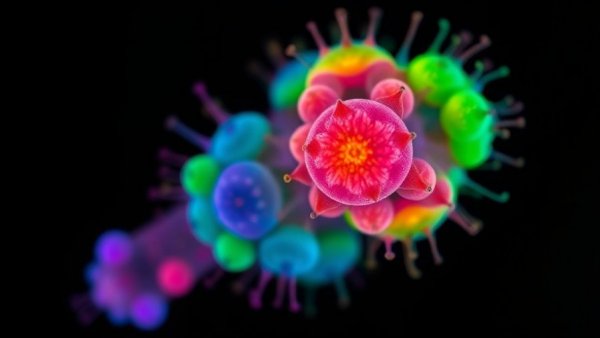
At the heart of this remarkable advancement is the idea of organoids—tiny, simplified versions of salivary glands created in a lab. Researchers have discovered a method to guide human pluripotent stem cells, which can develop into any type of cell, into forming these organoid structures. According to Dr. Stelios Andreadis, one of the leading researchers in this study, these organoids not only mimic the development of real salivary glands but also hold potential for studying diseases, testing new drugs, and ultimately, regenerating damaged salivary tissue.
From Basic Science to Real-World Applications
The development of salivary gland organoids could revolutionize dry mouth treatment and other conditions linked to salivary dysfunction. These organoids are not just a lab experiment; they are paving the way for potential cell therapies. The team has successfully transplanted organoids into mouse models, demonstrating their capacity to integrate into existing tissues—a promising sign for future human applications.
Historical Context: The Path of Stem Cell Research
This groundbreaking work stands on the shoulders of earlier discoveries in stem cell biology. The Nobel Prize-winning research by Shinya Yamanaka and John Gurdon has opened doors to innovative treatments by showing that adult cells can be reprogrammed into pluripotent cells. While their research has led to the creation of various cell types, salivary glands remain a new frontier in this exciting field. As scientists refine these techniques, the hope is that regenerative medicine will provide options where traditional treatments fail.
Why This Matters: Quality of Life Improvements
For millions living with chronic dry mouth, caused by cancer treatments or autoimmune diseases, the implications of this research are profound. Many current treatments fail to provide adequate relief, leaving sufferers searching for alternatives. By developing functional salivary glands through organoid technology, individuals could regain their ability to speak, swallow, and enjoy food without discomfort—a transformative change in their daily lives.
Future Predictions: A New Era of Personalized Medicine
The future of biomedicine looks bright with the advent of organoid technology. As research continues to advance, we may soon see personalized treatments developed from a patient’s own cells, minimizing rejection and improving outcomes. Imagine being able to have salivary glands tailored specifically for you, increasing both the quality and options for treatment.
Embracing a Healthier Future
The journey from lab to clinic is filled with challenges, but with continued research and investment in biotechnologies, a brighter future is within reach. The integration of organoid technology could redefine not only how we approach the treatment of dry mouth but expand our methodologies for myriad health conditions. For anyone dealing with the complications of dry mouth or concerned with salivary gland health, the advancements in stem cell research are indeed worth following closely.





Write A Comment