
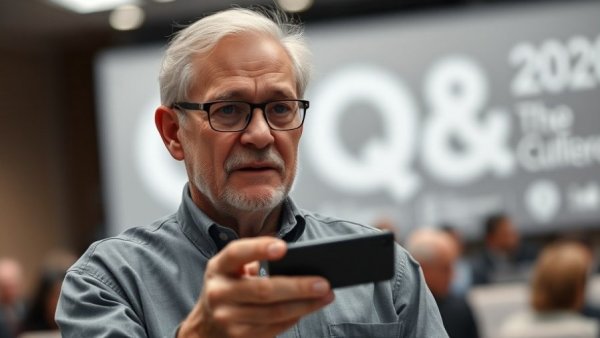
AI Deepfakes: The New Frontier of Creative Expression
The recent deluge of AI-generated deepfakes following Nvidia CEO Jensen Huang's return demonstrates the remarkable creative potential of artificial intelligence technology. With tools that empower users to animate imaginary scenarios, these deepfakes have become viral sensations, thriving on social media platforms like Elon Musk's X and Instagram. Rather than merely tools for misinformation, many of these creations serve as a means of expression and engagement, drawing viewers into playful narratives.
The Human Element Behind AI Tools
Social media users have embraced the opportunity to leverage AI creatively, and the recent wave of parody videos illustrates this shift. Instead of using the technology solely to spread disinformation—a real concern for policymakers—creators are recognizing AI's capability to entertain and engage audiences. AI has transcended its initial functions; it now allows ordinary users to script outrageous stories that pique public interest while sidestepping the severe implications of misuse, as Joshua Tucker from NYU highlighted. This aspect is essential in an era where transparency is increasingly vital.
Nvidia's Role in the AI Universe
Interestingly, the irony of this situation cannot be overlooked; Nvidia’s technology is integral to the production of deepfakes, yet it also finds itself at the center of a scandal embroiled in misinformation. Many people are unclear about the driving forces behind AI advancements and how Nvidia impacted their creation directly. Without their powerful GPUs, we may not witness the creative possibilities these tools offer. Huang's reinstatement comes with both new challenges and opportunities for the company, as ethical discussions surrounding the use of AI continue to evolve.
Future Perspectives: Misinformation or Merriment?
The surge in deepfakes raises essential questions about the future of content creation and media literacy. As AI technology becomes ever more entrenched in our social fabric, distinguishing between reality and creative fabrication hardens its importance. Creators must balance that thin line carefully; while many deepfakes simply exist for amusement, others propose narratives that could mislead. Navigating this landscape requires enhanced digital literacy among the public to recognize intention behind this tech.
Society’s Responsibility in AI Creation
These developments press upon society the responsibility of fostering ethical utilization of artificial intelligence. As humor and hyperrealism dominate the current AI landscape, ongoing discussions about the implications of deepfake technology must be prevalent in educational settings and policy debates. Anchoring these discussions in ethical frameworks could ensure that while creativity flourishes, it does so responsibly.
While Huang’s return may serve as fodder for digital mocking and creative expression, the broader implications of AI and deepfake technology cannot be ignored. As we stand on the precipice of technological advancement in AI, it is crucial that both creators and users alike engage thoughtfully with these tools to ensure a balanced future.


Write A Comment