
Understanding the Modernization Dilemma in Enterprise Technology
As enterprises journey through an era of technological upheaval, the friction between legacy systems and the adoption of advanced solutions like AI is more pronounced than ever. A recent survey conducted by Google Cloud and Hypothesis Group reveals that nearly half of enterprises experience significant delays in their AI and technology initiatives due to reliance on outdated software. This clash creates a paradox where organizations must choose between maintaining their legacy systems and advancing with AI automation.
The Impact of Legacy Systems on AI Initiatives
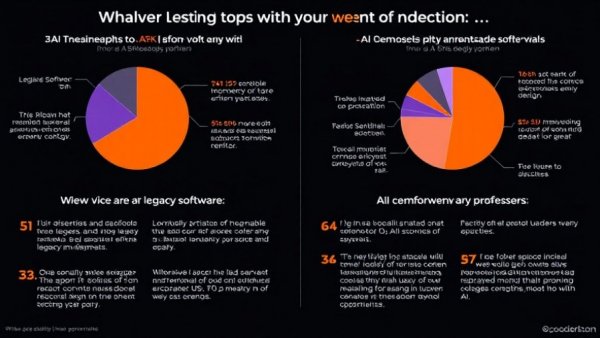
The survey highlights that legacy software—which primarily runs on local servers rather than the cloud—poses substantial challenges to the realization of AI capabilities. With 49% of respondents indicating that the restrictions of on-premises software have hindered their digital transformation, the implications are clear: sticking to old technologies directly counteracts the potential benefits of AI. Maintenance work on these systems diverts crucial resources away from innovation, stopping IT teams from leveraging AI to its full potential.
The Vendor Lock-in Conundrum
Many organizations find themselves trapped in vendor ecosystems that deepen their reliance on outdated technology. According to the survey, 39% of decision-makers reported that their dependence on specific legacy vendors complicates negotiation processes and tech choices. While such relationships might offer short-term stability, they can also lead to a dangerous monoculture, where all parts of the IT environment are controlled by a single entity. This concentration not only restricts flexibility but also raises the specter of systemic failures across various tech functions, potentially leaving organizations vulnerable at crucial junctures.
The Path Forward: Emphasizing Interoperability and Choice
To free themselves from the chains of vendor lock-in, enterprises must advocate for enhanced interoperability within their technological frameworks. Leaders within enterprises underscore that the existing provider base must not dictate the AI solutions they deploy. A transformation towards more open systems and frameworks is essential, enabling companies to select AI technologies that align with their operational goals and security standards.
Conclusion: The Time for Action is Now
As AI transitions from a theoretical concept to a practical reality, organizations must recognize the operational toll that legacy systems impose. The challenge lies not just in technology itself but the administrative structures that support it. Addressing the tension between outdated systems and modern AI functionalities is crucial; it requires concerted efforts from enterprise leaders, IT teams, and policy-makers. By prioritizing interoperability and fostering a space for innovation, companies can navigate the transition towards AI-driven environments that empower employees and enhance operational efficiency.
Returning to the fundamental question of agility in technology adoption, the imperative becomes clear: organizations must evolve past outdated models or risk being left behind in an increasingly intelligent marketplace.




Write A Comment