
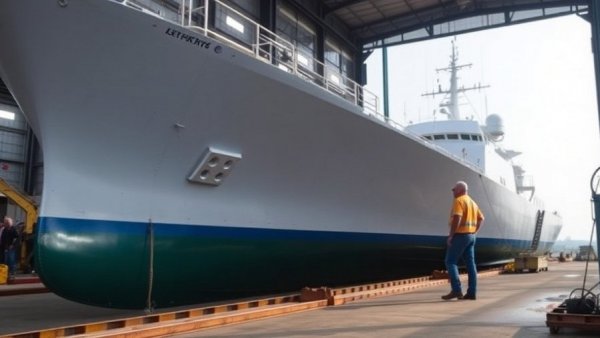
Shipbuilding's New Era: A Tug-of-War for Influence
As the deadline for new shipyard proposals approaches, the U.S. maritime industry stands at a crossroads. Established players are gearing up for a fierce battle to protect their interests, potentially hindering the country's ambitions to revitalize its shipbuilding sector. With the stakes high, this moment could determine the future landscape of American maritime innovation.
Historical Context: The Past's Grip on the Future
The U.S. shipbuilding industry once flourished, contributing significantly to national defense and commercial interests. However, the last few decades have seen a decline in domestic shipbuilding capabilities, leading to increased reliance on foreign manufacturers. This backdrop sets the stage for new proposals aimed at reinvigorating the sector. The urgency for reform is fueled by growing concerns over national security, as global tensions increase the demand for a robust maritime defense.
Influence and Resistance: The Established Players
Seasoned maritime stakeholders enjoy entrenched positions, bolstered by long-standing contracts and significant lobbying power. Their influence poses a challenge to change agents advocating for new, innovative approaches to shipbuilding. Strategies that emphasize sustainability and technological advancements, like automation and AI integration, are crucial. However, resistance from well-established firms could stall initiatives aimed at modernizing shipyard operations, emphasizing the need for a delicate balance between tradition and modernization.
A Call for Innovation in the Maritime Sector
It’s clear that revitalizing the U.S. shipbuilding industry requires a collaborative approach. Stakeholders must work together to innovate while safeguarding their interests. This moment of decision-making offers an opportunity for fresh ideas to reshuffle the competitive landscape. Those who seize this chance can lead the drive towards a robust maritime future.





Write A Comment