
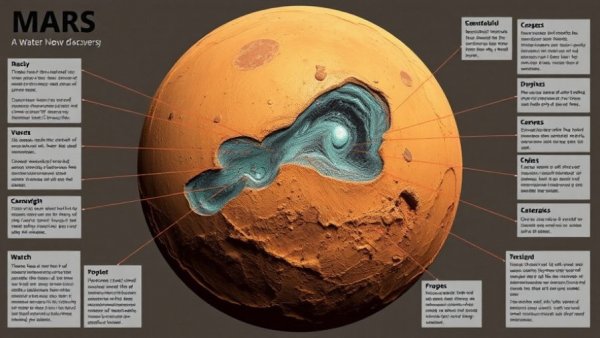
Exploring the Possibility of Water on Mars
NASA's Curiosity rover has significantly advanced our understanding of Mars over the past decade, particularly regarding the planet's atmosphere. A recent study has revealed that the atmospheric shifts observed by Curiosity could indicate the presence of small amounts of surface water on Mars, potentially reshaping our approach to future explorations.
Atmospheric Data Provides New Insights
The Curiosity rover has been collecting valuable atmospheric data since 2012, focusing on the carbon dioxide-rich Martian atmosphere. The analysis published in the Proceedings of the National Academy of Sciences analyzed isotopic changes in carbon dioxide, noting variations that align with seasonal shifts. Such data suggest interactions between the atmosphere and possible water sources at or near the surface.
Isotopes and the Role of Water
The presence of heavier isotopes, such as oxygen-18 and carbon-13, enriches our understanding of atmospheric processes. The study found that during certain seasons, particularly when Mars is closest to the sun, there was a notable increase in heavy oxygen isotopes. Although initial thoughts linked these changes primarily to carbon dioxide dynamics, the research team proposed a more compelling mechanism involving oxygen isotope exchange between carbon dioxide and water.
The Impact of Seasonal Changes
During research, Curiosity's instruments showed that the seasonal changes were responsible for substantial isotopic shifts. While daily variations were minimal, the seasonal richness of heavy oxygen suggests that some form of water interaction is likely occurring. The isotopes' behaviors could reveal how Mars’s environment has evolved and hint at the planet's past climate conditions.
Implications for Future Mars Missions
Understanding water's role on Mars not only enhances our knowledge of its geology but also serves practical purposes for future missions. Knowledge of potential water sources could dictate site selections for future human landings or colony placements. As researchers continue to analyze Curiosity's findings, we may soon identify locations that not only support research but can also sustain human life.
Why This Research Matters
The implications of discovering water on Mars are profound. It raises questions about the potential for life beyond Earth and informs us of the challenges and opportunities in colonizing other planets. Each finding from the Curiosity rover garners interest not just from scientists but also from the public, eager to know more about the red planet.
Conclusion: The Path Ahead
As we develop more advanced technologies for exploration, the findings from the Curiosity rover will continue to shape our understanding of Mars. Every piece of evidence contributes to a larger narrative about our universe and our place within it.
Take the opportunity to engage with current Mars research! Keep abreast of developments in interplanetary exploration, and consider how emerging data can inform science and society's understanding of space.





Write A Comment