
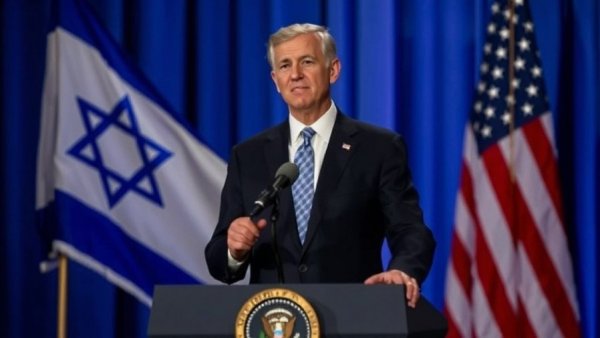
Understanding the Implications of Military Aid Cuts
President Trump’s recent proposal to cut military aid to Israel raises significant questions about the future of U.S. international support and defense relationships. While on the surface, the proposition appears to signal a serious shift in U.S. foreign policy, the reality may be less dramatic. Experts suggest that terminating direct military aid could lead to alternative support channels, which might not only maintain but also potentially enhance U.S.-Israeli relations.
The Balance of Power in Defense
Military aid has historically played a critical role in stabilizing U.S. alliances, particularly in the Middle East. Analysts express concerns that sudden cuts could lead to instability in defense systems across not just Israel, but also surrounding nations. However, it is essential to acknowledge that the U.S. has invested heavily in other areas of support including intelligence sharing and defense technology collaborations, which could offset any immediate impact from financial aid cuts.
Future Trends in U.S. Defense Relationships
As the geopolitical landscape shifts, understanding the underlying trends becomes paramount. Investors and analysts are increasingly eyeing advancements in aerospace and defense technologies as integral components of modern military strategy. The U.S. commitment to cutting-edge developments in artificial intelligence and robotics within its defense arsenal demonstrates a trend towards operational efficiency over fiscal allocations.
Conclusion: A Strategic View on National Interests
Ultimately, the proposed cuts to military aid may prompt a re-evaluation of how the U.S. sustains its strategic partnerships. As technologies advance, so too must the methodologies of international cooperation. Keeping an eye on how these shifts develop is crucial not only for policymakers but also for those interested in the future of global defense politics.




Write A Comment