
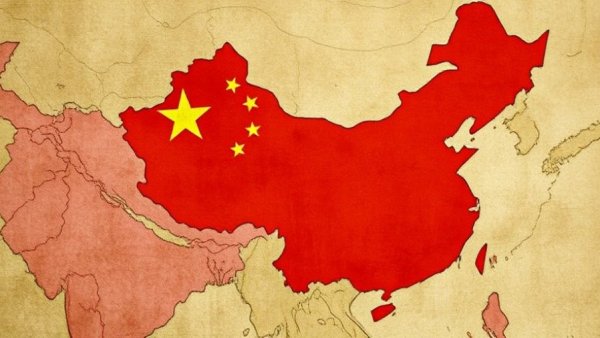
China's Claim on Batanes: A Narrative Challenge
Recently, Chinese scholars have made headlines by claiming ownership of the Batanes Islands, a province of the Philippines. This assertion comes amid rising tensions in the South China Sea, where Beijing's expansive territorial claims have often faced pushback from neighboring countries. The situation escalated as Chinese ships were spotted near the islands, raising alarms not only within the Philippines but also among other nations involved in regional maritime disputes.
Understanding the Roots of China’s Claims
China’s approach to territorial claims often utilizes a combination of narrative warfare and lawfare—strategies designed to shift public perception and legally challenge international norms. However, this is not just about geography; it is about asserting dominance and crafting a narrative that supports its geopolitical ambitions. The Batanes Islands, positioned strategically near Taiwan and the northern Philippines, are significant for air and naval access, adding layers to the dispute.
The Implications of Lawfare and Narrative Warfare
The Philippines has called attention to these tactics, arguing that China's claims contradict international law, particularly the United Nations Convention on the Law of the Sea (UNCLOS). This legal framework is designed to promote navigational freedom and equitable access to marine resources. The international community continues to rally around these principles, indicating that China's tactics may ultimately backfire.
Engagement and Response Required
As the situation unfolds, it becomes crucial for the Philippines to maintain a strategic engagement with local and international allies. The stakes are high, not only for the sovereignty of the islands but also for broader regional stability. Understanding these dynamics can inform defense strategies and diplomatic efforts aimed at countering aggressive claims and preserving regional order.





Write A Comment