
AiTechDigest
update
AI Tech Digest
AiTechDigest
update
  • Home
  • Categories
    • AI & Machine Learning
    • Future Technologies
    • Tech Industry News
    • Robotics & Automation
    • Quantum Computing
    • Cybersecurity & Privacy
    • Big Data & Analytics
    • Ethics & AI Policy
    • Gadgets & Consumer Tech
    • Space & Aerospace Tech
  • All Posts
  • AI & Machine Learning
  • Future Technologies
  • Tech Industry News
  • Robotics & Automation
  • Quantum Computing
  • Cybersecurity & Privacy
  • Big Data & Analytics
  • Ethics & AI Policy
  • Gadgets & Consumer Tech
  • Space & Aerospace Tech
May 21.2025
2 Minutes Read

Unlocking the Secrets: Optimizing Machine Learning for Greater Efficiency

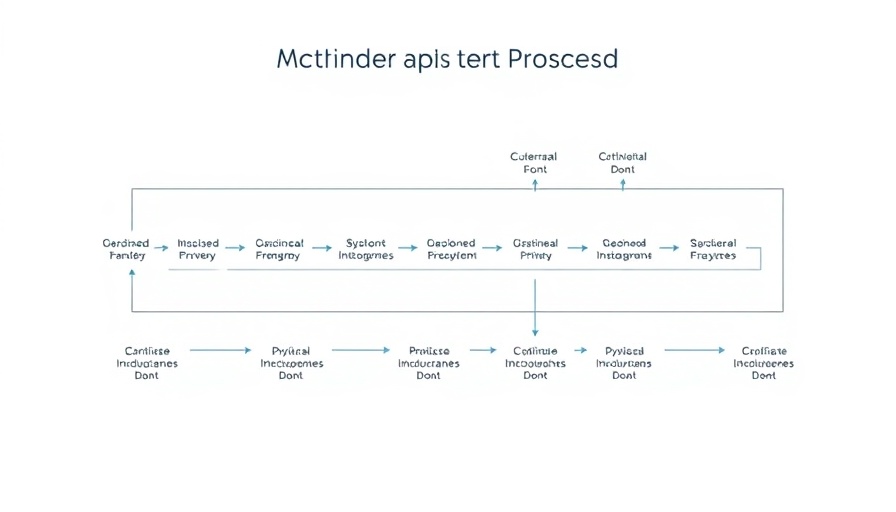
Diagram illustrating steps in optimizing machine learning.

Unveiling the Importance of Optimizing Algorithms

The advent of the information age has vastly transformed industries, all hinged on the backbone of mathematical computations. Optimizing these algorithms is especially crucial as it not only impacts efficiency but also controls operational costs, particularly in fields like machine learning and artificial intelligence.

Understanding Optimal Transport in Practical Terms

At its core, the Optimal Transport (OT) problem relates to efficiently moving goods from multiple warehouses to various stores. Each entity presents unique challenges: warehouses have different quantities available while stores have distinct demands. The primary goal is to minimize transportation costs by finding the most efficient routes, which can grow increasingly complex with the number of points involved.

A Deeper Dive into Machine Learning Optimization

Professor Makoto Yamada from the Okinawa Institute of Science and Technology (OIST) leads an initiative aimed at scaling algorithms efficiently within their Machine Learning and Data Science Unit (MLDS). Yamada’s work centers on enhancing data science mechanisms, emphasizing educational and scholarly efficiency. He aims to rethink how data flows to and from distribution points: “We want to tackle OT with linear complexity, keeping computational costs manageable regardless of scale,” he states.

The Role of Artificial Intelligence in Revolutionizing Data Processing

AI plays a pivotal role in this optimization quest. As computations grow exponentially complex, the need for streamlined, automated processes rises. For instance, in analyzing single-cell gene expression data, where each gene’s relationship can be crucial for drug discovery, reducing computational costs without sacrificing accuracy becomes paramount. AI algorithms can process vast amounts of data efficiently, paving the way for discoveries that are otherwise impossible with traditional software.

Future Perspectives on AI and Machine Learning Integration

As we move forward, the implications of optimized algorithms stretch beyond mere cost-effectiveness. They herald a new era of innovation. Better algorithms could lead to faster medical diagnoses, more accurate predictions in various fields, and improvements in overall data handling capabilities. Understanding and leveraging OT not only has the potential to mitigate costs but to also advance our technological capabilities significantly.

Addressing Potential Challenges Ahead

It's important to note that optimizing algorithms isn't without its challenges. Ramping up efficiency can sometimes lead to increased complexity in the models themselves. Therefore, ongoing research, collaboration, and dialogue within the AI community are essential to navigate these waters effectively. Recognizing diverse perspectives can aid in confronting these challenges and defining the future trajectory of AI and machine learning.

In summary, understanding the intricacies of optimizing transport through mathematical models and the integration of AI greatly enhances operational efficiency in various domains. As technological needs evolve, so too does the necessity for optimized computational strategies and innovative thinking.

AI & Machine Learning

5 Views

0 Comments

Write A Comment

*
*
Please complete the captcha to submit your comment.
Related Posts All Posts
05.23.2026

AI Allegations Cast Shadow Over Commonwealth Literary Prize Winner

Update Understanding the Controversy Surrounding AI in Literature The recent win of Jamir Nazir for his story "The Serpent in the Grove" in the 2026 Commonwealth Short Story Prize has sparked intense debate over the implications of artificial intelligence in creative writing. Accusations that Nazir's work may have been generated using AI tools like ChatGPT raise essential questions about authorship, artistic integrity, and the evolving landscape of literature. What Sparked the Debate? After the announcement of this prestigious award, critics quickly examined Nazir’s writing style and phrasing. Many noted linguistic patterns typical of AI-generated text. For instance, an AI researcher highlighted the overuse of phrases like "not X, not Y, but Z," which is often a telltale of machine-generated writing. Previous entries in the prestigious award had not faced such scrutiny, highlighting the alarming impact AI assumptions can have on human authors. The Role of AI Detection Tools AI detection tools such as Pangram categorized "The Serpent in the Grove" as "100 percent AI-generated." Although technology can help identify possible AI usage, the reliability of these tools remains contentious. Indeed, while some tools indicated machine involvement, others concluded different results for various stories, emphasizing the complexity of distinguishing AI-generated work from human creativity. This Is Just the Beginning: AI in Creative Fields With the rise of generative AI in various industries, the literary community must grapple with the implications of these technologies. This is not an isolated incident; other recent literary prizes also witnessed similar allegations, indicating a trend that could transform traditional concepts of artistic creation. The dilemma presents both challenges and potentials, illustrating a transformative tipping point. Responses from the Literary Community While foundational institutions like the Commonwealth Foundation defend their rigorous judging processes, they acknowledge the need for transparency amid growing public outcry. The organization stated that they do not utilize AI detection tools during the judging process due to potential ethical implications surrounding unpublished work. Critics, however, worry about the potential ramifications if AI tools indeed manage to infiltrate established literary awards, possibly reflecting an emerging divide between traditional and innovative authorship. What Does This Mean for Writers Moving Forward? As AI continues to permeate creative fields, writers must navigate the challenging landscape of authenticity and originality. For many, the allure of weaving technology into the creative process may spark inspiration rather than impersonation, but as we've seen with Nazir, it's critical to remain vigilant about the challenges posed by ill-defined boundaries in creativity. The literary world might see an ongoing shift where this blending becomes commonplace, inspiring debates around ethics, trust, and artistic value. Concluding Thoughts: Trust in the Age of AI As controversies surrounding the role of AI in literature persist, it becomes evident that the literary community stands at a crossroads. Will the trust in authorship endure, or will technology redefine the meaning of creativity? Understanding the nuances of AI's involvement in literature, celebrating human authorship while scrutinizing technological impact, will be imperative for the future of writing.

05.22.2026

Discover How AI Can Turn Hours of Video into Engaging Clips

Update Transforming Hours of Video into Engaging Short Clips with AIIn the ever-evolving landscape of media consumption, capturing audiences’ attention is more challenging than ever. The rise of platforms like TikTok and Instagram has fueled the demand for quick, engaging content. Turning lengthy videos into mobile-friendly snippets is a pressing need, and innovative technologies are stepping up to meet this demand. Enter Glance, a powerful tool that leverages artificial intelligence to convert hours of video into concise, engaging clips.The Role of AI in Video EditingAI technologies are becoming integral in various creative fields, particularly in video editing. Glance utilizes machine learning models to analyze video content, identifying key moments and highlights. This automated editing process not only saves time but also maintains creative quality by selecting the most compelling segments from the original footage. Similar AI-driven platforms, such as Canva and InVideo, also employ smart algorithms to enhance video editing efficiency, offering features that range from background removal to automatic scene transitions.Enhancing Social Media MarketingWith social media's insatiable appetite for fresh content, brands need ways to generate engaging materials rapidly. Tools like Glance enable marketers to create social-ready clips that keep their audience engaged. By breaking down longer videos into digestible parts, brands can ensure continuity in the viewers' experience while maximizing their reach. The accessibility and functionality of AI-driven video editing provide businesses with a competitive edge in effective storytelling.Potential Implications for Content CreatorsAs the demand for quick content grows, creators can find themselves overwhelmed with editing tasks. AI-powered video editing tools like Glance not only alleviate this burden but also open new avenues for creativity. These advancements empower creators to focus more on content production while allowing technology to handle the technical aspects. By automating the editing process, video creators can produce higher volumes of content without sacrificing quality or engagement.Future Trends in AI-Powered Video EditingLooking ahead, the evolution of AI in video editing appears promising. As developers continue to refine these technologies, we can expect even more sophisticated tools that will enhance user experience and output quality. Future advancements may include the ability for AI to understand context better, leading to more nuanced editing and storytelling. Furthermore, with the growing emphasis on personalization, AI might soon tailor video edits based on individual viewer preferences, taking content customization to a whole new level.ConclusionThe intersection of AI and video editing marks a new era for content creation that appeals to marketers, creators, and viewers alike. By streamlining the editing process, tools like Glance not only save time but also drive creativity and innovation in how video content is presented. As these technologies continue to evolve, the way we consume and create visual media will likely change dramatically, suggesting exciting times ahead for the industry.

05.21.2026

Will AI Transform the Job Market for Young Workers Like Past Technologies?

Update AI and the Evolving Job Landscape: A Generational ShiftArtificial intelligence (AI) is not just a technological trend; it is reshaping the job market in unprecedented ways. Traditionally, new technologies have created pathways for young, skilled workers, allowing them to enter the workforce with opportunities for growth and development. However, AI presents a new challenge, as it not only automates tasks but also alters the landscape of entry-level employment. For Gen Z—those currently entering the workforce—this transformation carries profound implications for their career trajectories and economic prospects. The Decline of Entry-Level JobsRecent studies highlight a troubling trend: entry-level positions, often seen as the stepping stones to career advancement, are rapidly disappearing. According to a Stanford Digital Economy Lab report, employment among U.S. workers aged 22-25 in highly AI-exposed roles has declined sharply. Many of these roles, such as administrative support and customer service, are perfect candidates for automation, leading to a significant reduction in available positions for young job seekers.This trend has a cascading effect. As AI automates these positions, businesses are opting to deploy more senior staff to cover expanded workloads, thereby compressing the traditional paths junior employees would typically follow to develop their skills, gain experience, and progress within their careers.Implications for Gen ZThe implications of this shift for Gen Z workers are severe. This generation, already faced with a challenging economic landscape—including rising living costs and a volatile job market—now confronts additional hurdles. The lack of opportunities for entry-level employment can exacerbate income instability, erode skill development, and compress wages in fields heavily influenced by AI technology. Moreover, over 50% of Gen Z workers express concern about being overshadowed by colleagues with superior AI skills, fostering a climate of insecurity and anxiety.The Global Perspective: How Different Regions Are RespondingNotably, the impact of AI on entry-level employment is not uniform across the globe. Countries like Germany and Singapore are actively implementing systems that prepare young workers for the changing landscape. For example, Germany’s dual education system combines classroom learning with practical workplace experience, ensuring that students are job-ready by the time they graduate. In contrast, countries like Spain and the UK are witnessing alarmingly high youth unemployment rates, where many young people are stuck in low-skill, short-term jobs, failing to transition into stable careers.Proposed Solutions and the Way ForwardTo address the challenges posed by AI to young workers, experts advocate for significant policy changes. Implementing a labor impact classification system for AI, which distinguishes between AI that complements human abilities and AI that displaces workers, could help in crafting effective responses. Additionally, providing portable wage insurance and reskilling support can empower young workers to adapt to the evolving job market.The future may not be completely bleak. With the right investments in training and education, AI has the potential not only to improve efficiencies but also to create new roles that emphasize uniquely human skills—critical thinking, creativity, and emotional intelligence—skills that AI cannot replicate easily.

Terms of Service

Privacy Policy

Core Modal Title

Sorry, no results found

You Might Find These Articles Interesting

T
Please Check Your Email
We Will Be Following Up Shortly
*
*
*