AI Tech Digest
AiTechDigest
  • Home
  • Categories
    • AI & Machine Learning
    • Future Technologies
    • Tech Industry News
    • Robotics & Automation
    • Quantum Computing
    • Cybersecurity & Privacy
    • Big Data & Analytics
    • Ethics & AI Policy
    • Gadgets & Consumer Tech
    • Space & Aerospace Tech
  • All Posts
  • AI & Machine Learning
  • Future Technologies
  • Tech Industry News
  • Robotics & Automation
  • Quantum Computing
  • Cybersecurity & Privacy
  • Big Data & Analytics
  • Ethics & AI Policy
  • Gadgets & Consumer Tech
  • Space & Aerospace Tech
November 25.2026
4 Minutes Read

Unlocking Cosmic Secrets: How Trapping Antimatter Could Explain Existence

Physicists trap antimatter in a breakthrough that could explain why the universe exists

A Quantum Leap: Trapping Antimatter in Pursuit of Cosmic Understanding

In a remarkable breakthrough, physicists at Northwestern University have not only captured antimatter but have also conducted pioneering experiments that could unravel one of the universe's deepest mysteries: why does the observable universe contain far more matter than antimatter? This groundbreaking study represents a leap forward in our quantum understanding and could have profound implications for the Standard Model of particle physics, which has been the backbone of particle physics for decades.

Understanding Antimatter and Its Role in the Universe

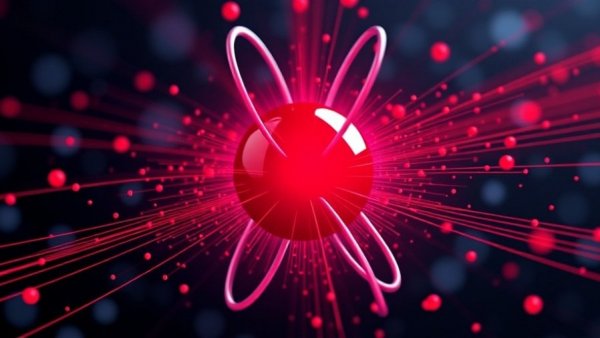
At the core of this research is the positron, the antimatter counterpart of the electron. In the study published in Physical Review Letters, researchers successfully slowed down a positron produced from radioactive decay, cooling it to near absolute zero temperature—approximately -273.15 degrees Celsius. The effort to suspend this particle in a wall-free trap prevented it from annihilating upon contact with ordinary matter, allowing for detailed observations and manipulation of its properties.

The significance of trapping a positron lies in the potential for meticulous experiments to compare its properties with those of electrons. The Standard Model posits that electrons and positrons should act like perfect mirrors of each other, akin to two sides of the same coin. Any discrepancies—no matter how minute—in their behavior could expose substantial flaws in our current understanding of particle physics, and may point towards new physical theories that could enhance our grasp of the universe.

Seeking Cracks in the Standard Model

Northwestern physicist Gerald Gabrielse, who led the research, emphasized the critical gap in the Standard Model's ability to explain the universe's make-up. "The Big Bang should have created equal amounts of matter and antimatter; however, we observe a clear predominance of matter," he stated. An understanding of this imbalance has long eluded scientists, making this research pivotal. The mystery not only stimulates the scientific community but piques the curiosity of the general public, many of whom have considered such cosmic questions since ancient times.

As researchers progress with their experiments, precise measurements of the magnetic properties of the positron could reveal undetected differences from the electron. Discovering any discrepancies may lead to a paradigm shift in physics, potentially unearthing new particles or forces that have yet to be considered. Such findings would not only advance theoretical physics but could also lead to practical applications.

Why Should We Care About Antimatter?

The implications of this research extend beyond academic interest. Controlling antimatter could pave the way for incredible technological advancements, including developments in quantum computing. Quantum systems that leverage the principles of quantum mechanics could lead to computing power that far exceeds current capabilities, revolutionizing industries and everyday technology.

Imagine quantum computers that can solve complex problems in seconds, ushering in a new era of innovation across sectors such as data analytics, cryptography, and artificial intelligence. By probing the mysteries of antimatter, researchers are laying the groundwork for a more advanced understanding of quantum systems. This work promises to enhance existing technologies and inspire future innovations that may seem fantastical today but could become routine in the coming decades.

Future Predictions: Antimatter Research in the Coming Years

As advancements continue in the field of antimatter, several opportunities for further exploration will arise. In the next decade, we may witness increased collaboration across international institutions, focusing on enhanced techniques for isolating and manipulating antiparticles. Such collaboration could accelerate the discovery of new physical phenomena.

Additionally, emerging technologies such as advanced particle accelerators and ultra-sensitive measuring devices could dramatically improve the precision of experiments. These innovations would provide researchers with the tools to explore new frontiers in particle physics and expand our understanding of fundamental forces. This research might also inspire the next generation of scientists, who will be equipped to ask new questions and explore the boundaries of the known universe. Engaging future innovators in this realm is essential for maintaining the momentum of discovery and fostering a scientific culture that values curiosity and exploration.

Understanding the Cosmic Imbalance

Furthermore, the pursuit of knowledge on antimatter aligns closely with our quest to comprehend the cosmos's fundamental laws. The universe's mysterious lack of antimatter challenges our understanding of symmetry in nature, prompting scientists to revisit foundational theories. With successful experiments yielding vital insights, the scientific community bears the weight of responsibility to communicate these potential discoveries to the broader public. Making this knowledge accessible can ignite curiosity and inspire a new wave of scientific inquiry among young minds, leading to outreach efforts that bridge the gap between complex science and public understanding.

The Emotional Human Connection

The journey of understanding antimatter touches a profound emotional chord within humanity's narrative. From ancient philosophical inquiries to contemporary scientific pursuits, our quest to understand existence is ultimately a search for connection—both to one another and to the universe itself. By exploring why our universe predominantly consists of matter, we delve into philosophical territory, evoking existential questions that have shaped human thought throughout history.

This breakthrough in antimatter may seem distant from everyday life, but it highlights our collective endeavor to unravel the secrets of existence. As scientists inch closer to revealing these truths, our understanding of everything—from the tiniest particles to the vast cosmos—could expand exponentially. This exploration is not merely academic; it resonates with the universal human impulse to seek knowledge about our origins and place in the cosmos.

In summary, the meticulous experiments conducted on positrons not only promise to challenge the Standard Model but also pave the way for unprecedented technological advancements. This is an exciting time for scientific inquiry, a period that may redefine our understanding of reality and our place within the universe. As these studies continue, they will not only deepen our insight into the fundamental structure of matter but could also inspire an entire generation to explore the unknown.

Quantum Computing

0 Views

0 Comments

Write A Comment

*
*
Please complete the captcha to submit your comment.
Related Posts All Posts
11.18.2026

Unveiling Quantum Secrets: How a One-Atom-Thick Material Transforms Our Understanding of Quantum Computing

Update Unlocking a Quantum Wonder: The Discovery of Heavy Fermions In a groundbreaking study, scientists at the University of Osaka have unveiled a fascinating quantum phenomenon at the interface of a material just one atom thick and a metal. The research specifically highlights a newly observed heavy fermion state, where electrons behave as though they possess an increased mass. This effect raises exciting questions about the fundamental properties of quantum materials and their potential applications in advanced technology. Such developments could also inspire future innovations across various sectors, including electronics and materials science. The Mechanics Behind Heavy Fermions The remarkable heavy fermion state observed in this study results from the interaction of electrons within a single atomic layer of ytterbium (YbCu2) laid upon a copper substrate. By employing powerful synchrotron light, researchers were able to probe the relationship between electrons in the atomic layer and those freely moving in the copper beneath. This mixing, or hybridization, leads to unexpected behaviors—characteristics not observable in either material when considered independently. Specifically, the phenomenon is driven by a combination of localized ytterbium 4f electrons and the mobile conduction electrons present within the copper. When these two types of electrons interact at the atomic interface, the resulting heavy fermion behavior emerges, showcasing a significant example of how material interfaces can produce unique quantum states. This interaction not only represents a fascinating scientific observation but could also influence the development of new materials with tailored electronic properties. What Does This Mean for Quantum Computing? The implications of this discovery reach far beyond theoretical curiosity. Heavy fermion states are linked with significant quantum phenomena such as unconventional superconductivity, which is central to the advancement of quantum computing technologies. Superconductivity refers to the ability of certain materials to conduct electricity without resistance, a property that could lead to energy-efficient systems and ultra-fast computing power. As researchers delve deeper into engineering and manipulating these states, we may be on the verge of unprecedented breakthroughs in quantum material design. The ability to control heavy electron behaviors not only opens pathways for enhanced computational applications but also contributes to developing new technologies that could reshape industries ranging from healthcare to finance. The Importance of Material Interfaces This study suggests that the boundaries between different materials might be instrumental in creating new electronic behaviors. Instead of merely combining substances, scientists can strategically select ultrathin atomic layers and ideal underlying materials to facilitate exotic quantum states. This perspective signifies a shift in material science, one that could redefine how we approach quantum computing. By unlocking the potential at these material interfaces, researchers could engineer devices that leverage the unique properties of heavy fermions to produce faster and more reliable quantum computers. Moreover, understanding how these quantum effects manifest at the nanoscale could lead to breakthroughs in nanotechnology and the engineering of advanced materials with specific electronic characteristics. Future Research Directions Looking forward, the University of Osaka team plans to explore the engineering of heavy-electron states further. They aim to modify the atomic arrangements at these interfaces and manipulate their electronic orbitals, potentially leading to even more complex quantum states. By finely tuning these interactions, researchers could unlock new capabilities in quantum computing and advanced materials that could change the technological landscape. This nascent field of research holds the promise of revolutionizing not just how we compute, but also how we understand matter itself. As scientists continue to push the boundaries of what is possible with quantum materials, new methods for controlling and harnessing quantum states will likely emerge. Each step forward could unveil new cognitive tools for simulating complex systems, forecasting weather patterns, or even accelerating drug discovery processes. Real-World Applications and Beyond As we stand on the brink of major advancements, the broader implications of this research extend into various fields, including artificial intelligence, telecommunications, and material science. The potential for superfast quantum computers powered by these new materials could revolutionize industries by dramatically increasing computational speeds and efficiency. Furthermore, developments like these may soon pave the way for breakthroughs in encryption and data processing technologies, anchoring quantum computing at the forefront of technological evolution. This is especially relevant in today’s data-driven world, where effective data management and security are paramount. If quantum computers can perform calculations that are currently impossible, it could lead to developments such as unbreakable encryption methods and instant complex problem-solving, transforming an array of fields from cybersecurity to logistics. Concluding Thoughts This exciting discovery of heavy fermion states not only sparks enthusiasm among physicists but also hints at a future powered by quantum innovations. As researchers continue to investigate and manipulate materials at the atomic level, the mysteries of quantum mechanics are set to be unraveled, heralding a new age of technology. Whether for potential applications in quantum computing or other technologies, the exploration of one-atom-thick materials could truly transform our understanding of the universe. Keeping an eye on developments in this field could inspire new pathways for innovation and potentially lead us to applications we have yet to imagine. As we delve deeper into the quantum realm, the implications of these small-scale phenomena could yield significant impact on our daily lives and global technology landscapes.

11.17.2026

Controlling Atomic Spins: A Breakthrough for Quantum Computing

Update Unraveling the Magic of Magnetic Spin Control At the forefront of technological innovation, scientists at Delft University of Technology have recently made a groundbreaking discovery that challenges long-held beliefs in atomic physics. By employing radio waves, they have managed to control the magnetic spin of a single atom's nucleus, a feat previously thought to be impossible. This remarkable achievement raises important questions about atomic behavior and opens new pathways for advancements in quantum memory—a key component in the evolving field of quantum computing. The Unexpected Breakthrough in Atom Control Lead researcher Sander Otte and his team focused on manipulating the magnetic properties of atoms, venturing into territory that had predominantly been governed by the behavior of electron spins. Electrons are known to produce the strongest magnetic fields within an atom, but the discovery that the nucleus can also be influenced directly through external signals represents a remarkable paradigm shift. This insight could pave the way for new mechanisms to store quantum information effectively, potentially transforming applications in quantum computing. What Lies Beneath: Understanding Nuclear Spin Nuclear spin is a less dominant player in the magnetic phenomena within atoms, often overshadowed by electron spins. However, its unique characteristics could provide a stable foundation for preserving quantum information because of its reduced exposure to external disruptions. As Otte notes, "The nuclear spin is much weaker, but it is also much better shielded from the outside world." This shielding is crucial for developing reliable quantum memory—essential for realizing quantum computing's full capabilities. From Hypothesis to Reality: The Experimental Setup In their recent study, the researchers employed a modified scanning tunneling microscope, a tool that delivers electrical signals to individual atoms with unmatched precision. Rather than solely focusing on electron spin, the team simultaneously directed separate signals towards both the electron and nuclear spins. This innovative approach allowed them to test their effects independently—a tactical move that led to unexpected results. The precision of the scanning tunneling microscope was integral to this process, enabling the team to probe at an atomic level, which is a feat that has vast implications in the realm of physics. Challenges and Mysteries Ahead in Atomic Behavior To the scientists' astonishment, the team's experiments revealed that even when the electron and nuclear spins were largely disentangled, they could still control the orientation of the nuclear spin independently. This outcome defied their established understanding of how nuclear spins interact with electrical signals. Otte remarked, “According to our simple understanding, this should not really happen.” This implies an unidentified mechanism at play, indicating that the atomic world still holds many secrets awaiting further exploration. This discovery does not only challenge existing theories but also prompts a reevaluation of how we understand atomic interactions in various substances. Implications for Quantum Computing Control over atomic spins forms the backbone of forthcoming developments in quantum computing technology. Researchers around the world are eager to capitalize on this new insight to enhance quantum memory systems, which are pivotal for effective quantum computing applications. As researchers dig deeper into understanding the underlying processes that allow for this control, the potential applications become steadily clearer. Such advancements could facilitate the development of more efficient quantum systems capable of complex computations that are beyond the reach of classical computers. Practical Applications: Transforming Industries The implications of this research extend into various sectors. For instance, industries reliant on secure data storage can benefit from improved quantum memory systems that are less susceptible to errors. This aspect is paramount in sectors such as finance, healthcare, and national security, where data integrity is critical. Moreover, advancements in quantum computing technology could lead to significant improvements in artificial intelligence algorithms, enabling faster decision-making and more sophisticated predictive analytics. Future Predictions: The Road Ahead With this breakthrough, the future of quantum computing looks promising. As researchers continue to uncover the mechanics of atomic behavior, we can anticipate enhancements in data processing speeds and storage capacities. These advancements could translate to real-world applications, ranging from more secure communication networks to highly sophisticated AI algorithms that rely on quantum computations. More so, innovations stemming from this research may help unlock solutions to problems currently deemed unsolvable, such as optimizing complex logistics or enhancing molecular simulations in drug discovery. Call to Explore Quantum Frontiers The exploration does not stop here. Researchers will need to grasp the intricacies of this new level of atomic control and its broader implications for technology. As various teams around the globe attempt to replicate and build on these findings, the scientific community will likely gain deeper insights into the atomic world. By understanding these mechanisms, we can further enable the evolution of quantum computing, potentially leading us into an era where conventional limits no longer apply. For those fascinated by technological advancements, this breakthrough not only highlights the exciting possibilities of future applications but also underscores the importance of continued inquiry into the atomic world. The quest for knowledge will not only drive technological innovation but can also inspire the next generation of scientists, engineers, and innovators. Follow the developments in quantum computing and the exciting paths they may carve for the tech industry.

11.14.2026

Discover How Electrons Make Quantum Jumps in Graphene

Update Unlocking Quantum Mechanics: The Leap Beyond LimitsIntroductionIn a groundbreaking study, scientists have captured electrons making seemingly impossible jumps across forbidden energy gaps in graphene. This remarkable phenomenon, observed with a 100% probability, provides unprecedented insight into quantum behavior—offering tantalizing prospects for the future of electronics.The study by researchers from the University of Regensburg, Philipps-Universität Marburg, and Forschungszentrum Jülich highlights how electric fields generated by light can accelerate electrons through the intricate energy landscape of graphene. This discovery not only expands our understanding of quantum mechanics but also hints at potential advancements in ultrafast, light-controlled electronics.The Quantum Leap ExplainedThe process that allows electrons to transition between energy bands is known as a Landau-Zener-Majorana transition. Think of it as an elevator that skips floors, taking you directly from the first to the twentieth. In the realm of quantum physics, such jumps are not only possible but now verifiable thanks to innovative new technology.The researchers utilized an advanced photoemission momentum microscope, allowing them to observe the intricate behaviors of electrons under rapid laser pulses. This meticulous approach enabled them to capture electron transitions on timescales that conventional imaging methods cannot achieve, providing insights into their dynamics that have never been seen before.Building Blocks for Future TechnologiesAs we delve deeper into the implications of this research, it becomes clear that understanding how electrons behave under extreme conditions can significantly impact the development of quantum computing and other advanced technologies. Quantum computing, in particular, relies on the unique properties of quantum states to process information faster than ever before. The insights gained from this study could pave the way for creating new types of qubits that function more efficiently.Applications of Observing Quantum JumpsThe implications of predicting and controlling electron pathways are vast and varied. Advanced knowledge of electron transitions can enhance the development of more efficient semiconductors, potentially leading to faster devices that could revolutionize computing, telecommunications, and various consumer technologies. This could usher in an era of electronics that react instantaneously to stimuli, much like biological systems do. Innovations in this area could even lead to the development of wearable technology that harnesses light to power devices, or smart systems that seamlessly integrate into our daily lives.The Role of GrapheneGraphene has emerged as one of the most promising materials in the last decade, and its unique properties—such as extraordinary electrical conductivity and strength—make it ideal for various applications, including in the field of quantum electronics. Its two-dimensional structure allows it to exhibit unique quantum effects that can be harnessed for technological advancement. Furthermore, graphene is not only lightweight and remarkably flexible but also has the potential to be produced at scale, presenting a considerable advantage over other materials traditionally used in electronics.Challenges Ahead: Making the Most of Quantum FindingsWhile the breakthroughs around Landau-Zener-Majorana transitions are exciting, the path from research to application is fraught with challenges. One significant hurdle is scaling the technology needed to monitor and manipulate electrons effectively in real-world applications. Additionally, ensuring stability and reliability in electron transitions poses important questions for future development. Researchers must navigate the complex landscape of material science and engineering to find ways to integrate these quantum behaviors into commercial products.Effective collaboration between scientists, engineers, and industry leaders will be crucial in overcoming these obstacles. To transition from theoretical research to practical applications, it may also be necessary to engage policymakers and funding agencies to secure support for further development in quantum technologies.Global Perspectives on Quantum TechnologyThis research is not occurring in isolation. Worldwide efforts in quantum technology are rapidly advancing. Countries such as the United States, China, and members of the European Union are heavily investing in quantum research and development, recognizing its potential as a driver for economic growth and technological leadership. The findings from this study could position Europe as a strong contender in the global quantum race, fostering collaboration among academic institutions and industries.Conclusion: The Road to Quantum InnovationAs we stand on the brink of a new era in quantum technology, the ability to observe and manipulate electron behavior within graphene opens up a world of possibilities. The findings from this pivotal study mark a critical step towards revolutionizing electronics and could have vast implications for future advancements in quantum computing. By continuing to push the boundaries of what we know about quantum mechanics, researchers are poised to unlock technologies that could transform our world.Indeed, this breakthrough not only excites scientists but may also eventually offer transformative technologies for everyday use, paving the way for smarter, faster, and more efficient devices in our technologically advanced societies.

AiTechDigest

Your premier destination for the latest AI breakthroughs, emerging technologies, and future innovations shaping the world.

COMPANY

  • Privacy Policy
  • Terms of Use
  • Advertise
  • Contact Us
  • Menu 5
  • Menu 6


ABOUT US

We strive to keep you informed and inspired with the most cutting-edge development in artificial intelligence, robotics, quantum computing and beyond. 

© 2026 AITechDigest.Net - Powered by Eden Streams All Rights Reserved. 1317 Edgewater Dr #2368, Orlando, FL 32804 . Contact Us . Terms of Service . Privacy Policy

eyJjb21wYW55IjoiQUlUZWNoRGlnZXN0Lk5ldCAtIFBvd2VyZWQgYnkgRWRlbiBTdHJlYW1zIiwiYWRkcmVzcyI6IjEzMTcgRWRnZXdhdGVyIERyICMyMzY4IiwiY2l0eSI6Ik9ybGFuZG8iLCJzdGF0ZSI6IkZMIiwiemlwIjoiMzI4MDQiLCJlbWFpbCI6InN1cHBvcnRAZWRlbnNtYWlsLmNvbSIsInRvcyI6IlBIQStQSE4wY205dVp6NDhaVzArVjJobGJpQjViM1VnYzJsbmJpMXBiaUIzYVhSb0lIVnpMQ0I1YjNVZ1lYSmxJR2RwZG1sdVp5WnVZbk53T3lCNWIzVnlJSEJsY20xcGMzTnBiMjRnWVc1a0lHTnZibk5sYm5RZ2RHOGdjMlZ1WkNCNWIzVWdaVzFoYVd3Z1lXNWtMMjl5SUZOTlV5QjBaWGgwSUcxbGMzTmhaMlZ6TGlCQ2VTQmphR1ZqYTJsdVp5QjBhR1VnVkdWeWJYTWdZVzVrSUVOdmJtUnBkR2x2Ym5NZ1ltOTRJR0Z1WkNCaWVTQnphV2R1YVc1bklHbHVJSGx2ZFNCaGRYUnZiV0YwYVdOaGJHeDVJR052Ym1acGNtMGdkR2hoZENCNWIzVWdZV05qWlhCMElHRnNiQ0IwWlhKdGN5QnBiaUIwYUdseklHRm5jbVZsYldWdWRDNDhMMlZ0UGp3dmMzUnliMjVuUGp3dmNENEtDanh3UGp4aElHaHlaV1k5SW1oMGRIQTZMeTkzZDNjdVoyOXZaMnhsTG1OdmJTSSthSFIwY0RvdkwzZDNkeTVuYjI5bmJHVXVZMjl0UEM5aFBqd3ZjRDRLQ2p4d1BpWnVZbk53T3p3dmNENEtDanh3UGp4emRISnZibWMrVTBWU1ZrbERSVHd2YzNSeWIyNW5Qand2Y0Q0S0NqeHdQbGRsSUhCeWIzWnBaR1VnWVNCelpYSjJhV05sSUhSb1lYUWdZM1Z5Y21WdWRHeDVJR0ZzYkc5M2N5QjViM1VnZEc4Z2NtVmpaV2wyWlNCeVpYRjFaWE4wY3lCbWIzSWdabVZsWkdKaFkyc3NJR052YlhCaGJua2dhVzVtYjNKdFlYUnBiMjRzSUhCeWIyMXZkR2x2Ym1Gc0lHbHVabTl5YldGMGFXOXVMQ0JqYjIxd1lXNTVJR0ZzWlhKMGN5d2dZMjkxY0c5dWN5d2daR2x6WTI5MWJuUnpJR0Z1WkNCdmRHaGxjaUJ1YjNScFptbGpZWFJwYjI1eklIUnZJSGx2ZFhJZ1pXMWhhV3dnWVdSa2NtVnpjeUJoYm1RdmIzSWdZMlZzYkhWc1lYSWdjR2h2Ym1VZ2IzSWdaR1YyYVdObExpQlpiM1VnZFc1a1pYSnpkR0Z1WkNCaGJtUWdZV2R5WldVZ2RHaGhkQ0IwYUdVZ1UyVnlkbWxqWlNCcGN5QndjbTkyYVdSbFpDQW1jWFZ2ZER0QlV5MUpVeVp4ZFc5ME95QmhibVFnZEdoaGRDQjNaU0JoYzNOMWJXVWdibThnY21WemNHOXVjMmxpYVd4cGRIa2dabTl5SUhSb1pTQjBhVzFsYkdsdVpYTnpMQ0JrWld4bGRHbHZiaXdnYldsekxXUmxiR2wyWlhKNUlHOXlJR1poYVd4MWNtVWdkRzhnYzNSdmNtVWdZVzU1SUhWelpYSWdZMjl0YlhWdWFXTmhkR2x2Ym5NZ2IzSWdjR1Z5YzI5dVlXeHBlbUYwYVc5dUlITmxkSFJwYm1kekxqd3ZjRDRLQ2p4d1BsbHZkU0JoY21VZ2NtVnpjRzl1YzJsaWJHVWdabTl5SUc5aWRHRnBibWx1WnlCaFkyTmxjM01nZEc4Z2RHaGxJRk5sY25acFkyVWdZVzVrSUhSb1lYUWdZV05qWlhOeklHMWhlU0JwYm5admJIWmxJSFJvYVhKa0lIQmhjblI1SUdabFpYTWdLSE4xWTJnZ1lYTWdVMDFUSUhSbGVIUWdiV1Z6YzJGblpYTXNJRWx1ZEdWeWJtVjBJSE5sY25acFkyVWdjSEp2ZG1sa1pYSWdiM0lnWTJWc2JIVnNZWElnWVdseWRHbHRaU0JqYUdGeVoyVnpLUzRnV1c5MUlHRnlaU0J5WlhOd2IyNXphV0pzWlNCbWIzSWdkR2h2YzJVZ1ptVmxjeXdnYVc1amJIVmthVzVuSUhSb2IzTmxJR1psWlhNZ1lYTnpiMk5wWVhSbFpDQjNhWFJvSUhSb1pTQmthWE53YkdGNUlHOXlJR1JsYkdsMlpYSjVJRzltSUdWaFkyZ2dVMDFUSUhSbGVIUWdiV1Z6YzJGblpTQnpaVzUwSUhSdklIbHZkU0JpZVNCMWN5NGdTVzRnWVdSa2FYUnBiMjRzSUhsdmRTQnRkWE4wSUhCeWIzWnBaR1VnWVc1a0lHRnlaU0J5WlhOd2IyNXphV0pzWlNCbWIzSWdZV3hzSUdWeGRXbHdiV1Z1ZENCdVpXTmxjM05oY25rZ2RHOGdZV05qWlhOeklIUm9aU0JUWlhKMmFXTmxJR0Z1WkNCeVpXTmxhWFpsSUhSb1pTQlRUVk1nZEdWNGRDQnRaWE56WVdkbGN5NGdWMlVnWkc4Z2JtOTBJR05vWVhKblpTQmhibmtnWm1WbGN5Qm1iM0lnWkdWc2FYWmxjbmtnYjJZZ1pXMWhhV3dnYjNJZ1UwMVRMaUJVYUdseklHbHpJR0VnWm5KbFpTQnpaWEoyYVdObElIQnliM1pwWkdWa0lHSjVJSFZ6TGlCSWIzZGxkbVZ5TENCd2JHVmhjMlVnWTJobFkyc2dkMmwwYUNCNWIzVnlJR2x1ZEdWeWJtVjBJSE5sY25acFkyVWdjSEp2ZG1sa1pYSWdZVzVrSUdObGJHeDFiR0Z5SUdOaGNuSnBaWElnWm05eUlHRnVlU0JqYUdGeVoyVnpJSFJvWVhRZ2JXRjVJR2x1WTNWeUlHRnpJR0VnY21WemRXeDBJR1p5YjIwZ2NtVmpaV2wyYVc1bklHVnRZV2xzSUdGdVpDQlRUVk1nZEdWNGRDQnRaWE56WVdkbGN5QjBhR0YwSUhkbElHUmxiR2wyWlhJZ2RYQnZiaUI1YjNWeUlHOXdkQzFwYmlCaGJtUWdjbVZuYVhOMGNtRjBhVzl1SUhkcGRHZ2diM1Z5SUdWdFlXbHNJR0Z1WkNCVFRWTWdjMlZ5ZG1salpYTXVJRmx2ZFNCallXNGdZMkZ1WTJWc0lHRjBJR0Z1ZVNCMGFXMWxMaUJLZFhOMElIUmxlSFFnSm5GMWIzUTdVMVJQVUNaeGRXOTBPeUIwYnladVluTndPenhvYVdkb2JHbG5hSFFnWTJ4aGMzTTlJbU52YlhCaGJubFRUVk5RYUc5dVpWVndaR0YwWlNJK1BDOW9hV2RvYkdsbmFIUStMaUJCWm5SbGNpQjViM1VnYzJWdVpDQjBhR1VnVTAxVElHMWxjM05oWjJVZ0puRjFiM1E3VTFSUFVDWnhkVzkwT3lCMGJ5QjFjeXdnZDJVZ2QybHNiQ0J6Wlc1a0lIbHZkU0JoYmlCVFRWTWdiV1Z6YzJGblpTQjBieUJqYjI1bWFYSnRJSFJvWVhRZ2VXOTFJR2hoZG1VZ1ltVmxiaUIxYm5OMVluTmpjbWxpWldRdUlFRm1kR1Z5SUhSb2FYTXNJSGx2ZFNCM2FXeHNJRzV2SUd4dmJtZGxjaUJ5WldObGFYWmxJRk5OVXlCdFpYTnpZV2RsY3lCbWNtOXRJSFZ6TGp3dmNENEtDanh3UGp4emRISnZibWMrV1U5VlVpQlNSVWRKVTFSU1FWUkpUMDRnVDBKTVNVZEJWRWxQVGxNOEwzTjBjbTl1Wno0OEwzQStDZ284Y0Q1SmJpQmpiMjV6YVdSbGNtRjBhVzl1SUc5bUlIbHZkWElnZFhObElHOW1JSFJvWlNCVFpYSjJhV05sTENCNWIzVWdZV2R5WldVZ2RHODZQQzl3UGdvS1BHOXNQZ29KUEd4cFBuQnliM1pwWkdVZ2RISjFaU3dnWVdOamRYSmhkR1VzSUdOMWNuSmxiblFnWVc1a0lHTnZiWEJzWlhSbElHbHVabTl5YldGMGFXOXVJR0ZpYjNWMElIbHZkWEp6Wld4bUlHRnpJSEJ5YjIxd2RHVmtJR0o1SUhSb1pTQlRaWEoyYVdObEppTXpPVHR6SUhKbFoybHpkSEpoZEdsdmJpQm1iM0p0SUNoemRXTm9JR2x1Wm05eWJXRjBhVzl1SUdKbGFXNW5JSFJvWlNBbWNYVnZkRHRTWldkcGMzUnlZWFJwYjI0Z1JHRjBZU1p4ZFc5ME95a2dZVzVrUEM5c2FUNEtDVHhzYVQ1dFlXbHVkR0ZwYmlCaGJtUWdjSEp2YlhCMGJIa2dkWEJrWVhSbElIUm9aU0JTWldkcGMzUnlZWFJwYjI0Z1JHRjBZU0IwYnlCclpXVndJR2wwSUhSeWRXVXNJR0ZqWTNWeVlYUmxMQ0JqZFhKeVpXNTBJR0Z1WkNCamIyMXdiR1YwWlM0Z1NXWWdlVzkxSUhCeWIzWnBaR1VnWVc1NUlHbHVabTl5YldGMGFXOXVJSFJvWVhRZ2FYTWdkVzUwY25WbExDQnBibUZqWTNWeVlYUmxMQ0J1YjNRZ1kzVnljbVZ1ZENCdmNpQnBibU52YlhCc1pYUmxMQ0J2Y2lCM1pTQm9ZWFpsSUhKbFlYTnZibUZpYkdVZ1ozSnZkVzVrY3lCMGJ5QnpkWE53WldOMElIUm9ZWFFnYzNWamFDQnBibVp2Y20xaGRHbHZiaUJwY3lCMWJuUnlkV1VzSUdsdVlXTmpkWEpoZEdVc0lHNXZkQ0JqZFhKeVpXNTBJRzl5SUdsdVkyOXRjR3hsZEdVc0lIZGxJR2hoZG1VZ2RHaGxJSEpwWjJoMElIUnZJSE4xYzNCbGJtUWdiM0lnUEhOMGNtOXVaejUwWlhKdGFXNWhkR1VnZVc5MWNpQmhZMk52ZFc1MEwzQnliMlpwYkdVZ1lXNWtJSEpsWm5WelpTQmhibmtnWVc1a0lHRnNiQ0JqZFhKeVpXNTBJRzl5SUdaMWRIVnlaU0IxYzJVZ2IyWWdkR2hsSUZObGNuWnBZMlVnS0c5eUlHRnVlU0J3YjNKMGFXOXVJSFJvWlhKbGIyWXBMand2YzNSeWIyNW5Qand2YkdrK0Nqd3ZiMncrQ2dvOGNENG1ibUp6Y0RzOEwzQStDanhvYVdkb2JHbG5hSFFnWTJ4aGMzTTlJbU52YlhCaGJubE9ZVzFsVlhCa1lYUmxJajVCU1NCVVpXTm9JRVJwWjJWemREd3ZhR2xuYUd4cFoyaDBQanhpY2lBdlBnbzhhR2xuYUd4cFoyaDBJR05zWVhOelBTSmpiMjF3WVc1NVFXUmtjbVZ6YzFWd1pHRjBaU0krUEM5b2FXZG9iR2xuYUhRK1BHSnlJQzgrQ2p4b2FXZG9iR2xuYUhRZ1kyeGhjM005SW1OdmJYQmhibmxRYUc5dVpWVndaR0YwWlNJK0t6QXJNVE15TVRJMU1qQXpOVGc4TDJocFoyaHNhV2RvZEQ0OFluSWdMejRLUEdocFoyaHNhV2RvZENCamJHRnpjejBpWTI5dGNHRnVlVVZ0WVdsc1ZYQmtZWFJsSWo1aFozTm9ZWGRBWldSbGJuTjBjbVZoYlhNdVkyOXRQQzlvYVdkb2JHbG5hSFErIiwicHJpdmFjeSI6IlBIQStQSE4wY205dVp6NVFVa2xXUVVOWlBDOXpkSEp2Ym1jK1BDOXdQZ29LUEhBK1BITjBjbTl1Wno1VWFHVWdhVzVtYjNKdFlYUnBiMjRnY0hKdmRtbGtaV1FnWkhWeWFXNW5JSFJvYVhNZ2NtVm5hWE4wY21GMGFXOXVJR2x6SUd0bGNIUWdjSEpwZG1GMFpTQmhibVFnWTI5dVptbGtaVzUwYVdGc0xDQmhibVFnZDJsc2JDQnVaWFpsY2lCaVpTQmthWE4wY21saWRYUmxaQ3dnWTI5d2FXVmtMQ0J6YjJ4a0xDQjBjbUZrWldRZ2IzSWdjRzl6ZEdWa0lHbHVJR0Z1ZVNCM1lYa3NJSE5vWVhCbElHOXlJR1p2Y20wdUlGUm9hWE1nYVhNZ2IzVnlJR2QxWVhKaGJuUmxaUzQ4TDNOMGNtOXVaejQ4TDNBK0NnbzhjRDQ4YzNSeWIyNW5Qa2xPUkVWTlRrbFVXVHd2YzNSeWIyNW5Qand2Y0Q0S0NqeHdQanhsYlQ1WmIzVWdZV2R5WldVZ2RHOGdhVzVrWlcxdWFXWjVJR0Z1WkNCb2IyeGtJSFZ6TENCaGJtUWdhWFJ6SUhOMVluTnBaR2xoY21sbGN5d2dZV1ptYVd4cFlYUmxjeXdnYjJabWFXTmxjbk1zSUdGblpXNTBjeXdnWTI4dFluSmhibVJsY25NZ2IzSWdiM1JvWlhJZ2NHRnlkRzVsY25Nc0lHRnVaQ0JsYlhCc2IzbGxaWE1zSUdoaGNtMXNaWE56SUdaeWIyMGdZVzU1SUdOc1lXbHRJRzl5SUdSbGJXRnVaQ3dnYVc1amJIVmthVzVuSUhKbFlYTnZibUZpYkdVZ1lYUjBiM0p1WlhsekppTXpPVHNnWm1WbGN5d2diV0ZrWlNCaWVTQmhibmtnZEdocGNtUWdjR0Z5ZEhrZ1pIVmxJSFJ2SUc5eUlHRnlhWE5wYm1jZ2IzVjBJRzltSUVOdmJuUmxiblFnZVc5MUlISmxZMlZwZG1Vc0lITjFZbTFwZEN3Z2NtVndiSGtzSUhCdmMzUXNJSFJ5WVc1emJXbDBJRzl5SUcxaGEyVWdZWFpoYVd4aFlteGxJSFJvY205MVoyZ2dkR2hsSUZObGNuWnBZMlVzSUhsdmRYSWdkWE5sSUc5bUlIUm9aU0JUWlhKMmFXTmxMQ0I1YjNWeUlHTnZibTVsWTNScGIyNGdkRzhnZEdobElGTmxjblpwWTJVc0lIbHZkWElnZG1sdmJHRjBhVzl1SUc5bUlIUm9aU0JVVDFNc0lHOXlJSGx2ZFhJZ2RtbHZiR0YwYVc5dUlHOW1JR0Z1ZVNCeWFXZG9kSE1nYjJZZ1lXNXZkR2hsY2k0OEwyVnRQand2Y0Q0S0NqeHdQanh6ZEhKdmJtYytSRWxUUTB4QlNVMUZVaUJQUmlCWFFWSlNRVTVVU1VWVFBDOXpkSEp2Ym1jK1BDOXdQZ29LUEhBK1BITjBjbTl1Wno1WlQxVWdSVmhRVWtWVFUweFpJRlZPUkVWU1UxUkJUa1FnUVU1RUlFRkhVa1ZGSUZSSVFWUTZQQzl6ZEhKdmJtYytQQzl3UGdvS1BHOXNQZ29KUEd4cFBsbFBWVklnVlZORklFOUdJRlJJUlNCVFJWSldTVU5GSUVsVElFRlVJRmxQVlZJZ1UwOU1SU0JTU1ZOTExpQlVTRVVnVTBWU1ZrbERSU0JKVXlCUVVrOVdTVVJGUkNCUFRpQkJUaUFtY1hWdmREdEJVeUJKVXlaeGRXOTBPeUJCVGtRZ0puRjFiM1E3UVZNZ1FWWkJTVXhCUWt4RkpuRjFiM1E3SUVKQlUwbFRMaUFzTGlCQlRrUWdWVk1zSUVsVUppTXpPVHRUSUVOVlUxUlBUVVZTVXl3Z1JWaFFVa1ZUVTB4WklFUkpVME5NUVVsTlV5QkJURXdnVjBGU1VrRk9WRWxGVXlCUFJpQkJUbGtnUzBsT1JDd2dWMGhGVkVoRlVpQkZXRkJTUlZOVElFOVNJRWxOVUV4SlJVUXNJRWxPUTB4VlJFbE9SeXdnUWxWVUlFNVBWQ0JNU1UxSlZFVkVJRlJQSUZSSVJTQkpUVkJNU1VWRUlGZEJVbEpCVGxSSlJWTWdUMFlnVFVWU1EwaEJUbFJCUWtsTVNWUlpMQ0JHU1ZST1JWTlRJRVpQVWlCQklGQkJVbFJKUTFWTVFWSWdVRlZTVUU5VFJTQkJUa1FnVGs5T0xVbE9SbEpKVGtkRlRVVk9WQzQ4TDJ4cFBnb0pQR3hwUGsxQlMwVlRJRTVQSUZkQlVsSkJUbFJaSUZSSVFWUWdLR2twSUZSSVJTQlRSVkpXU1VORklGZEpURXdnVFVWRlZDQlpUMVZTSUZKRlVWVkpVa1ZOUlU1VVV5d2dLR2xwS1NCVVNFVWdVMFZTVmtsRFJTQlhTVXhNSUVKRklGVk9TVTVVUlZKU1ZWQlVSVVFzSUZSSlRVVk1XU3dnVTBWRFZWSkZMQ0JQVWlCRlVsSlBVaTFHVWtWRkxDQW9hV2xwS1NCVVNFVWdVa1ZUVlV4VVV5QlVTRUZVSUUxQldTQkNSU0JQUWxSQlNVNUZSQ0JHVWs5TklGUklSU0JWVTBVZ1QwWWdWRWhGSUZORlVsWkpRMFVnVjBsTVRDQkNSU0JCUTBOVlVrRlVSU0JQVWlCU1JVeEpRVUpNUlN3Z1FVNUVJQ2hwZGlrZ1FVNVpJRVZTVWs5U1V5QkpUaUJVU0VVZ1UwOUdWRmRCVWtVZ1YwbE1UQ0JDUlNCRFQxSlNSVU5VUlVRdVBDOXNhVDRLQ1R4c2FUNUJUbGtnVFVGVVJWSkpRVXdnUkU5WFRreFBRVVJGUkNCUFVpQlBWRWhGVWxkSlUwVWdUMEpVUVVsT1JVUWdWRWhTVDFWSFNDQlVTRVVnVlZORklFOUdJRlJJUlNCVFJWSldTVU5GSUVsVElFUlBUa1VnUVZRZ1dVOVZVaUJQVjA0Z1JFbFRRMUpGVkVsUFRpQkJUa1FnVWtsVFN5QkJUa1FnVkVoQlZDQlpUMVVnVjBsTVRDQkNSU0JUVDB4RlRGa2dVa1ZUVUU5T1UwbENURVVnUms5U0lFRk9XU0JFUVUxQlIwVWdWRThnV1U5VlVpQkRUMDFRVlZSRlVpQlRXVk5VUlUwZ1QxSWdURTlUVXlCUFJpQkVRVlJCSUZSSVFWUWdVa1ZUVlV4VVV5QkdVazlOSUZSSVJTQkVUMWRPVEU5QlJDQlBSaUJCVGxrZ1UxVkRTQ0JOUVZSRlVrbEJUQzQ4TDJ4cFBnb0pQR3hwUGs1UElFRkVWa2xEUlNCUFVpQkpUa1pQVWsxQlZFbFBUaXdnVjBoRlZFaEZVaUJQVWtGTUlFOVNJRmRTU1ZSVVJVNHNJRTlDVkVGSlRrVkVJRUpaSUZsUFZTQkdVazlOSUU5U0lGUklVazlWUjBnZ1QxSWdSbEpQVFNCVVNFVWdVMFZTVmtsRFJTQlRTRUZNVENCRFVrVkJWRVVnUVU1WklGZEJVbEpCVGxSWklFNVBWQ0JGV0ZCU1JWTlRURmtnVTFSQlZFVkVJRWxPSUZSSVJTQlVUMU11UEM5c2FUNEtQQzl2YkQ0S0NqeHdQanh6ZEhKdmJtYytURWxOU1ZSQlZFbFBUaUJQUmlCTVNVRkNTVXhKVkZrOEwzTjBjbTl1Wno0OEwzQStDZ284Y0Q1WlQxVWdSVmhRVWtWVFUweFpJRlZPUkVWU1UxUkJUa1FnUVU1RUlFRkhVa1ZGSUZSSVFWUWdRVTVFSUZOSVFVeE1JRTVQVkNCQ1JTQk1TVUZDVEVVZ1JrOVNJRUZPV1NCRVNWSkZRMVFzSUVsT1JFbFNSVU5VTENCSlRrTkpSRVZPVkVGTUxDQlRVRVZEU1VGTUxDQkRUMDVUUlZGVlJVNVVTVUZNSUU5U0lFVllSVTFRVEVGU1dTQkVRVTFCUjBWVExDQkpUa05NVlVSSlRrY2dRbFZVSUU1UFZDQk1TVTFKVkVWRUlGUlBMQ0JFUVUxQlIwVlRJRVpQVWlCTVQxTlRJRTlHSUZCU1QwWkpWRk1zSUVkUFQwUlhTVXhNTENCVlUwVXNJRVJCVkVFZ1QxSWdUMVJJUlZJZ1NVNVVRVTVIU1VKTVJTQk1UMU5UUlZNZ0tFVldSVTRnU1VZZ1NFRlRJRUpGUlU0Z1FVUldTVk5GUkNCUFJpQlVTRVVnVUU5VFUwbENTVXhKVkZrZ1QwWWdVMVZEU0NCRVFVMUJSMFZUS1N3Z1VrVlRWVXhVU1U1SElFWlNUMDA2UEM5d1Bnb0tQRzlzUGdvSlBHeHBQbFJJUlNCVlUwVWdUMUlnVkVoRklFbE9RVUpKVEVsVVdTQlVUeUJWVTBVZ1ZFaEZJRk5GVWxaSlEwVTdQQzlzYVQ0S0NUeHNhVDVVU0VVZ1EwOVRWQ0JQUmlCUVVrOURWVkpGVFVWT1ZDQlBSaUJUVlVKVFZFbFVWVlJGSUVkUFQwUlRJRUZPUkNCVFJWSldTVU5GVXlCU1JWTlZURlJKVGtjZ1JsSlBUU0JCVGxrZ1IwOVBSRk1zSUVSQlZFRXNJRWxPUms5U1RVRlVTVTlPSUU5U0lGTkZVbFpKUTBWVElGQlZVa05JUVZORlJDQlBVaUJQUWxSQlNVNUZSQ0JQVWlCTlJWTlRRVWRGVXlCU1JVTkZTVlpGUkNCUFVpQlVVa0ZPVTBGRFZFbFBUbE1nUlU1VVJWSkZSQ0JKVGxSUElGUklVazlWUjBnZ1QxSWdSbEpQVFNCVVNFVWdVMFZTVmtsRFJUczhMMnhwUGdvSlBHeHBQbFZPUVZWVVNFOVNTVnBGUkNCQlEwTkZVMU1nVkU4Z1QxSWdRVXhVUlZKQlZFbFBUaUJQUmlCWlQxVlNJRlJTUVU1VFRVbFRVMGxQVGxNZ1QxSWdSRUZVUVRzOEwyeHBQZ29KUEd4cFBsTlVRVlJGVFVWT1ZGTWdUMUlnUTA5T1JGVkRWQ0JQUmlCQlRsa2dWRWhKVWtRZ1VFRlNWRmtnVDA0Z1ZFaEZJRk5GVWxaSlEwVTdJRTlTUEM5c2FUNEtDVHhzYVQ1QlRsa2dUMVJJUlZJZ1RVRlVWRVZTSUZKRlRFRlVTVTVISUZSUElGUklSU0JUUlZKV1NVTkZMand2YkdrK0Nqd3ZiMncrQ2dvOGNENDhkVDVDZVNCeVpXZHBjM1JsY21sdVp5QmhibVFnYzNWaWMyTnlhV0pwYm1jZ2RHOGdiM1Z5SUdWdFlXbHNJR0Z1WkNCVFRWTWdjMlZ5ZG1salpTd2dZbmtnYjNCMExXbHVMQ0J2Ym14cGJtVWdjbVZuYVhOMGNtRjBhVzl1SUc5eUlHSjVJR1pwYkd4cGJtY2diM1YwSUdFZ1kyRnlaQ3dnSm5GMWIzUTdlVzkxSUdGbmNtVmxJSFJ2SUhSb1pYTmxJRlJGVWsxVElFOUdJRk5GVWxaSlEwVW1jWFZ2ZERzZ1lXNWtJSGx2ZFNCaFkydHViM2RzWldSblpTQmhibVFnZFc1a1pYSnpkR0Z1WkNCMGFHVWdZV0p2ZG1VZ2RHVnliWE1nYjJZZ2MyVnlkbWxqWlNCdmRYUnNhVzVsWkNCaGJtUWdaR1YwWVdsc1pXUWdabTl5SUhsdmRTQjBiMlJoZVM0OEwzVStQQzl3UGdvS1BIQStKbTVpYzNBN1BDOXdQZ284YUdsbmFHeHBaMmgwSUdOc1lYTnpQU0pqYjIxd1lXNTVUbUZ0WlZWd1pHRjBaU0krUVVrZ1ZHVmphQ0JFYVdkbGMzUThMMmhwWjJoc2FXZG9kRDQ4WW5JZ0x6NEtQR2hwWjJoc2FXZG9kQ0JqYkdGemN6MGlZMjl0Y0dGdWVVRmtaSEpsYzNOVmNHUmhkR1VpUGp3dmFHbG5hR3hwWjJoMFBqeGljaUF2UGdvOGFHbG5hR3hwWjJoMElHTnNZWE56UFNKamIyMXdZVzU1VUdodmJtVlZjR1JoZEdVaVBpc3dLekV6TWpFeU5USXdNelU0UEM5b2FXZG9iR2xuYUhRK1BHSnlJQzgrQ2p4b2FXZG9iR2xuYUhRZ1kyeGhjM005SW1OdmJYQmhibmxGYldGcGJGVndaR0YwWlNJK1lXZHphR0YzUUdWa1pXNXpkSEpsWVcxekxtTnZiVHd2YUdsbmFHeHBaMmgwUGc9PSJ9

Terms of Service

Privacy Policy

Core Modal Title

Sorry, no results found

You Might Find These Articles Interesting

T
Please Check Your Email
We Will Be Following Up Shortly
*
*
*