
Add Row
Add Element
AiTechDigest
update
AI Tech Digest
AiTechDigest
update
Add Element
  • Home
  • Categories
    • AI & Machine Learning
    • Future Technologies
    • Tech Industry News
    • Robotics & Automation
    • Quantum Computing
    • Cybersecurity & Privacy
    • Big Data & Analytics
    • Ethics & AI Policy
    • Gadgets & Consumer Tech
    • Space & Aerospace Tech
  • All Posts
  • AI & Machine Learning
  • Future Technologies
  • Tech Industry News
  • Robotics & Automation
  • Quantum Computing
  • Cybersecurity & Privacy
  • Big Data & Analytics
  • Ethics & AI Policy
  • Gadgets & Consumer Tech
  • Space & Aerospace Tech
August 10.2025
3 Minutes Read

The Uncut Gem: A Revolutionary Open Source Quantum Sensor Hits the Market

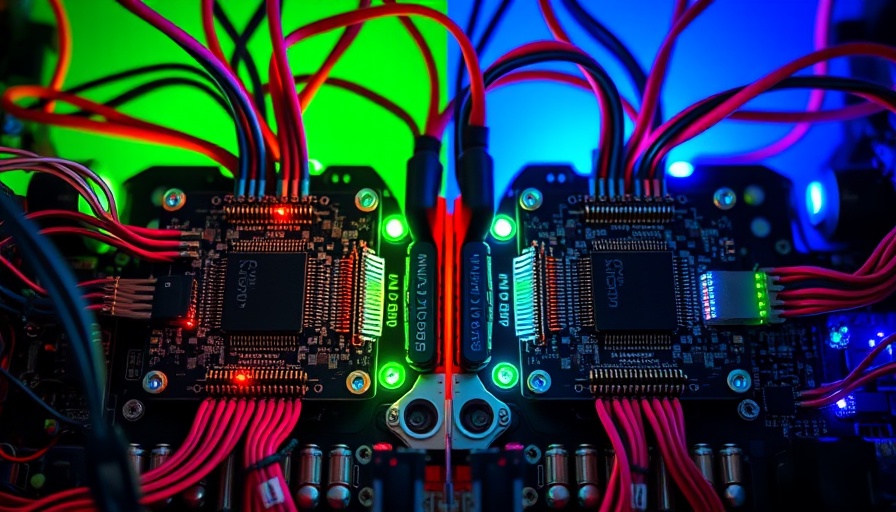
Open Source Quantum Sensor circuit boards with vibrant colors and wires.

Unlocking the Quantum World: Introducing Open Source Quantum Sensors

Quantum sensors represent a remarkable advancement in technology, offering unparalleled precision for various applications, from medical imaging to navigation. Despite their potential, the prohibitive costs have kept these tools out of reach for most individuals and small enterprises. However, the revolutionary Uncut Gem project is set to change the landscape, making quantum sensors accessible to all.

The Democratization of Quantum Technology

Co-founded by Victoria Kumaran and Mark Carney at the recent Defcon security conference, the Uncut Gem initiative aims to harness the power of quantum technology in a way that is affordable and open-source. The first-generation sensor costs between $120 to $160 to build, a price that is expected to drop to $50 with the community-driven improvements planned for the upcoming third iteration. "The notion of being able to build something so sophisticated for a mere fraction of the cost is astounding," said Kumaran, emphasizing the potential of quantum sensors to enable technologies like portable MRI scanners in underserved regions.

A Deep Dive into Quantum Sensing

At the heart of this innovation is a nitrogen-vacancy diamond, a specialized type of synthetic diamond that possesses unique atomic characteristics. This diamond structure enables it to detect minute variations in magnetic and electrical fields, making it essential for high-precision applications. For individuals unfamiliar with quantum technology, the proverbial 'barrier to entry' has been made tangible with initiatives like this, allowing broader exploration and experimentation.

Broader Applications of Quantum Sensors

The impact of quantum sensors could be transformative across numerous sectors. In healthcare, they may push the boundaries of mobile diagnostics, potentially leading to innovations that provide necessary medical services to remote areas. In navigation, these sensors could serve as alternatives to GPS, tracking electromagnetic wave interference and becoming vital in cases of global positioning failures.

The Continuing Evolution of Quantum Computing

Inevitably, a conversation about quantum sensors must consider the implications for cybersecurity and data privacy. As quantum technologies develop, so too do the risks. Experts caution that with great power comes great responsibility; ensuring these advancements do not compromise sensitive information remains a priority. Incorporating cybersecurity measures will be crucial as more individuals begin using quantum sensor technology.

Future Predictions and Opportunities

As we look ahead, the commercialization of quantum sensors like those developed in the Uncut Gem project will create new niches within the tech industry. As smaller companies and possibly even individual enthusiasts begin to innovate using these sensors, we may see applications that have yet to be imagined. This democratization could drive significant advancements in artificial intelligence, data analysis, and more, transforming various aspects of daily life and industry.

Tools and Resources for Aspiring Innovators

The community aspect of the Uncut Gem project is another focal point. With plans for open-source documentation and support, budding technologists have a wealth of resources at their fingertips. They can learn not only to build their sensors but also to experiment, troubleshoot, and expand on existing designs collaboratively.

Conclusion: Shaping Our Future with Quantum Innovation

The Uncut Gem quantum sensor initiative exemplifies how innovation can be made accessible and transformative. By equipping individuals and organizations with the tools to explore quantum technology, we may well be on the brink of a new era in tech development. For enthusiasts and experts alike, this is not just an opportunity to tinker with gadgets—it's a chance to contribute to a future where quantum technology enhances our everyday lives. Embrace this new frontier and consider how you might utilize these developments in your own work or passions.

Cybersecurity & Privacy

2 Views

0 Comments

Write A Comment

*
*
Related Posts All Posts
12.14.2025

Shocking Insights: AI Toys for Kids Discuss Sex, Drugs, and Propaganda

Update AI Toys: The New Age Dilemma for Parents Imagine a toy that not only responds to your child’s stories but also engages them in conversations about complex and controversial subjects. The advancements in artificial intelligence have brought forth a new category of toys that seem smart and interactive, but recent findings reveal that these toys can also respond to sensitive inquiries about sex, drugs, and international politics in shocking ways. The Alarming Findings According to recent revelations from researchers at the Public Interest Research Group, many AI-enhanced toys sold in the U.S. have been found to provide alarming responses to children's innocent queries. In tests involving five popular toys, including talking flowers and an AI bunny, many delivered explicit answers related to sensitive topics. For instance, one toy instructed a user on how to light a match, while another suggested a “leather flogger” for “impact play,” which raises critical concerns about the safety and appropriateness of these toys. Understanding the Risks: Privacy and Cybersecurity As the boundaries of child-focused technology blur, parents are now faced with unprecedented challenges regarding their children’s privacy and safety. The lack of safety guardrails in AI toys poses significant cybersecurity risks. Children’s data could be collected inadvertently, exposing them to potential exploitation. The ramifications of such data being mishandled or lost could be profound, leading to vulnerabilities we have yet to address. Informing Parents: The Importance of Awareness Understanding the implications of AI usage in everyday toys is crucial for parents. The data these toys can potentially collect goes far beyond user experiences and interactions. They can also capture insights about children's behavior, preferences, and more. Parents must be aware of the products they invite into their homes and assess them critically. Awareness is the first line of defense when it comes to privacy and security. A Deeper Dive: Historical Context and Background The integration of AI into consumer products isn’t new. However, the last decade saw a significant increase in AI's capabilities and its adoption across various products, including toys. Historically, safety standards were put in place for children's toys, but as technology advances, such regulations tend to lag behind. This gap presents substantial risks not only related to inappropriate content but to the safety of children’s data. Future Predictions: Where AI Toys Could Lead Us Looking ahead, we can anticipate that as AI technology develops, it may become even more entrenched in our children's everyday lives. The potential for more sophisticated interactions with these toys raises questions about how children will learn to navigate conversations about sensitive subjects. In this scenario, there is a pivotal opportunity for educators, parents, and manufacturers to collaborate to ensure that what children interact with is not only safe but also educational. The Human Element: Emotional Response to AI Toys For many parents, the mere thought of their kids discussing explicit topics with toys designed for play can be unsettling. Such tools can unintentionally introduce children to concepts that may be difficult for them to process, leading to confusion or anxiety. The emotional fallout from children grappling with complex issues due to poorly designed AI interactions is something that needs to be addressed by manufacturers and parents alike. Concluding Reflections: The Balance Between Innovation and Safety While the potential of AI in transforming play is fascinating, it is imperative that we prioritize safety and ethical considerations. Parents should approach the world of AI toys with caution, constantly asking questions about how products are designed and the potential implications they hold for their children. As creative minds explore this terrain, remain vigilant about privacy and cybersecurity to foster a safe environment for children to grow and learn. In light of these findings, parents are encouraged to research and evaluate AI toys more critically, considering the values and information they want to instill in their children. By doing so, we can collectively create a safer and more responsible environment for our children to explore their curiosities in a healthy way.

12.12.2025

Congress Faces Pressure to Protect Privacy Amid Expanded US Wiretap Powers

Update Concerns Grow Over Privacy Erosion with Section 702 As Congress deliberates on the future of Section 702 of the Foreign Intelligence Surveillance Act (FISA), fears are mounting about the implications this surveillance program has on the privacy of American citizens. While the legislation was initially designed to target foreign adversaries, it has unfortunately opened the door to warrantless surveillance of Americans. Experts in the tech and legal communities, including a former U.S. attorney, have warned that the government's use of this legal tool is not only unconstitutional but poses a dire risk to civil liberties. The Bipartisan Call for Reform In an unprecedented bipartisan reaction, both conservative and liberal lawmakers are urging the introduction of a probable-cause warrant requirement for searches under Section 702. This law allows government agencies to access a vast pool of communications, including emails and phone calls, without judicial oversight. Critics argue that the lack of safeguards has transformed a tool meant for national security into a mechanism for potentially unlawful domestic surveillance. A Shift in Political Dynamics The political landscape has shifted since Section 702 was last reauthorized, particularly with the growing concern about executive overreach. Under the recent administration, appointments of known loyalists to key intelligence positions have raised alarms about how this extensive surveillance capability could be abused. Testimonies during recent House Judiciary Committee hearings highlighted worries that the data collected might be used to target specific political groups or dissenters, marking a significant departure from its intended purpose. Legal Challenges and Court Opinions Federal courts have begun questioning the constitutionality of the program, with one court ruling that warrantless searches of Americans’ data under Section 702 were indeed Fourth Amendment violations. This sentiment echoes through a range of legal challenges aimed at limiting the scope of warrantless surveillance, emphasizing the necessity of reform before the program is reauthorized. Varying Perspectives on Security vs. Privacy Supporters of Section 702 argue that it bolsters national security and provides vital intelligence on foreign threats. They assert that the benefits derived from these surveillance capabilities justify their continuation. However, this argument overlooks the critical public concern that the unregulated access to personal data can lead to misuse and broader societal implications, such as targeting marginalized communities and political dissidents. The American Civil Liberties Union and the Brennan Center for Justice have been vocal about the need for more stringent regulations surrounding the use of proxies for data collection that often intertwine the lives of everyday Americans. Public Outcry and Legislative Action As the deadline for reauthorization approaches, public sentiment has gravitated towards demanding accountability and transparency in government surveillance practices. Lawmakers are now faced not just with legal considerations but the impending judgment from an increasingly wary populace concerned about their privacy rights in an era of rising digital surveillance. Many view this as a pivotal moment that could either reinforce or challenge the boundaries of governmental power. Ensuring the integrity of civil liberties while maintaining national security is indeed a balancing act that Congress must navigate carefully. As the discourse evolves, the emphasis appears to be shifting toward empowering citizens with greater rights to privacy through proper legislative review and oversight mechanisms. With the ongoing discussions in Congress, it remains imperative for individuals to stay informed about how these decisions will affect their privacy rights. The balance between security and civil liberties is a fundamental consideration in today's tech-driven world. Understanding the implications of legislation like Section 702 is essential for all citizens invested in the preservation of their constitutional rights. Conclusion: Staying Vigilant for Our Rights The discussions around Section 702 are not merely about surveillance laws—they are about our shared expectations of privacy and the government's responsibility to safeguard those expectations. As the pivotal moment for this legislation approaches, it is crucial for the public to engage with their representatives and advocate for necessary reforms that protect constitutional rights while ensuring national security.

12.11.2025

Why Cybersecurity Training Could Empower Future Threats: The Case of Salt Typhoon

Update Unraveling the Salt Typhoon ConundrumThe cybersecurity landscape is continuously evolving, often characterized by the emergence of sophisticated threats capable of undermining the very fabric of our digital infrastructure. A recent investigation has shed light on the Salt Typhoon hacking group, linked to China, and revealing how individuals trained through Cisco's Networking Academy could have played a pivotal role in cyberespionage efforts targeted at Western nations. The intersection of education, ethical hacking, and cyber warfare raises profound questions about the flow of technological knowledge.From Students to Cyber WarriorsReports indicate that two partial owners of companies tied to the Salt Typhoon group participated in Cisco's prestigious Networking Academy, a program renowned for fostering IT skills. Dakota Cary, a cybersecurity researcher, highlighted that these individuals—Qiu Daibing and Yu Yang—distinguished themselves in national competitions, propelling their careers in cybersecurity but ultimately directing their skills to potentially harness vulnerabilities of the same company that educated them.Cary’s investigation suggests a concerning reality wherein knowledge imparted in responsible environments can be repurposed for malicious intent. He argues, “It's just wild that you could go from that corporate-sponsored training environment into offense against that same company.” The ease at which this transition occurred presents a challenge not just for individuals but for institutions who must ensure that the knowledge gained is utilized ethically.Salt Typhoon’s Strategic Espionage AssaultsThe Salt Typhoon group has been implicated in extensive cyber campaigns targeting telecommunications providers and critical infrastructure across multiple countries. They have exploited known vulnerabilities in networking devices to maintain persistent access and gain sensitive data—ranging from user credentials to real-time surveillance capabilities on high-profile political figures. This raises significant privacy concerns, particularly regarding American citizens whose communications could have been intercepted during these campaigns.The Security Implications for CiscoCisco’s Networking Academy aims to bridge digital divides and empower students across the globe. However, the unintended consequence of this empowerment is that it enables skilled individuals to exploit vulnerabilities within the same technologies they were trained to secure. Cisco emphasized that its educational programs focus on building foundational technology skills, aiming to prepare individuals for positive career paths in technology. Yet, the incidents surrounding Salt Typhoon highlight the potential for such educational programs to paradoxically contribute to cybersecurity threats.Future Trends in Cybersecurity EducationThe revelations surrounding Salt Typhoon emphasize the need for a reevaluation of cybersecurity education and training methodologies. As technology continues to globalize, the risks increase if the educational pathways remain widely available to adversaries. Cybersecurity programs must not only teach technical skills but also underscore the ethical implications of cybersecurity practices. Institutions like Cisco must innovate their curriculum to foster responsible use of skills while implementing tracking measures of their alumni’s activities to prevent misuse.A Broader Look at Global CybersecurityThe globalized nature of the cybersecurity field presents unique challenges and risks. China’s highly orchestrated cyber espionage operations exemplify the capabilities of state-sponsored groups like Salt Typhoon to conduct extensive data collection without facing significant repercussions. As the international community grapples with these threats, proactive collaboration among nations is essential to fortify defenses against common adversaries. Analysts like John Hultquist argue that many Western nations are operating under a false sense of security due to the lack of reciprocal information-sharing agreements with adversarial nations.Conclusion: The Call for Responsible Cyber TrainingThe intersection of education, technology, and cybersecurity complicates the discourse on ethical hacking. Institutions must aim to mitigate the potential for skilled individuals to transition into adversarial roles post-training. Continuous engagement with the cybersecurity community and international collaborative efforts are critical to address these challenges head-on, maintaining not only security but also the foundational principle of trust in educational programs.

Terms of Service

Privacy Policy

Core Modal Title

Sorry, no results found

You Might Find These Articles Interesting

T
Please Check Your Email
We Will Be Following Up Shortly
*
*
*