
Add Row
Add Element
AiTechDigest
update
AI Tech Digest
AiTechDigest
update
Add Element
  • Home
  • Categories
    • AI & Machine Learning
    • Future Technologies
    • Tech Industry News
    • Robotics & Automation
    • Quantum Computing
    • Cybersecurity & Privacy
    • Big Data & Analytics
    • Ethics & AI Policy
    • Gadgets & Consumer Tech
    • Space & Aerospace Tech
  • All Posts
  • AI & Machine Learning
  • Future Technologies
  • Tech Industry News
  • Robotics & Automation
  • Quantum Computing
  • Cybersecurity & Privacy
  • Big Data & Analytics
  • Ethics & AI Policy
  • Gadgets & Consumer Tech
  • Space & Aerospace Tech
June 27.2025
3 Minutes Read

Supreme Court's Age Verification Decision: Impact on Privacy and Free Speech

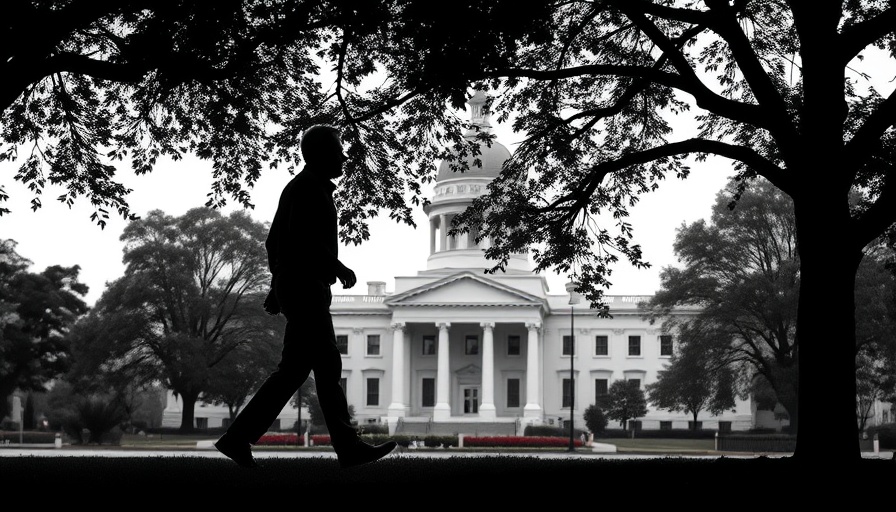
Silhouette of person near government building highlighting Texas Porn ID Law.

Unpacking the Supreme Court's Ruling on Texas Porn ID Law

The recent Supreme Court decision upholding the Texas age verification law has propelled a long-standing debate on internet privacy and free speech into the spotlight. In a landmark 6-3 ruling, the justices determined that this law, designed to ensure viewers of pornographic sites are at least 18 years old, is constitutional. This ruling does not just affect Texas; its ramifications could resonate across the entire United States and set precedents for future legislation on online content.

A Closer Look at the Texas Law

The Texas law, officially known as HB1181, mandates that adult websites verify the age of their users before granting access to content deemed inappropriate for minors. Websites that fail to comply face substantial fines—up to $10,000 per day and potential penalties totaling $250,000. While the majority of the justices deemed the law a reasonable constraint protecting minors, dissenting voices, notably from Justice Elena Kagan, argued that the law infringes on First Amendment rights by erecting barriers for legal adult access to protected content.

The Broader Implications for Privacy and Free Speech

This ruling raises significant concerns regarding digital privacy and the potential for overreach in governmental regulation of online content. Critics from digital rights organizations argue that the enforcement mechanisms tied to such age verification laws could lead to invasive practices including the collection of personal data. In questioning the future of personal privacy online, Martin Dempsey, an internet privacy advocate, posits that regulating adult access to sexually explicit material is not merely a legal issue, but an infringement of fundamental rights protected under the Constitution. “When we start placing age verification mechanisms on adult content, it opens the door to greater surveillance,” Dempsey emphasizes.

The Growing Trend of Age Verification Laws

Following Texas’s lead, more than half of U.S. states have considered or enacted similar age verification requirements. These trends suggest a movement toward stricter regulations on various types of online content, particularly in the realms of pornography and explicit materials. Some see these efforts as part of a larger agenda to control free speech online. As Jess Miers, a legal scholar at the University of Akron, suggests, “What starts as age verification could evolve into a system of broader censorship.” This evolving landscape is creating an urgent need for societies to balance safeguards for children and adults’ rights to access legal material.

Potential Consequences for Technology Companies

For tech companies, this ruling represents both a challenge and an opportunity. As they pivot to comply with new regulations, there may be implications beyond just adult sites. Companies involved in content distribution, social media, and even educational platforms may need to re-evaluate their user verification processes. Industry leaders are already discussing potential solutions such as requiring forms of identity verification that respect user privacy while still adhering to regulatory demands.

Future Predictions: What Lies Ahead?

Understanding the potential trajectory that online regulations might follow is essential in this digital age. As the legal and technological landscapes evolve, we could see developments such as:

  • More Stringent Privacy Laws: As public concern over data collection grows, we may witness the introduction of comprehensive privacy bills that address not just data protection but also related online content regulation.
  • Technology Adoption for Compliance: Websites may invest in advanced age-verification technologies to comply with laws, leading to innovations that respect user privacy while ensuring regulatory compliance.
  • Public Pushback: Ongoing public debate about parental control versus adult freedom of choice may lead to grassroots movements advocating for more balanced and nuanced regulations.

Final Thoughts on the Ruling

The decision upholding the Texas porn ID law is a crucial turning point for internet regulation, privacy, and free speech. As stakeholders from various sectors navigate these changes, it’s clear that the discourse surrounding age verification laws will continue to be a contentious issue—one that tests the boundaries of personal freedom and governmental control in the digital age. As we look ahead, staying informed and engaged will be vital for those invested in the intersection of technology and civil rights.

To further explore the evolving dynamics of internet regulation, privacy rights, and technological compliance, it is essential for both consumers and advocates to rally for transparency and accountability in how these laws are implemented.

Cybersecurity & Privacy

3 Views

0 Comments

Write A Comment

*
*
Related Posts All Posts
02.22.2026

Password Managers Expose Hidden Vulnerabilities: What You Must Know

Update Unraveling the Hidden Security Pitfalls of Password Managers Password managers have revolutionized the way we handle online security. They serve as vaults for our passwords, providing protection and convenience. However, recent studies have exposed troubling vulnerabilities within these popular tools. The security landscape is changing, and understanding the inner workings of password managers is essential for protecting your digital life. Critical Vulnerabilities Exposed A ground-breaking study conducted by researchers from ETH Zurich and the Università della Svizzera italiana has identified significant security flaws in major cloud-based password managers such as Bitwarden, LastPass, and Dashlane. It highlights that despite their claims of 'zero knowledge' encryption—where even the providers cannot access user credentials—these systems are susceptible to attack. The vulnerabilities identified span multiple attack vectors, from simple modifications of user data to complete access breaches. One of the study’s authors, Kenneth Paterson, expressed surprise at the severity of these vulnerabilities, stating that they expected a far higher security standard from these widely-used solutions. The Promise and Pitfalls of 'Zero Knowledge' Systems Password managers often advertise 'zero knowledge' systems as a way to reassure users that their data is secure against even the providers themselves accessing sensitive information. This design aims to protect against unauthorized access; however, the study reveals that this promise can easily unravel under specific circumstances. Attack paths developed by researchers show that insiders could manipulate systems to gain unwarranted access to users' vaults. For instance, flaws in key escrow mechanisms allowed unauthorized access in both Bitwarden and LastPass, revealing a necessity for better fundamental designs and more thorough scrutiny of claims made by service providers. Real-World Implications As password manager vulnerabilities come to light, the implications for users are significant. With these tools managing the keys to users' digital identities, any breach could result in identity theft or unauthorized access to sensitive accounts. The study underscored that this isn’t just theoretical—many users across the globe depend on these password managers to maintain their cyber hygiene. Furthermore, with millions of users relying on these tools, the potential risks scale exponentially, affecting not only individuals but also organizations that store sensitive information across shared vaults. Responses from the Industry Following the revelations, several password manager companies have confirmed they are working to rectify these vulnerabilities. Both Bitwarden and LastPass noted they are implementing countermeasures in response to the reported security flaws. Additionally, Dashlane has begun the rollout of enhanced security measures to sever reliance on outdated cryptographic methods, which have previously exposed users to unnecessary risks. While this is a positive step forward, users must remain vigilant about monitoring any updates and vulnerability disclosures from their password manager providers. What Steps Can You Take to Protect Yourself? Privacy-conscious users should take proactive steps to bolster their security posture. Here are several recommendations: Enable Multi-Factor Authentication: Utilize multifactor authentication where available. This adds a vital layer of security beyond just a password. Implement Unique and Strong Passwords: Ensure your master password is strong, unique, and not easily guessable. A passphrase can enhance its strength. Stay Informed: Regularly check for updates from your password manager about any new vulnerabilities or patches that need to be applied. Understand Sharing Mechanisms: Be cautious with shared vaults and ensure appropriate security measures are in place to mitigate risks in organizational settings. Conduct Independent Security Audits: If you're using password management at an organizational level, request independent audits to identify any potential weaknesses. These practices can help safeguard your information while the industry works to improve security standards. A Call for Scrutiny and Improvement The significant findings from ETH Zurich and USI serve as a wake-up call for both users and service providers. As more individuals and corporations turn to digital platforms for managing sensitive information, the importance of ongoing assessments and transparency cannot be overstated. The future of password management hinges on rigour in design, continued scrutiny, and the implementation of protective measures that genuinely uphold user privacy. As you navigate this evolving landscape, never stop questioning the security protocols that guard your digital identity. The responsibility for safety does not end with the installation of a tool. It demands active engagement and informed decision-making.

02.20.2026

Epstein’s Friendships with CBP Agents Raise Ethical Questions and Future Concerns

Update Unveiling Epstein’s Unraveling Network Following the shocking revelations surrounding Jeffrey Epstein, an infamous figure embroiled in sex crime allegations, new information has come to light regarding his connections with Customs and Border Protection (CBP) officers stationed in the U.S. Virgin Islands (USVI). Investigative records reveal that these relationships developed long after Epstein's 2008 conviction for sex crimes, displaying a significant willingness on the part of CBP personnel to accommodate Epstein's whims. This raises important questions about ethics, power dynamics, and potential implications for national security. How Friendly Ties Fostered Complicity Evidence suggests that Epstein actively cultivated friendships with specific CBP officers, inviting them over to his private island, Little Saint James, for helicopter rides and lavish meals. These interactions are indicative of Epstein's manipulative genius, as he endeavored to foster a network that might shield him from scrutiny. For instance, emails detail officers expressing eagerness to interact with Epstein, showing a clear breach of the professional boundaries expected in such roles. The Ethics of Potential Overreach Despite the substantial evidence showcasing a friendly rapport with officers, none faced criminal charges during investigations led by the Department of Justice. Experts in federal ethics have criticized such relationships, viewing them as inappropriate due to the potential for conflict of interest. A prominent ethics professor highlighted that even minor gifts can cause a perception of bias, especially from individuals like Epstein, who operated in unethical circles. Ripe for manipulation, Epstein’s connections underscore the vulnerability of law enforcement agencies when personal allegiances start to blur professional lines. Statistical Insights: Corruption in the Ranks? Understanding the degree of Epstein's impact on federal law enforcement is essential. Statistics indicate that personnel in positions similar to the CBP officers in question may face intense scrutiny due to similar corrupting influences. The fact that no recruits from such backgrounds faced criminal repercussions highlights gaps in oversight and accountability. This raises alarms about the systemic issues within agencies responsible for border security and citizen safety. Parallel Examples: A Global Perspective on Ethical Breaches Similar cases worldwide illustrate how power dynamics can lead to ethical breaches. In Europe, for instance, documented police investigations have unveiled officers colluding with criminal organizations. Such patterns highlight the universal concern of ethical governance and trust in public service roles. The Epstein case serves as an important cautionary tale about the need for constant vigilance against potential corruption within law enforcement. The Future of Ethical Oversight Moving forward, lessons from the Epstein investigations must inform how agencies like the CBP navigate relationships with influential figures. Future oversight mechanisms must be robust enough to detect and prevent corruption. This includes implementing stricter guidelines for personal interactions, increased transparency regarding officer behavior, and more rigorous protocols surrounding gifts and affiliations. Conclusion: Reflecting on Accountability The Epstein case exemplifies the pressing need for ethical scrutiny within law enforcement agencies. As the revelations unfold regarding Epstein’s connections with CBP officers, it’s pivotal for society to demand accountability. Individuals entrusted to enforce the law must wholly understand the impact of their actions, ensuring that such breaches of trust are not only confronted but rigorously prevented in the future.

02.19.2026

Exposed Social Security Numbers: A Looming Threat to Your Privacy?

Update Uncovering the Alarming Scale of Identity Theft Risks The digital world is abuzz with concern after cybersecurity experts discovered a vast, unprotected database containing sensitive personal information, including Social Security numbers (SSNs) of millions of Americans. This extensive dataset, estimated at around 2.7 billion records, poses a significant risk, highlighting the fragility of personal data privacy. The Threat Landscape: Is Your Information Safe? The recent finding was made by researchers at UpGuard, who were surprisingly galvanized when they validated their discovery of the database. Within it lies data that could be traced back to multiple historical breach incidents. While not all records may be legitimate, the potential number of valid Social Security numbers is staggering—approximately 675 million if extrapolated from sampled data. This situation paints a stark picture of the ongoing risks associated with identity theft, with questions surrounding the effectiveness of current cybersecurity measures. Historical Context: A Growing Crisis This incident is not isolated. The exposure of personal information has been a chronic issue exacerbated by how frequently organizations experience breaches. For instance, the infamous Equifax breach in 2017 still reverberates today, remindingus of the long-term implications such exposures can have on individuals' financial lives. Why Old Data Still Presents a Threat Interestingly, old data from breaches can still be remarkably useful for cybercriminals. Many individuals reuse email addresses and passwords across multiple accounts, which means that even aged login credentials can lead to successful hacking attempts. What’s more concerning is that SSNs typically do not change, making them particularly valuable in the hands of those intent on committing fraud. Current Events: Legislative Action Needed? With whistleblower complaints surfacing about potential mismanagement of Social Security data, the urgency for congressional investigation into this breach escalates. The call for action amplifies when considering that these data management failings may result in unprecedented levels of identity fraud for individuals, especially the most vulnerable populations. Protecting Yourself from Potential Risks In light of these threats, all Americans are urged to stay vigilant. Regularly checking financial accounts, creating accounts with the Social Security Administration to monitor personal data, and utilizing resources such as IdentityTheft.gov are proactive steps one can take to safeguard against identity theft. Looking Ahead: Future Trends in Cybersecurity The evolving nature of data breaches indicates that cyber threats will only continue to grow. The importance of robust cybersecurity frameworks and best practices becomes all the more vital in protecting against potential national security issues resultant from widespread data exposures. As companies and individuals navigate this complex landscape, understanding the historical patterns of breaches can offer lessons for future mitigation strategies. In conclusion, while this latest data exposure serves as a wake-up call, it also offers an opportunity for individuals to implement preventative measures to audit their personal data safety. As the challenges of digital identity theft grow ever more intricate, the onus remains on both institutions and individuals to respond proactively to safeguard their private information.

Terms of Service

Privacy Policy

Core Modal Title

Sorry, no results found

You Might Find These Articles Interesting

T
Please Check Your Email
We Will Be Following Up Shortly
*
*
*