
Add Row
Add Element
AiTechDigest
update
AI Tech Digest
AiTechDigest
update
Add Element
  • Home
  • Categories
    • AI & Machine Learning
    • Future Technologies
    • Tech Industry News
    • Robotics & Automation
    • Quantum Computing
    • Cybersecurity & Privacy
    • Big Data & Analytics
    • Ethics & AI Policy
    • Gadgets & Consumer Tech
    • Space & Aerospace Tech
  • All Posts
  • AI & Machine Learning
  • Future Technologies
  • Tech Industry News
  • Robotics & Automation
  • Quantum Computing
  • Cybersecurity & Privacy
  • Big Data & Analytics
  • Ethics & AI Policy
  • Gadgets & Consumer Tech
  • Space & Aerospace Tech
May 25.2025
2 Minutes Read

SpaceX’s Flight 8 Failure Explained: Lessons Learned from the Explosion

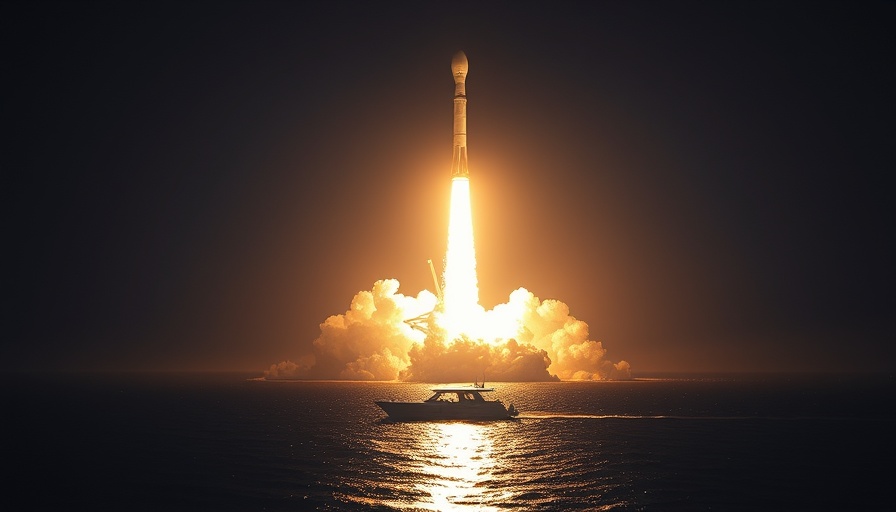
SpaceX Starship Flight 8 explosion illuminating night sky over ocean.

Why SpaceX's Starship Flight 8 Failed: A Detailed Analysis

As the excitement builds for the upcoming Starship Flight 9, SpaceX has taken a significant step in understanding the failure of its previous test flight, Flight 8, which launched on March 6 from the company’s launch facility in Texas. The investigation sheds light on the intricacies of rocket engineering, revealing how even minor malfunctions can lead to major failures.

What Went Wrong? Understanding the Flash

During Flight 8, SpaceX experienced a catastrophic incident involving a 'flash' in one of the Raptor engines located in the spacecraft's 'basement,' as described by the company. While Flight 7 succumbed to a fire in its upper stage, Flight 8's demise was traced to what SpaceX termed as "inadvertent propellant mixing and ignition" in one of the center Raptor engines.

The flash initiated a sequence of unfortunate events: the engine shut down, followed by a domino effect causing two additional Raptor engines to lose thrust. This resulted in the Starship tumbling uncontrollably, eventually triggering its automated flight termination software to self-destruct around two minutes post-initial flash. Understanding this sequence is critical for future missions as SpaceX iterates its designs and processes.

The Broader Implications of Rocket Failures

Failures in aerospace technology, while alarming, often serve as vital learning opportunities. Each explosion or malfunction provides engineers with insights that can lead to improved safety and reliability in future designs. As SpaceX acknowledged, the hardware failure in the center Raptor engine of Flight 8 is a case in point. The knowledge gained from this investigation is invaluable, illustrating how unforeseen issues can arise even in meticulously designed systems.

Moreover, these failures remind us of the challenges inherent in pushing the boundaries of technology and innovation. They underscore the importance of rigorous testing and quality assurance in the aerospace sector, where the stakes are astronomically high.

Looking Forward: Steps to Enhance Safety

In light of these findings, SpaceX is taking proactive measures to prevent similar occurrences in upcoming flights. The company revealed that it has "reinforced the affected components" to address the thermal issues that caused the ignition problems.

The ongoing commitment to innovation while learning from past failures is a hallmark of SpaceX's culture. As the field of space exploration advances, the lessons drawn from Flight 8 will undoubtedly contribute to enhanced designs and protocols, driving the industry forward.

Conclusion: The Journey of Innovation Continues

SpaceX's continuous quest for innovation amidst challenges encapsulates the dynamic nature of the aerospace industry. With each flight comes a fresh set of learnings that refine technology and processes, ultimately fostering advancements that push human boundaries in space exploration.

As we anticipate the future, the knowledge gained from these unfortunate events will be instrumental in shaping a safer, more reliable space travel experience.

For those eager to follow engineering breakthroughs, keep an eye on SpaceX as they prepare for Flight 9, armed with insights from their journey.

Future Technologies

2 Views

0 Comments

Write A Comment

*
*
Please complete the captcha to submit your comment.
Related Posts All Posts
04.08.2026

Unveiling the Cosmic Soundscape: How Rocky's Alien Voice Was Crafted

Update Decoding Rocky: How Sound Designers Brought an Alien to LifeIn the realm of science fiction, the question of what aliens might sound like remains tantalizingly elusive. But in the recent blockbuster "Project Hail Mary," this mystery is solved through the innovative collaboration of Oscar-winning sound designers Ethan Van der Ryn and Erik Aadahl. Tasked with creating the voice of the endearing Eridian creature named Rocky, they relied heavily on the organic sounds of the natural world, even experimenting with surprising animal sound influences.The creative duo, known for their work in films like "A Quiet Place" and "King Kong," strived to craft a unique language that mirrors Rocky’s character—an alien interpretation of consciousness and emotion. Drawing inspiration from author Andy Weir’s book, they explored how the soundscape could not only enhance the storytelling but also create an authentic connection between Rocky and astronaut Ryland Grace, portrayed by Ryan Gosling.Embracing Nature's SymphonyOne of the most groundbreaking aspects of their sound design was the use of animal sounds, a decision that distinguishes "Project Hail Mary" from other sci-fi ventures. Van der Ryn and Aadahl sifted through an impressive variety of organic influences, from bird calls to whale songs, ultimately culminating in a language that, while unique, harbors familiar nuances. "When Rocky is feeling serious, he speaks in deeper tones akin to whale song; when he's excited, the pitch rises to that of a piccolo," Aadahl explained. This ambitious endeavor included 250 unique words and tonal variations that enriched the film's narrative arc.The Creative Challenges of Alien CommunicationCreating a non-human language invites complexity. Van der Ryn described the initial attempts at crafting Rocky's voice as a process rife with trial and error. Their journey of discovery involved not just sound technology but also traditional instruments; the ocarina, for instance, proved to be a vital component, providing a natural breath and flexibility in tone. This layered approach conjured up an alien language that feels alive and dynamic, aligning perfectly with the film's theme of communication across species.Sound as a Reflection of Intelligence and EmotionSound design in "Project Hail Mary" operates on multiple levels. The aim was to channel Rocky's essence and convey his thoughts and feelings through sonic modulation. Aadahl emphasized that the goal was to ensure that the sounds conveyed vital cues about Rocky's emotional state. With instruments ranging from contralto flutes to bird calls, they aimed to evoke the intelligence beneath Rocky's unique species.In using everyday sounds to recreate Rocky's voice, Aadahl and Van der Ryn turned a straightforward dialogue of science fiction into something deeply emotive and relatable. The requirement for a grounded authenticity led them to refrain from synthetic sounds, opting instead for organic vocal expressions that resonate with audiences on a profound level.Reflection on Innovation in Sound DesignThe challenges posed by "Project Hail Mary" reflect the integral role sound plays in enhancing visual storytelling. As Aadahl pointed out, the sound design team wasn't just creating noises; they were imbuing the film with a narrative connection. Emphasizing a collaborative ethos, he reflected on how their process mirrored the larger thematic elements of the story: a quest for communication. In a world where technology often eclipses nature, grounding their work in authenticity showcased the potential of sound as an innovative tool for storytelling.Conclusion: The Joy of Collaboration and DiscoveryThe partnership of Aadahl and Van der Ryn reveals the often-overlooked artistry in film sound design. Through their innovative approaches, they transformed the sonic representation of an alien into something relatable, highlighting the universal pursuit of understanding across species. Their dedication not only enhances the cinematic experience but brings to life the theme that underpins "Project Hail Mary": the power of communication in any form.

04.08.2026

What the EpiGPTope AI Epitope Library Means for Future Vaccines

Update Revolutionizing Vaccine Development: The EpiGPTope Breakthrough The introduction of epiGPTope, a groundbreaking AI-powered epitope library developed by the CIC biomaGUNE Center, marks a significant leap forward in the field of biotechnology and cancer immunotherapy. This innovative system utilizes advanced machine learning algorithms to systematically identify and classify synthetic epitopes—small fragments of proteins recognized by antibodies—in a way that streamlines the development of vaccines, biosensors, and diagnostic tools. At the core of this innovation is the intelligence to sift through millions of potential epitope combinations swiftly, significantly optimizing production processes compared to traditional methods. A major advantage of epiGPTope is its ability to discern whether a particular epitope is derived from a bacterium or a virus, thus creating a targeted library of relevant sequences. This specificity can provide substantial benefits in clinical applications, where quick and accurate identification of pathogens is essential. Biosensors and Point-of-Care Diagnostics: A New Frontier The applications of this epitope library extend beyond vaccine development. As noted by research associate Aitor Manteca, the protein fragments generated are not merely confined to laboratory experiments. Following screening, they can be integrated into microfluidic systems, which enable precise and rapid testing against specific antibodies. This approach allows for the simultaneous analysis of numerous combinations, enhancing the throughput and efficiency of diagnostic processes. These advancements have the potential to revolutionize point-of-care diagnostics, particularly in developing rapid tests capable of identifying bacteria or viral infections in various samples—be it blood, water, or otherwise. The integration of AI into these technologies not only makes them faster but also cheaper and more accessible, addressing a critical demand in global healthcare. Personalized Immunotherapy: The Role of AI As the conversation on AI in healthcare continues to expand, personalized cancer vaccines stand at the forefront of this transformation. Techniques developed in personalized vaccination align with the predictions of tumor-specific neoantigens, enabling the design of targeted immunotherapies that elicit robust immune responses against cancer cells. The synergy between artificial intelligence and immunotherapy has shown potential in tailoring vaccine strategies to individual patients, allowing for adjustments based on their unique genetic makeup and the evolving nature of their tumors. For instance, recent studies utilizing AI algorithms have enabled the identification of neoantigens from a patient’s specific tumor profile, paving the way for highly personalized treatments. Ethical Considerations in AI and Vaccine Development Amid the excitement surrounding these advancements, ethical concerns surrounding data privacy and algorithmic bias remain paramount. Ensuring transparency in the development and deployment of these AI technologies is essential to maintain public trust and safeguard individual rights. Consequently, the prospect of AI in vaccine development is not just about technological prowess but equally about navigating the complex ethical landscape. Consequently, researchers and companies must engage with regulatory bodies early in the process to establish guidelines that govern the use of AI in clinical settings while also addressing any potential biases in the algorithms that guide patient treatment decisions. Looking Ahead: The Future of Cancer Vaccines As we contemplate the future of cancer treatment, the role of AI in vaccine development emerges as not only innovative but necessary. With efforts invested in enhancing biological and computational techniques, the convergence of AI, biotechnology, and immunology heralds a new era in personalized medicine. From refining vaccine designs to identifying novel targets for immunotherapy, the implications of these advancements are vast and promise better patient outcomes in the fight against cancer. In conclusion, as the field moves forward, it is imperative to foster interdisciplinary collaboration among biologists, data scientists, and ethicists to fully harness AI’s potential in immunotherapy and ensure a sustainable future for cancer vaccines.

04.06.2026

Trump's Proposed NASA Science Funding Cuts: Critical Impact on Innovation

Update Trump's Proposed NASA Budget Cuts: A Closer Look In a move that echoes budgetary attempts from previous years, the Trump administration has again proposed a significant cut to NASA's science funding for the fiscal year 2027. This proposal suggests a 47% reduction in the budget for the Science Mission Directorate, dropping it from $7.25 billion to approximately $3.9 billion. This drastic measure, if approved, would signify the largest single-year cut in NASA's science funding history, heightening concerns among advocates and experts alike about the potential risks to U.S. leadership in space science and exploration. Understanding the Implications of Budget Cuts The repercussions of these proposed cuts stretch far beyond immediate financial implications. They threaten to disrupt several key projects that form the cornerstone of NASA's scientific endeavors. Significant projects like the Nancy Grace Roman Space Telescope, which promises to enhance our understanding of the universe, as well as missions targeting Saturn's moon Titan, like Dragonfly, could face delays or cancellations. Bipartisan Resistance Signals Future Debates The proposed reductions are not new; they closely mirror the unsuccessful budget cuts proposed during the FY 2026 cycle. Last year's proposal faced bipartisan backlash, resulting in Congress approving a budget of $24.4 billion for NASA, ensuring that science funding remained intact. Support for balanced funding is evident, as congressional members recently co-signed letters urging a $1.75 billion increase in NASA's science budget. This consistent resistance highlights the support for NASA's dual focus on exploration and scientific research, evoking a broader societal consensus against steep cuts. The Balance Between Science and Human Exploration Critics emphasize a troubling trend in prioritizing human exploration, such as the Artemis program, at the expense of scientific initiatives. While human endeavors to return to the moon have historic significance and could offer technological advancements, they must not overshadow the critical nature of continuous scientific exploration. The benefits derived from understanding planetary systems, astrophysics, and climate observation are integral to maintaining innovation and adapting to the global needs of today. What This Means for Innovation and Future Ready Strategies Innovation in space science should be viewed as an essential element of technological progress. Funding reductions could stifle vital research that bears profound consequences for humanity's understanding of its place in the cosmos. As the world faces pressing challenges such as climate change and resource management, continued investment in scientific exploration offers pathways to innovative solutions. By maintaining a balanced budget that supports both exploration and scientific research, the U.S. can position itself as a leader in space, technology, and scientific inquiry. What's Next? The Path Ahead for NASA and Congress As the debate around the proposed budget unfolds, Congress plays a crucial role in shaping NASA's future. Historically, lawmakers have rejected extreme cuts to science, emphasizing the need for a balanced approach. The coming months will see intense discussions on the proposed cuts, reflecting a broader concern for ensuring that NASA remains not only an agency of exploration but also a beacon of scientific discovery. Those interested in the future of space exploration and innovation should stay informed and engaged in this critical dialogue, advocating for a balance that ensures both human and scientific missions can thrive.

Terms of Service

Privacy Policy

Core Modal Title

Sorry, no results found

You Might Find These Articles Interesting

T
Please Check Your Email
We Will Be Following Up Shortly
*
*
*