
AI Meets Health: A Breakthrough in Vitamin C Detection
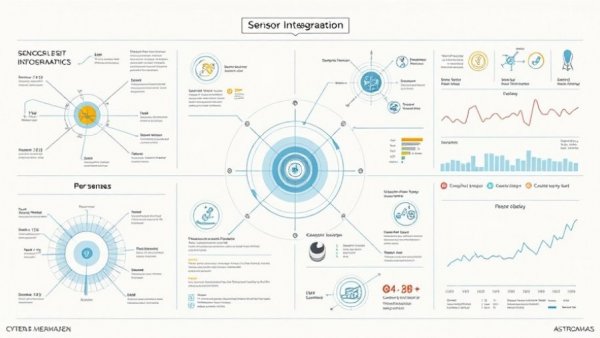
In a groundbreaking development, researchers at Sungkyunkwan University (SKKU) have fused artificial intelligence (AI) with sensor technology to create an ultrasensitive electrochemical sensor that can detect remarkably low levels of vitamin C. This advancement not only highlights the potential of AI in the healthcare sector but also paves the way for improved nutritional monitoring and health assessments.
The Role of AI in Sensor Design
Traditionally, developing sensitive electrochemical sensors for nutrients like vitamin C called for extensive trial-and-error experimentation. Professor Jinsung Park and his team shifted this paradigm by using a machine learning approach to optimize the sensor fabrication process. Rather than testing every possible combination of materials and conditions, they utilized AI to predict the best configurations. This reduction in experimental workload enables faster and more efficient sensor production, ultimately leading to rapid advancements in health diagnostics.
Understanding Molecularly Imprinted Polymers
The innovative sensor utilizes a specialized material known as a molecularly imprinted polymer (MIP), designed to recognize and bind specifically to vitamin C molecules, much like a key fitting into a lock. This characteristic enables the sensor to selectively identify vitamin C even in complex biological samples like human serum or urine. The ability to identify vitamin C's presence and concentration in such samples is critical for understanding nutritional health, particularly given vitamin C's role in immune function and as an antioxidant.
A New Dawn for Nutritional Monitoring
The implications of this research extend far beyond just vitamin C. The ability to monitor nutrient levels in real-time opens the door to personalized nutrition, where healthcare professionals can tailor dietary recommendations based on precise readings. In a society increasingly focused on wellness and health optimization, having such tools at our disposal can revolutionize how we approach nutrition.
AI's Future in Biomedical Applications
As indicated by Daeil Park, a key doctoral researcher in the project, the next phase involves leveraging AI not just for optimization but also to recommend the most suitable sensing materials. This promises a transformational shift in how biomedical sensors are developed, setting the stage for advanced diagnostics that could address various disease-related biomarkers and harmful environmental substances. With these innovations, we might soon have sensors that not only detect crucial nutrients but also indicate health risks, making them invaluable tools in preventive medicine.
Conclusion: An Inspiring Journey
This research is more than a mere technological advance; it’s a reflection of how interdisciplinary approaches can bridge gaps in healthcare and technology. As we look to the future, the collaboration between biology, biotech, and AI will likely lead us to new heights in health understanding and management. Embracing these technologies can empower us to take greater control of our well-being.




Write A Comment