
The Dawn of New Defense Technologies
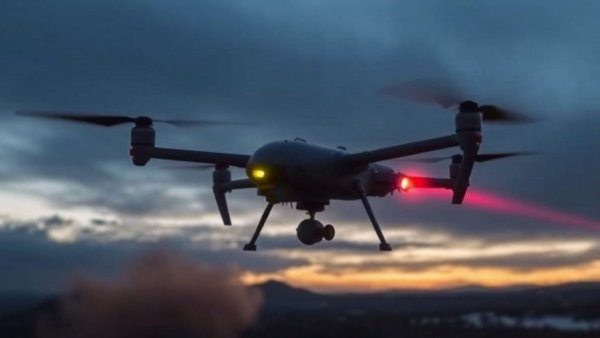
In a landmark achievement, Ukraine's military has successfully downed a Russian Shahed drone using its advanced Blysk laser system. This event marks a pivotal moment in military technology, showcasing not only the effectiveness of directed energy weapons but also Ukraine's ability to innovate rapidly in the face of conflict.
How Laser Technology is Shaping Defense
Laser systems, though still in their infancy, are rapidly evolving in the modern battlefield. The success of the Blysk laser points to a future where drones, often seen as the new aerial threats, can be neutralized swiftly and with precision. Unlike traditional missile systems, lasers can be fired continuously, offering a sustainable approach to air defense without the logistical burden of reloading precious munitions.
The Strategic Implications
This development holds significant implications for aerospace and defense strategies globally. Other nations will likely accelerate their research into similar technologies, recognizing that such innovations could redefine aerial engagement rules. Furthermore, the emotional toll of warfare can potentially lessen by relying on precise technologies rather than explosive projectiles, paving the way for a more humane approach to conflict.
Future Trends in Military Technologies
Looking ahead, advancements in artificial intelligence and machine learning could enhance the accuracy and efficiency of laser systems in targeting various aerial threats. Collaborations between nations and private tech companies will be integral as they aim to develop more sophisticated applications of laser technology for defensive measures.
As laser weaponry continues to gain traction, we might see it integrated not just in military contexts but also in civilian applications, such as protecting critical infrastructure from aerial threats. This intersection of military and consumer technology exemplifies the dual-use potential of innovations birthed from necessity.




Write A Comment