
AiTechDigest
update
AI Tech Digest
AiTechDigest
update
  • Home
  • Categories
    • AI & Machine Learning
    • Future Technologies
    • Tech Industry News
    • Robotics & Automation
    • Quantum Computing
    • Cybersecurity & Privacy
    • Big Data & Analytics
    • Ethics & AI Policy
    • Gadgets & Consumer Tech
    • Space & Aerospace Tech
  • All Posts
  • AI & Machine Learning
  • Future Technologies
  • Tech Industry News
  • Robotics & Automation
  • Quantum Computing
  • Cybersecurity & Privacy
  • Big Data & Analytics
  • Ethics & AI Policy
  • Gadgets & Consumer Tech
  • Space & Aerospace Tech
May 26.2025
2 Minutes Read

Exploring Self-Powered Jellyfish Cyborgs for Ocean Monitoring: What You Need to Know

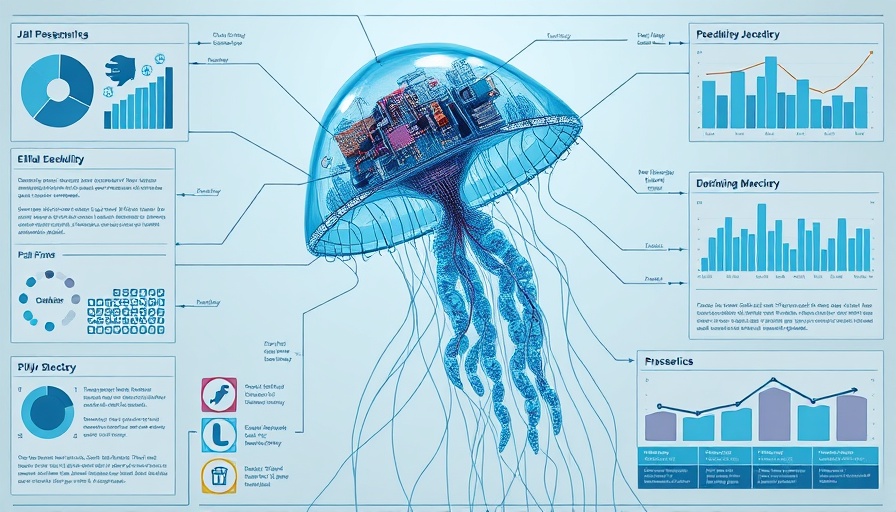
Self-powered jellyfish cyborgs, scientific diagram with tech components.

Unlocking the Secrets of the Ocean with Jellyfish Cyborgs

Recent advancements in robotics and artificial intelligence (AI) have brought forth unprecedented possibilities in ocean exploration. Tohoku University researchers are diving into these innovations by harnessing the unique locomotion of jellyfish, creating self-powered jellyfish cyborgs that could significantly impact environmental monitoring and conservation efforts.

Understanding Jellyfish: Nature's Efficient Swimmers

Jellyfish are fascinating creatures that manage to traverse vast distances through water with incredible energy efficiency. Unlike traditional marine animals, they lack bones and instead have a simple nerve net, which allows them to use their soft bodies to create a jet propulsion system for movement. This natural style of propulsion is referred to as "embodied intelligence," highlighting how their physical form contributes to their exploration capabilities.

The Research Behind Jellyfish Cyborgs

Led by associate professor Dai Owaki from Tohoku University, the team experimented with modulating jellyfish swimming behavior using gentle electric pulses. By placing miniature electrodes on their muscle rings and emitting timed electric signals, researchers could influence the jellyfish’s swimming speed—for the first time enhancing their natural movements without compromising their well-being.

This emerging technology could provide solutions for monitoring coral reefs, tracking oil spills, and keeping a close watch on climate change effects in remote oceanic regions. As humans continue to impact marine ecosystems, such innovative methods will become pivotal in their protection and conservation.

AI’s Role in Jellyfish Navigation

Coupling the jellyfish's natural abilities with AI marks a remarkable intersection of biology and technology. The researchers developed a lightweight AI model that predicts the jellyfish's swimming movements, enhancing the effectiveness of monitoring systems. This hybrid approach allows for energy-efficient oceanic probes, tailored to function without hefty environmental footprints.

Future Applications: A Sustainable Approach to Ocean Research

As the world grapples with climate change and its consequences, utilizing self-powered jellyfish cyborgs represents a potential game-changer for environmental research. By bypassing traditional power-hungry tools, this new methodology not only seeks to gather vital data but also aims to do so responsibly and sustainably.

Rethinking Marine Exploration

This pioneering study invites critical discussions about the role of emerging technologies in marine biology. With machine learning and AI entering the realm of ecological exploitation, there is a pressing need to consider ethical implications alongside technological advancements. Understanding how our innovations impact the very ecosystems we aim to protect is imperative.

Conclusion: The Future of Ocean Research Awaits

The implications of these developments extend far beyond jellyfish cyborgs. As we stand at the crossroads of technology and environment, it is essential for tech enthusiasts and environmental advocates to champion responsible innovation. The potential for jellyfish cyborgs to enhance our understanding of ocean health while minimizing human impact highlights the importance of integrating technology within marine research methods.

AI & Machine Learning

3 Views

0 Comments

Write A Comment

*
*
Please complete the captcha to submit your comment.
Related Posts All Posts
05.23.2026

AI Allegations Cast Shadow Over Commonwealth Literary Prize Winner

Update Understanding the Controversy Surrounding AI in Literature The recent win of Jamir Nazir for his story "The Serpent in the Grove" in the 2026 Commonwealth Short Story Prize has sparked intense debate over the implications of artificial intelligence in creative writing. Accusations that Nazir's work may have been generated using AI tools like ChatGPT raise essential questions about authorship, artistic integrity, and the evolving landscape of literature. What Sparked the Debate? After the announcement of this prestigious award, critics quickly examined Nazir’s writing style and phrasing. Many noted linguistic patterns typical of AI-generated text. For instance, an AI researcher highlighted the overuse of phrases like "not X, not Y, but Z," which is often a telltale of machine-generated writing. Previous entries in the prestigious award had not faced such scrutiny, highlighting the alarming impact AI assumptions can have on human authors. The Role of AI Detection Tools AI detection tools such as Pangram categorized "The Serpent in the Grove" as "100 percent AI-generated." Although technology can help identify possible AI usage, the reliability of these tools remains contentious. Indeed, while some tools indicated machine involvement, others concluded different results for various stories, emphasizing the complexity of distinguishing AI-generated work from human creativity. This Is Just the Beginning: AI in Creative Fields With the rise of generative AI in various industries, the literary community must grapple with the implications of these technologies. This is not an isolated incident; other recent literary prizes also witnessed similar allegations, indicating a trend that could transform traditional concepts of artistic creation. The dilemma presents both challenges and potentials, illustrating a transformative tipping point. Responses from the Literary Community While foundational institutions like the Commonwealth Foundation defend their rigorous judging processes, they acknowledge the need for transparency amid growing public outcry. The organization stated that they do not utilize AI detection tools during the judging process due to potential ethical implications surrounding unpublished work. Critics, however, worry about the potential ramifications if AI tools indeed manage to infiltrate established literary awards, possibly reflecting an emerging divide between traditional and innovative authorship. What Does This Mean for Writers Moving Forward? As AI continues to permeate creative fields, writers must navigate the challenging landscape of authenticity and originality. For many, the allure of weaving technology into the creative process may spark inspiration rather than impersonation, but as we've seen with Nazir, it's critical to remain vigilant about the challenges posed by ill-defined boundaries in creativity. The literary world might see an ongoing shift where this blending becomes commonplace, inspiring debates around ethics, trust, and artistic value. Concluding Thoughts: Trust in the Age of AI As controversies surrounding the role of AI in literature persist, it becomes evident that the literary community stands at a crossroads. Will the trust in authorship endure, or will technology redefine the meaning of creativity? Understanding the nuances of AI's involvement in literature, celebrating human authorship while scrutinizing technological impact, will be imperative for the future of writing.

05.22.2026

Discover How AI Can Turn Hours of Video into Engaging Clips

Update Transforming Hours of Video into Engaging Short Clips with AIIn the ever-evolving landscape of media consumption, capturing audiences’ attention is more challenging than ever. The rise of platforms like TikTok and Instagram has fueled the demand for quick, engaging content. Turning lengthy videos into mobile-friendly snippets is a pressing need, and innovative technologies are stepping up to meet this demand. Enter Glance, a powerful tool that leverages artificial intelligence to convert hours of video into concise, engaging clips.The Role of AI in Video EditingAI technologies are becoming integral in various creative fields, particularly in video editing. Glance utilizes machine learning models to analyze video content, identifying key moments and highlights. This automated editing process not only saves time but also maintains creative quality by selecting the most compelling segments from the original footage. Similar AI-driven platforms, such as Canva and InVideo, also employ smart algorithms to enhance video editing efficiency, offering features that range from background removal to automatic scene transitions.Enhancing Social Media MarketingWith social media's insatiable appetite for fresh content, brands need ways to generate engaging materials rapidly. Tools like Glance enable marketers to create social-ready clips that keep their audience engaged. By breaking down longer videos into digestible parts, brands can ensure continuity in the viewers' experience while maximizing their reach. The accessibility and functionality of AI-driven video editing provide businesses with a competitive edge in effective storytelling.Potential Implications for Content CreatorsAs the demand for quick content grows, creators can find themselves overwhelmed with editing tasks. AI-powered video editing tools like Glance not only alleviate this burden but also open new avenues for creativity. These advancements empower creators to focus more on content production while allowing technology to handle the technical aspects. By automating the editing process, video creators can produce higher volumes of content without sacrificing quality or engagement.Future Trends in AI-Powered Video EditingLooking ahead, the evolution of AI in video editing appears promising. As developers continue to refine these technologies, we can expect even more sophisticated tools that will enhance user experience and output quality. Future advancements may include the ability for AI to understand context better, leading to more nuanced editing and storytelling. Furthermore, with the growing emphasis on personalization, AI might soon tailor video edits based on individual viewer preferences, taking content customization to a whole new level.ConclusionThe intersection of AI and video editing marks a new era for content creation that appeals to marketers, creators, and viewers alike. By streamlining the editing process, tools like Glance not only save time but also drive creativity and innovation in how video content is presented. As these technologies continue to evolve, the way we consume and create visual media will likely change dramatically, suggesting exciting times ahead for the industry.

05.21.2026

Will AI Transform the Job Market for Young Workers Like Past Technologies?

Update AI and the Evolving Job Landscape: A Generational ShiftArtificial intelligence (AI) is not just a technological trend; it is reshaping the job market in unprecedented ways. Traditionally, new technologies have created pathways for young, skilled workers, allowing them to enter the workforce with opportunities for growth and development. However, AI presents a new challenge, as it not only automates tasks but also alters the landscape of entry-level employment. For Gen Z—those currently entering the workforce—this transformation carries profound implications for their career trajectories and economic prospects. The Decline of Entry-Level JobsRecent studies highlight a troubling trend: entry-level positions, often seen as the stepping stones to career advancement, are rapidly disappearing. According to a Stanford Digital Economy Lab report, employment among U.S. workers aged 22-25 in highly AI-exposed roles has declined sharply. Many of these roles, such as administrative support and customer service, are perfect candidates for automation, leading to a significant reduction in available positions for young job seekers.This trend has a cascading effect. As AI automates these positions, businesses are opting to deploy more senior staff to cover expanded workloads, thereby compressing the traditional paths junior employees would typically follow to develop their skills, gain experience, and progress within their careers.Implications for Gen ZThe implications of this shift for Gen Z workers are severe. This generation, already faced with a challenging economic landscape—including rising living costs and a volatile job market—now confronts additional hurdles. The lack of opportunities for entry-level employment can exacerbate income instability, erode skill development, and compress wages in fields heavily influenced by AI technology. Moreover, over 50% of Gen Z workers express concern about being overshadowed by colleagues with superior AI skills, fostering a climate of insecurity and anxiety.The Global Perspective: How Different Regions Are RespondingNotably, the impact of AI on entry-level employment is not uniform across the globe. Countries like Germany and Singapore are actively implementing systems that prepare young workers for the changing landscape. For example, Germany’s dual education system combines classroom learning with practical workplace experience, ensuring that students are job-ready by the time they graduate. In contrast, countries like Spain and the UK are witnessing alarmingly high youth unemployment rates, where many young people are stuck in low-skill, short-term jobs, failing to transition into stable careers.Proposed Solutions and the Way ForwardTo address the challenges posed by AI to young workers, experts advocate for significant policy changes. Implementing a labor impact classification system for AI, which distinguishes between AI that complements human abilities and AI that displaces workers, could help in crafting effective responses. Additionally, providing portable wage insurance and reskilling support can empower young workers to adapt to the evolving job market.The future may not be completely bleak. With the right investments in training and education, AI has the potential not only to improve efficiencies but also to create new roles that emphasize uniquely human skills—critical thinking, creativity, and emotional intelligence—skills that AI cannot replicate easily.

Terms of Service

Privacy Policy

Core Modal Title

Sorry, no results found

You Might Find These Articles Interesting

T
Please Check Your Email
We Will Be Following Up Shortly
*
*
*