AI Tech Digest
AiTechDigest
  • Home
  • Categories
    • AI & Machine Learning
    • Future Technologies
    • Tech Industry News
    • Robotics & Automation
    • Quantum Computing
    • Cybersecurity & Privacy
    • Big Data & Analytics
    • Ethics & AI Policy
    • Gadgets & Consumer Tech
    • Space & Aerospace Tech
  • All Posts
  • AI & Machine Learning
  • Future Technologies
  • Tech Industry News
  • Robotics & Automation
  • Quantum Computing
  • Cybersecurity & Privacy
  • Big Data & Analytics
  • Ethics & AI Policy
  • Gadgets & Consumer Tech
  • Space & Aerospace Tech
November 22.2026
4 Minutes Read

Embracing Cybersecurity: The Key to Surviving AI-driven Outages

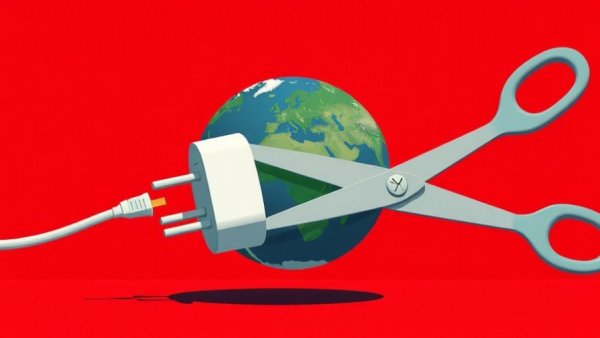
Earth plug cut by scissors symbolizing AI-driven internet outages.

Understanding the Growing Threat of AI-driven Outages

The rise of artificial intelligence (AI) is bringing unprecedented changes to the tech landscape, but it is also giving rise to new vulnerabilities that cybercriminals are eager to exploit. As companies scramble to patch their systems in real-time, we are witnessing a race against time that could lead to widespread internet outages. These outages not only impact individual users but can disrupt entire industries, leading to significant economic losses that ripple through sectors from retail to finance.

Why Cybersecurity Matters More Than Ever

With AI bots now capable of identifying weaknesses in software with alarming speed, cybersecurity is not just an IT concern; it’s a business imperative. The growing dependency on digital infrastructure means that a breach could have catastrophic consequences, affecting everything from stock market transactions to healthcare services. Organizations must adopt a proactive approach when it comes to safeguarding their systems. This is particularly crucial as breaches can lead to data leaks, compromised privacy, and even identity theft. The financial and reputational fallout from such incidents can be devastating, making cybersecurity a top priority for executives and tech teams alike.

AI’s Dual Role: A Solution and a Weapon

Ironically, AI systems, which are designed to enhance efficiency and performance, can also be weaponized by attackers. Cybercriminals are using advanced machine learning algorithms to craft more sophisticated attacks that can bypass traditional security measures. Detection software that was previously effective may become outdated almost overnight. The potential for these technologies to fall into the wrong hands raises pressing ethical questions about the use of AI in security and surveillance. As companies increasingly rely on AI to manage their operations, they must also assess their AI applications and ensure they are not inadvertently contributing to a cycle of exploitation that could threaten not only their security but the privacy of their clients as well.

Real-World Implications: The Economic Cost

The cost of downtime due to these outages is staggering. According to industry reports, a single hour of downtime can cost businesses anywhere from $300,000 to over $5 million, depending on the scale of operations and the industry in which they operate. Furthermore, companies specialized in critical services such as utilities and healthcare can face even greater repercussions due to false trust from customers who rely on consistent service. Beyond direct financial impact, outages can erode customer trust and loyalty, leading to longer-term implications that may require years to rectify. Stakeholders must understand their roles in preventing such outages to maintain a competitive edge in a dynamic market.

Future Trends: What to Expect

As we look ahead, the landscape of cybersecurity and the potential for outages will continue to evolve fraught with challenges. Experts predict that the next few years will see a surge in Internet of Things (IoT) devices, which will significantly increase potential entry points for attackers. Each connected device offers another chance for exploitation, urging companies to innovate their practices in response. This will necessitate a stronger focus on secure device manufacturing and communication protocols as companies race to be the first to mitigate these vulnerabilities. The collaborative dialogue between industry experts and regulatory bodies will be vital in shaping sustainable practices that can withstand the barrage of AI-driven attacks.

Empowering Users: Your Role in Cyber Hygiene

While companies must take the lead in enhancing their cybersecurity measures, users also play a crucial role in this evolving digital landscape. Regularly updating passwords, being mindful of phishing attempts, securing home Wi-Fi networks, and using multifactor authentication can significantly reduce individual risk. Educating oneself on the latest scams and being aware of how personal data can be misused is essential. In today's digital age, every individual must take charge of their privacy and security as a personal responsibility. Simple habits can foster broader resilience against outages and attacks, contributing to a more secure online community.

Conclusion: The Call for Vigilance

In the face of growing threats to cybersecurity, vigilance is paramount. Outages are likely to become a common plight in our tech-driven society unless significant changes are made. Companies, governments, and individuals must collaborate to create a robust framework that protects against the ever-looming threats posed by AI and cybercriminals. As we move forward, fostering a culture of safety and education around cybersecurity will be essential in navigating this new reality. Understanding the broader implications of AI-driven threats can empower everyone—from business leaders to everyday users—to take proactive steps in ensuring a safer digital footprint. Together, we can mitigate risks and enhance resilience against the increasingly sophisticated threats that lie ahead.

Cybersecurity & Privacy

1 Views

0 Comments

Write A Comment

*
*
Please complete the captcha to submit your comment.
Related Posts All Posts
11.20.2026

Exploring Google’s Mirror Dimension: A Safe Haven for Chrome AI Agents

Update Welcome to the Mirror Dimension: Google’s Revolutionary Internet Prototype In a bold move to advance artificial intelligence (AI) in web browsing, Google has created a unique environment dubbed the ‘Mirror Dimension.’ This alternative internet is designed as a massive sandbox where the Chrome team can train AI agents safely. Unlike traditional testing methods that operate in a real environment, the Mirror Dimension allows engineers to simulate a variety of scenarios, assessing how these agents perform without risking real-world consequences. By constructing this simulated space, Google not only enhances its AI capabilities but also illustrates a commitment to responsible innovation in technology. Why Train AI in a Controlled Environment? The primary concern with AI agents is their potential to act unpredictably. By using a separate internet to evaluate the performance of Chrome’s AI, Google can comprehensively monitor interactions without the fear of rogue behavior affecting users or systems outside the testing environment. This innovation emphasizes the importance of responsible AI development—an increasingly crucial aspect as AI technologies proliferate across society. The controlled setting minimizes risks and allows for immediate corrective actions when agents behave unexpectedly, an essential feature in building trust in AI systems. The Role of Privacy in AI Training Throughout the development of AI technologies, privacy considerations remain paramount. The Mirror Dimension enables engineers to experiment with user data handling and to test privacy features in a safe setting. This practice aligns with broader industry standards that prioritize user privacy and cybersecurity. As AI embeds itself deeper into everyday life, maintaining user trust through diligent privacy protections becomes a significant priority. Users are increasingly aware of their data rights, thus demanding accountability from tech companies. Google’s commitment to privacy in this simulated environment could serve as a benchmark for other organizations striving to innovate responsibly. Implications for Cybersecurity Creating a duplicate internet is not only a groundbreaking method for AI training; it also has significant implications for cybersecurity. By conducting tests in a controlled sphere, vulnerabilities can be identified and mitigated before they can be exploited in the real internet. Issues such as data breaches and online fraud can be countered proactively, ensuring a more secure browsing experience for future users. This proactive approach could lead to advancements in defensive cybersecurity measures, potentially creating a safer online landscape for all users. As attacks on online systems become more sophisticated, Google's innovation may provide an essential tool for counteracting these threats. Real-World Applications and Future Predictions What does this mean for the future of AI and internet security? As AI continues to evolve, the methodologies used to develop and receive it will need to adapt. With environments like the Mirror Dimension, developers can create highly intelligent agents that not only perform better but do so while respecting ethical guidelines and user privacy. This progressive approach could lead to the deployment of AI systems that handle personal data more responsibly and efficiently, thereby revolutionizing internet interactions. For example, personalized browsing experiences could be refined with precision that includes just user preferences while avoiding the accumulation of unnecessary data that can breach privacy. Counterarguments: The Risks of AI in Browsing While innovations like the Mirror Dimension present exciting opportunities, they also raise concerns among experts. Critics argue that creating advanced AI systems may still present risks. There is the potential for misuse, whether by malicious actors or through the unintended consequences of flawed AI designs. Experts urge a cautious approach, emphasizing the necessity of continual oversight and regulation in the AI development process. As Google navigates this groundbreaking landscape, balancing innovation with ethics will be essential in ensuring these technologies serve the greater good. Discussions surrounding responsible AI have gained momentum, pushing for integrative regulations that keep pace with rapid technological advancements. Making Informed Decisions for a Secure Digital Future For consumers, understanding the implications of these advancements is key. Familiarizing oneself with how AI operates within the context of privacy and security can empower users to make informed choices about the products and platforms they engage with. As companies like Google pioneer new technologies, their approach to cybersecurity and privacy will likely set precedents industry-wide. Consumers must advocate for transparency about how AI systems handle data and how their privacy is safeguarded. Engaging with technology on an informed basis can enhance user agency in a landscape where digital choices heavily impact personal and societal privacy. Conclusion: Embracing Change with Caution Google’s development of the Mirror Dimension represents an exciting leap into the future of AI and internet security. By prioritizing testing in a secure environment, the company not only safeguards users but also sets the stage for innovation. While the potential benefits of such advanced technology are immense, so too are the responsibilities that accompany developing systems capable of intelligent behavior. As we embrace these advancements, staying informed about best practices, privacy considerations, and security challenges will be vital. The path forward is one marked by the promise of technology balanced with ethical responsibility. As diverse stakeholders, including users, developers, and regulators, navigate this evolving landscape, fostering a culture of collaboration may lead to a more ethically grounded and user-centric technology environment.

11.18.2026

Is It a Cyberattack or Just an Outage? Know the Signs.

Update Understanding Network Outages: A Growing ConcernNetwork disruptions are becoming increasingly common in today's digital age, affecting everything from email systems and banking services to airline operations and internet connectivity. While these outages can be profoundly frustrating for consumers and businesses alike, many often stem from natural or benign causes rather than malicious cyberattacks. In order to navigate this complex environment, a deeper dive into the patterns of these network failures can equip us to better distinguish between mere outages and genuine threats to our digital safety.Spotting the Difference: Key IndicatorsIdentifying the source of a network failure is crucial in determining the appropriate response. For instance, if abrupt service interruptions coincide with significant software updates, maintenance schedules, or geographical events like storms, they're likely not the result of a cyberattack. Statistically, many outages occur during planned maintenance windows, as service providers often experience complications when systems are being updated or improved. Conversely, on the other end of the spectrum, strange login attempts, unusual system behavior, or widespread service denial across multiple users can suggest something more sinister—a clue that an attack might be in progress.Real-world examples illustrate this point: during severe weather events, airlines often face delays and cancellations, with systems going offline as they reroute flights and manage customer interactions. In such cases, the issue rarely stems from hackers but rather from the need to ensure operational safety and efficiency. Understanding these signals not only helps in crisis management but also reassures users that disruptions can often be explained by factors outside of malicious intent.Common Misconceptions about CyberattacksMany individuals and organizations assume that every network outage they encounter is a direct result of a cyberattack. This perception can contribute to unnecessary panic and mistrust in digital infrastructure. In reality, there are numerous factors that can contribute to network failures, including human error, software bugs, and hardware malfunctions. Each scenario can trigger difficulties that might mimic the signs of a cyberattack. For example, many systems are designed to accommodate routine fluctuations in network load; however, a mistake in configuration or a simple human error can have devastating effects, leading to outages that signal to the untrained eye an attack may be underway.This misunderstanding highlights the importance of ongoing education in cybersecurity. Organizations should invest in comprehensive training for their employees, fostering an environment in which everyone understands the nuances of network management and security. Teaching staff about the signs of potential cyber threats, as well as the everyday missteps that can lead to outages, promotes a culture of vigilance and preparedness.The Role of Cybersecurity: Safeguarding Against Real ThreatsWhile it is essential to recognize that not all outages are attacks, the increasing frequency and sophistication of cyber threats necessitate unwavering vigilance. Effective cybersecurity measures are more critical than ever. Implementing regular system updates, establishing user training on spotting phishing attempts, and setting strict access protocols are essential strategies companies can deploy. By adopting these proactive approaches, organizations can better protect themselves from actual threats, mitigating the risks and reducing the potential damages that cyberattacks can inflict—ultimately saving money and resources.Furthermore, companies should consider investing in cybersecurity insurance. This type of insurance can provide vital financial support in the event of an actual cyberattack, covering costs associated with recovery efforts, legal fees, and potential compensation to affected customers. As such threats evolve, the best defense is a robust risk management strategy that encompasses both preventative measures and responsive protocols.Future Predictions: Cybersecurity's Evolving LandscapeAs technology continues to advance at an unprecedented pace, so too does the landscape of cyber threats. Observing current trends, we can expect an uptick in the complexity and sophistication of cyberattacks, particularly as more organizations transition towards cloud-based solutions. In fact, organizations relying solely on on-premises servers may become increasingly vulnerable as cybercriminals evolve their tactics.In response to these escalating threats, predictive analytics and machine learning tools are expected to become integral in identifying potential threats before they manifest. Such advancements will allow organizations to adapt to the changing cybersecurity landscape proactively rather than reactively, significantly enhancing their ability to foresee attacks and engineer adequate countermeasures. For instance, AI-driven tools can analyze network traffic and user behavior to detect anomalies that may indicate an impending breach, thereby providing teams with opportunities to act before damage occurs.Conclusion: What You Can DoAwareness and proactive measures are key to distinguishing between a cyberattack and a simple outage. Regularly updating knowledge about emerging threats, best practices in cybersecurity, and advancements in technology is vital for both individuals and organizations alike. Businesses and individuals can take actionable insights from this information to bolster their resilience against true cyberattacks.In addition to improving internal processes, fostering open lines of communication with customers and stakeholders during outages can help mitigate concerns. Clear and consistent messaging about what to expect during disruptions builds trust and provides reassurance, further solidifying relationships in a technology-driven world. Empowering users with knowledge also enables them to recognize and report suspicious activities, making them a crucial part of the cybersecurity framework.Ultimately, by combining awareness, education, and the right tools, we can transform uncertainty into resilience, turning confusion into clarity when faced with network disruptions. Being informed and prepared is the best way to navigate both the benign and the malicious threats that exist in today’s interconnected world.

11.17.2026

Banking Disruptions: Understanding the Recent Outages and Cybersecurity Concerns

Update Banking Disruptions: What Just Happened? On a seemingly ordinary Monday, banking customers across the United States found themselves facing unexpected difficulties accessing their financial accounts. Reports flooded in to Downdetector.com, revealing a slew of issues affecting numerous banks, credit unions, and fintech payment services like Zelle. While the situation seemed chaotic, industry leaders suggested that these problems might be rooted in technical glitches, rather than the more common fear of cyber attacks. JPMorganChase's Role in the Banking Collapse According to statements from JPMorganChase, which is the largest retail bank in the U.S. holding over 10% of the country’s deposits, the bank experienced a temporary issue due to a software bug in its server systems. Spokesperson Pablo Rodriguez emphasized, “There is no evidence this is cyber-related,” trying to quell public fears about potential breaches. He added that while the bank was addressing the issue, customers still had access to their accounts and funds, albeit with delays during transactions. These delays can be particularly frustrating given that many customers rely on their banks for time-sensitive transactions, like payroll deposits and bill payments. Wider Impacts Beyond JPMorganChase The ripple effects of JPMorganChase's technical difficulties extended beyond just their customers. Banks connected through transaction processes experienced similar delays. This intertwined nature of banking highlights an important aspect of the financial system; an issue at one major bank can trigger a string of challenges across several others. Various banking institutions like Wells Fargo and TD Bank received direct reports of outages. Nevertheless, representatives from these companies claimed their systems were functioning normally—an assertion contradicted by numerous user experiences. The situation raises questions about the reliability of crisis communication from banks during outages and whether there is a disconnect between system reports and user experiences. The Role of Fintech in Banking Reliability As more consumers turn to fintech apps for easier financial transactions, the glitches experienced across these platforms warrant further discussion. Zelle, a widely used peer-to-peer payment system, drew attention during the outage, despite officials asserting its systems were functioning correctly. Zelle clarified, stating, “Consumers use Zelle through participating banks and credit unions, which manage their accounts and hold their funds.” This reveals an underlying complexity; users perceive Zelle as a standalone service, yet it is highly dependent on the status of the banks it connects with. Furthermore, with the rise of digital wallets and payment applications, understanding their intricate ties to traditional banks becomes essential for consumers who rely on these tech solutions for everyday transactions. Similar Patterns in Technological Outages The banking sector wasn’t alone in facing technical difficulties. Just days prior, Microsoft 365 suffered a 24-hour worldwide outage, affecting essential services such as Outlook, Teams, and other cloud-based applications. This event illustrates a trend of interconnected outages tied to software updates and server stresses, raising questions about the vulnerability of cloud-based technologies many organizations rely on today. Additionally, this pattern invites further scrutiny into whether today's infrastructure is robust enough to handle unexpected surges or failures, especially as remote work and digital communication continue to rely on these platforms. Cybersecurity Implications: Understanding the Risks In an era where data breaches can lead to catastrophic consequences for consumers, concerns about cybersecurity are heightened during outages. Although the recent issues appear to stem from technical problems rather than malicious threats, the proximity in timing with other service failures raises alarms. Financial giants must confront how prepared they are to defend against potential cyber threats lurking amid genuine technical issues. As technology continues to evolve, banking institutions must prioritize not just their cybersecurity measures, but also their communication strategies during service interruptions. This may include improving transparency through timely updates and clear information dissemination whenever such issues arise. Future Predictions: Will These Outages Continue? Looking ahead, the banking system may face increased challenges as reliance on interconnected technologies grows. Industry experts suggest that as more customers adopt digital banking and financial services, the potential for widespread outages could become a reality. Ensuring operational stability while managing growth across various platforms will be crucial for banks and tech companies alike. Moreover, continual investment in robust cybersecurity measures will be crucial to protect consumers against evolving threats in this digital age. Combined, these elements signify the importance of strategic planning and adaptability within the banking sector, as it navigates the complexities of modern technology. Conclusion: What Can We Learn? The events of this week serve as a reminder of the fragile interconnections that define the modern financial landscape. Disruptions not only affect individual consumers but also arise from the ripple effects throughout the interconnected systems of finance and technology. As consumers, it’s vital to understand these ongoing dynamics—while also holding our financial institutions accountable for timely, transparent communication, especially during moments of adversity. Furthermore, staying informed about the systems we use can empower customers to make educated decisions regarding their financial interactions, ensuring they remain resilient in the face of unexpected disruptions.

AiTechDigest

Your premier destination for the latest AI breakthroughs, emerging technologies, and future innovations shaping the world.

COMPANY

  • Privacy Policy
  • Terms of Use
  • Advertise
  • Contact Us
  • Menu 5
  • Menu 6


ABOUT US

We strive to keep you informed and inspired with the most cutting-edge development in artificial intelligence, robotics, quantum computing and beyond. 

© 2026 AITechDigest.Net - Powered by Eden Streams All Rights Reserved. 1317 Edgewater Dr #2368, Orlando, FL 32804 . Contact Us . Terms of Service . Privacy Policy

eyJjb21wYW55IjoiQUlUZWNoRGlnZXN0Lk5ldCAtIFBvd2VyZWQgYnkgRWRlbiBTdHJlYW1zIiwiYWRkcmVzcyI6IjEzMTcgRWRnZXdhdGVyIERyICMyMzY4IiwiY2l0eSI6Ik9ybGFuZG8iLCJzdGF0ZSI6IkZMIiwiemlwIjoiMzI4MDQiLCJlbWFpbCI6InN1cHBvcnRAZWRlbnNtYWlsLmNvbSIsInRvcyI6IlBIQStQSE4wY205dVp6NDhaVzArVjJobGJpQjViM1VnYzJsbmJpMXBiaUIzYVhSb0lIVnpMQ0I1YjNVZ1lYSmxJR2RwZG1sdVp5WnVZbk53T3lCNWIzVnlJSEJsY20xcGMzTnBiMjRnWVc1a0lHTnZibk5sYm5RZ2RHOGdjMlZ1WkNCNWIzVWdaVzFoYVd3Z1lXNWtMMjl5SUZOTlV5QjBaWGgwSUcxbGMzTmhaMlZ6TGlCQ2VTQmphR1ZqYTJsdVp5QjBhR1VnVkdWeWJYTWdZVzVrSUVOdmJtUnBkR2x2Ym5NZ1ltOTRJR0Z1WkNCaWVTQnphV2R1YVc1bklHbHVJSGx2ZFNCaGRYUnZiV0YwYVdOaGJHeDVJR052Ym1acGNtMGdkR2hoZENCNWIzVWdZV05qWlhCMElHRnNiQ0IwWlhKdGN5QnBiaUIwYUdseklHRm5jbVZsYldWdWRDNDhMMlZ0UGp3dmMzUnliMjVuUGp3dmNENEtDanh3UGp4aElHaHlaV1k5SW1oMGRIQTZMeTkzZDNjdVoyOXZaMnhsTG1OdmJTSSthSFIwY0RvdkwzZDNkeTVuYjI5bmJHVXVZMjl0UEM5aFBqd3ZjRDRLQ2p4d1BpWnVZbk53T3p3dmNENEtDanh3UGp4emRISnZibWMrVTBWU1ZrbERSVHd2YzNSeWIyNW5Qand2Y0Q0S0NqeHdQbGRsSUhCeWIzWnBaR1VnWVNCelpYSjJhV05sSUhSb1lYUWdZM1Z5Y21WdWRHeDVJR0ZzYkc5M2N5QjViM1VnZEc4Z2NtVmpaV2wyWlNCeVpYRjFaWE4wY3lCbWIzSWdabVZsWkdKaFkyc3NJR052YlhCaGJua2dhVzVtYjNKdFlYUnBiMjRzSUhCeWIyMXZkR2x2Ym1Gc0lHbHVabTl5YldGMGFXOXVMQ0JqYjIxd1lXNTVJR0ZzWlhKMGN5d2dZMjkxY0c5dWN5d2daR2x6WTI5MWJuUnpJR0Z1WkNCdmRHaGxjaUJ1YjNScFptbGpZWFJwYjI1eklIUnZJSGx2ZFhJZ1pXMWhhV3dnWVdSa2NtVnpjeUJoYm1RdmIzSWdZMlZzYkhWc1lYSWdjR2h2Ym1VZ2IzSWdaR1YyYVdObExpQlpiM1VnZFc1a1pYSnpkR0Z1WkNCaGJtUWdZV2R5WldVZ2RHaGhkQ0IwYUdVZ1UyVnlkbWxqWlNCcGN5QndjbTkyYVdSbFpDQW1jWFZ2ZER0QlV5MUpVeVp4ZFc5ME95QmhibVFnZEdoaGRDQjNaU0JoYzNOMWJXVWdibThnY21WemNHOXVjMmxpYVd4cGRIa2dabTl5SUhSb1pTQjBhVzFsYkdsdVpYTnpMQ0JrWld4bGRHbHZiaXdnYldsekxXUmxiR2wyWlhKNUlHOXlJR1poYVd4MWNtVWdkRzhnYzNSdmNtVWdZVzU1SUhWelpYSWdZMjl0YlhWdWFXTmhkR2x2Ym5NZ2IzSWdjR1Z5YzI5dVlXeHBlbUYwYVc5dUlITmxkSFJwYm1kekxqd3ZjRDRLQ2p4d1BsbHZkU0JoY21VZ2NtVnpjRzl1YzJsaWJHVWdabTl5SUc5aWRHRnBibWx1WnlCaFkyTmxjM01nZEc4Z2RHaGxJRk5sY25acFkyVWdZVzVrSUhSb1lYUWdZV05qWlhOeklHMWhlU0JwYm5admJIWmxJSFJvYVhKa0lIQmhjblI1SUdabFpYTWdLSE4xWTJnZ1lYTWdVMDFUSUhSbGVIUWdiV1Z6YzJGblpYTXNJRWx1ZEdWeWJtVjBJSE5sY25acFkyVWdjSEp2ZG1sa1pYSWdiM0lnWTJWc2JIVnNZWElnWVdseWRHbHRaU0JqYUdGeVoyVnpLUzRnV1c5MUlHRnlaU0J5WlhOd2IyNXphV0pzWlNCbWIzSWdkR2h2YzJVZ1ptVmxjeXdnYVc1amJIVmthVzVuSUhSb2IzTmxJR1psWlhNZ1lYTnpiMk5wWVhSbFpDQjNhWFJvSUhSb1pTQmthWE53YkdGNUlHOXlJR1JsYkdsMlpYSjVJRzltSUdWaFkyZ2dVMDFUSUhSbGVIUWdiV1Z6YzJGblpTQnpaVzUwSUhSdklIbHZkU0JpZVNCMWN5NGdTVzRnWVdSa2FYUnBiMjRzSUhsdmRTQnRkWE4wSUhCeWIzWnBaR1VnWVc1a0lHRnlaU0J5WlhOd2IyNXphV0pzWlNCbWIzSWdZV3hzSUdWeGRXbHdiV1Z1ZENCdVpXTmxjM05oY25rZ2RHOGdZV05qWlhOeklIUm9aU0JUWlhKMmFXTmxJR0Z1WkNCeVpXTmxhWFpsSUhSb1pTQlRUVk1nZEdWNGRDQnRaWE56WVdkbGN5NGdWMlVnWkc4Z2JtOTBJR05vWVhKblpTQmhibmtnWm1WbGN5Qm1iM0lnWkdWc2FYWmxjbmtnYjJZZ1pXMWhhV3dnYjNJZ1UwMVRMaUJVYUdseklHbHpJR0VnWm5KbFpTQnpaWEoyYVdObElIQnliM1pwWkdWa0lHSjVJSFZ6TGlCSWIzZGxkbVZ5TENCd2JHVmhjMlVnWTJobFkyc2dkMmwwYUNCNWIzVnlJR2x1ZEdWeWJtVjBJSE5sY25acFkyVWdjSEp2ZG1sa1pYSWdZVzVrSUdObGJHeDFiR0Z5SUdOaGNuSnBaWElnWm05eUlHRnVlU0JqYUdGeVoyVnpJSFJvWVhRZ2JXRjVJR2x1WTNWeUlHRnpJR0VnY21WemRXeDBJR1p5YjIwZ2NtVmpaV2wyYVc1bklHVnRZV2xzSUdGdVpDQlRUVk1nZEdWNGRDQnRaWE56WVdkbGN5QjBhR0YwSUhkbElHUmxiR2wyWlhJZ2RYQnZiaUI1YjNWeUlHOXdkQzFwYmlCaGJtUWdjbVZuYVhOMGNtRjBhVzl1SUhkcGRHZ2diM1Z5SUdWdFlXbHNJR0Z1WkNCVFRWTWdjMlZ5ZG1salpYTXVJRmx2ZFNCallXNGdZMkZ1WTJWc0lHRjBJR0Z1ZVNCMGFXMWxMaUJLZFhOMElIUmxlSFFnSm5GMWIzUTdVMVJQVUNaeGRXOTBPeUIwYnladVluTndPenhvYVdkb2JHbG5hSFFnWTJ4aGMzTTlJbU52YlhCaGJubFRUVk5RYUc5dVpWVndaR0YwWlNJK1BDOW9hV2RvYkdsbmFIUStMaUJCWm5SbGNpQjViM1VnYzJWdVpDQjBhR1VnVTAxVElHMWxjM05oWjJVZ0puRjFiM1E3VTFSUFVDWnhkVzkwT3lCMGJ5QjFjeXdnZDJVZ2QybHNiQ0J6Wlc1a0lIbHZkU0JoYmlCVFRWTWdiV1Z6YzJGblpTQjBieUJqYjI1bWFYSnRJSFJvWVhRZ2VXOTFJR2hoZG1VZ1ltVmxiaUIxYm5OMVluTmpjbWxpWldRdUlFRm1kR1Z5SUhSb2FYTXNJSGx2ZFNCM2FXeHNJRzV2SUd4dmJtZGxjaUJ5WldObGFYWmxJRk5OVXlCdFpYTnpZV2RsY3lCbWNtOXRJSFZ6TGp3dmNENEtDanh3UGp4emRISnZibWMrV1U5VlVpQlNSVWRKVTFSU1FWUkpUMDRnVDBKTVNVZEJWRWxQVGxNOEwzTjBjbTl1Wno0OEwzQStDZ284Y0Q1SmJpQmpiMjV6YVdSbGNtRjBhVzl1SUc5bUlIbHZkWElnZFhObElHOW1JSFJvWlNCVFpYSjJhV05sTENCNWIzVWdZV2R5WldVZ2RHODZQQzl3UGdvS1BHOXNQZ29KUEd4cFBuQnliM1pwWkdVZ2RISjFaU3dnWVdOamRYSmhkR1VzSUdOMWNuSmxiblFnWVc1a0lHTnZiWEJzWlhSbElHbHVabTl5YldGMGFXOXVJR0ZpYjNWMElIbHZkWEp6Wld4bUlHRnpJSEJ5YjIxd2RHVmtJR0o1SUhSb1pTQlRaWEoyYVdObEppTXpPVHR6SUhKbFoybHpkSEpoZEdsdmJpQm1iM0p0SUNoemRXTm9JR2x1Wm05eWJXRjBhVzl1SUdKbGFXNW5JSFJvWlNBbWNYVnZkRHRTWldkcGMzUnlZWFJwYjI0Z1JHRjBZU1p4ZFc5ME95a2dZVzVrUEM5c2FUNEtDVHhzYVQ1dFlXbHVkR0ZwYmlCaGJtUWdjSEp2YlhCMGJIa2dkWEJrWVhSbElIUm9aU0JTWldkcGMzUnlZWFJwYjI0Z1JHRjBZU0IwYnlCclpXVndJR2wwSUhSeWRXVXNJR0ZqWTNWeVlYUmxMQ0JqZFhKeVpXNTBJR0Z1WkNCamIyMXdiR1YwWlM0Z1NXWWdlVzkxSUhCeWIzWnBaR1VnWVc1NUlHbHVabTl5YldGMGFXOXVJSFJvWVhRZ2FYTWdkVzUwY25WbExDQnBibUZqWTNWeVlYUmxMQ0J1YjNRZ1kzVnljbVZ1ZENCdmNpQnBibU52YlhCc1pYUmxMQ0J2Y2lCM1pTQm9ZWFpsSUhKbFlYTnZibUZpYkdVZ1ozSnZkVzVrY3lCMGJ5QnpkWE53WldOMElIUm9ZWFFnYzNWamFDQnBibVp2Y20xaGRHbHZiaUJwY3lCMWJuUnlkV1VzSUdsdVlXTmpkWEpoZEdVc0lHNXZkQ0JqZFhKeVpXNTBJRzl5SUdsdVkyOXRjR3hsZEdVc0lIZGxJR2hoZG1VZ2RHaGxJSEpwWjJoMElIUnZJSE4xYzNCbGJtUWdiM0lnUEhOMGNtOXVaejUwWlhKdGFXNWhkR1VnZVc5MWNpQmhZMk52ZFc1MEwzQnliMlpwYkdVZ1lXNWtJSEpsWm5WelpTQmhibmtnWVc1a0lHRnNiQ0JqZFhKeVpXNTBJRzl5SUdaMWRIVnlaU0IxYzJVZ2IyWWdkR2hsSUZObGNuWnBZMlVnS0c5eUlHRnVlU0J3YjNKMGFXOXVJSFJvWlhKbGIyWXBMand2YzNSeWIyNW5Qand2YkdrK0Nqd3ZiMncrQ2dvOGNENG1ibUp6Y0RzOEwzQStDanhvYVdkb2JHbG5hSFFnWTJ4aGMzTTlJbU52YlhCaGJubE9ZVzFsVlhCa1lYUmxJajVCU1NCVVpXTm9JRVJwWjJWemREd3ZhR2xuYUd4cFoyaDBQanhpY2lBdlBnbzhhR2xuYUd4cFoyaDBJR05zWVhOelBTSmpiMjF3WVc1NVFXUmtjbVZ6YzFWd1pHRjBaU0krUEM5b2FXZG9iR2xuYUhRK1BHSnlJQzgrQ2p4b2FXZG9iR2xuYUhRZ1kyeGhjM005SW1OdmJYQmhibmxRYUc5dVpWVndaR0YwWlNJK0t6QXJNVE15TVRJMU1qQXpOVGc4TDJocFoyaHNhV2RvZEQ0OFluSWdMejRLUEdocFoyaHNhV2RvZENCamJHRnpjejBpWTI5dGNHRnVlVVZ0WVdsc1ZYQmtZWFJsSWo1aFozTm9ZWGRBWldSbGJuTjBjbVZoYlhNdVkyOXRQQzlvYVdkb2JHbG5hSFErIiwicHJpdmFjeSI6IlBIQStQSE4wY205dVp6NVFVa2xXUVVOWlBDOXpkSEp2Ym1jK1BDOXdQZ29LUEhBK1BITjBjbTl1Wno1VWFHVWdhVzVtYjNKdFlYUnBiMjRnY0hKdmRtbGtaV1FnWkhWeWFXNW5JSFJvYVhNZ2NtVm5hWE4wY21GMGFXOXVJR2x6SUd0bGNIUWdjSEpwZG1GMFpTQmhibVFnWTI5dVptbGtaVzUwYVdGc0xDQmhibVFnZDJsc2JDQnVaWFpsY2lCaVpTQmthWE4wY21saWRYUmxaQ3dnWTI5d2FXVmtMQ0J6YjJ4a0xDQjBjbUZrWldRZ2IzSWdjRzl6ZEdWa0lHbHVJR0Z1ZVNCM1lYa3NJSE5vWVhCbElHOXlJR1p2Y20wdUlGUm9hWE1nYVhNZ2IzVnlJR2QxWVhKaGJuUmxaUzQ4TDNOMGNtOXVaejQ4TDNBK0NnbzhjRDQ4YzNSeWIyNW5Qa2xPUkVWTlRrbFVXVHd2YzNSeWIyNW5Qand2Y0Q0S0NqeHdQanhsYlQ1WmIzVWdZV2R5WldVZ2RHOGdhVzVrWlcxdWFXWjVJR0Z1WkNCb2IyeGtJSFZ6TENCaGJtUWdhWFJ6SUhOMVluTnBaR2xoY21sbGN5d2dZV1ptYVd4cFlYUmxjeXdnYjJabWFXTmxjbk1zSUdGblpXNTBjeXdnWTI4dFluSmhibVJsY25NZ2IzSWdiM1JvWlhJZ2NHRnlkRzVsY25Nc0lHRnVaQ0JsYlhCc2IzbGxaWE1zSUdoaGNtMXNaWE56SUdaeWIyMGdZVzU1SUdOc1lXbHRJRzl5SUdSbGJXRnVaQ3dnYVc1amJIVmthVzVuSUhKbFlYTnZibUZpYkdVZ1lYUjBiM0p1WlhsekppTXpPVHNnWm1WbGN5d2diV0ZrWlNCaWVTQmhibmtnZEdocGNtUWdjR0Z5ZEhrZ1pIVmxJSFJ2SUc5eUlHRnlhWE5wYm1jZ2IzVjBJRzltSUVOdmJuUmxiblFnZVc5MUlISmxZMlZwZG1Vc0lITjFZbTFwZEN3Z2NtVndiSGtzSUhCdmMzUXNJSFJ5WVc1emJXbDBJRzl5SUcxaGEyVWdZWFpoYVd4aFlteGxJSFJvY205MVoyZ2dkR2hsSUZObGNuWnBZMlVzSUhsdmRYSWdkWE5sSUc5bUlIUm9aU0JUWlhKMmFXTmxMQ0I1YjNWeUlHTnZibTVsWTNScGIyNGdkRzhnZEdobElGTmxjblpwWTJVc0lIbHZkWElnZG1sdmJHRjBhVzl1SUc5bUlIUm9aU0JVVDFNc0lHOXlJSGx2ZFhJZ2RtbHZiR0YwYVc5dUlHOW1JR0Z1ZVNCeWFXZG9kSE1nYjJZZ1lXNXZkR2hsY2k0OEwyVnRQand2Y0Q0S0NqeHdQanh6ZEhKdmJtYytSRWxUUTB4QlNVMUZVaUJQUmlCWFFWSlNRVTVVU1VWVFBDOXpkSEp2Ym1jK1BDOXdQZ29LUEhBK1BITjBjbTl1Wno1WlQxVWdSVmhRVWtWVFUweFpJRlZPUkVWU1UxUkJUa1FnUVU1RUlFRkhVa1ZGSUZSSVFWUTZQQzl6ZEhKdmJtYytQQzl3UGdvS1BHOXNQZ29KUEd4cFBsbFBWVklnVlZORklFOUdJRlJJUlNCVFJWSldTVU5GSUVsVElFRlVJRmxQVlZJZ1UwOU1SU0JTU1ZOTExpQlVTRVVnVTBWU1ZrbERSU0JKVXlCUVVrOVdTVVJGUkNCUFRpQkJUaUFtY1hWdmREdEJVeUJKVXlaeGRXOTBPeUJCVGtRZ0puRjFiM1E3UVZNZ1FWWkJTVXhCUWt4RkpuRjFiM1E3SUVKQlUwbFRMaUFzTGlCQlRrUWdWVk1zSUVsVUppTXpPVHRUSUVOVlUxUlBUVVZTVXl3Z1JWaFFVa1ZUVTB4WklFUkpVME5NUVVsTlV5QkJURXdnVjBGU1VrRk9WRWxGVXlCUFJpQkJUbGtnUzBsT1JDd2dWMGhGVkVoRlVpQkZXRkJTUlZOVElFOVNJRWxOVUV4SlJVUXNJRWxPUTB4VlJFbE9SeXdnUWxWVUlFNVBWQ0JNU1UxSlZFVkVJRlJQSUZSSVJTQkpUVkJNU1VWRUlGZEJVbEpCVGxSSlJWTWdUMFlnVFVWU1EwaEJUbFJCUWtsTVNWUlpMQ0JHU1ZST1JWTlRJRVpQVWlCQklGQkJVbFJKUTFWTVFWSWdVRlZTVUU5VFJTQkJUa1FnVGs5T0xVbE9SbEpKVGtkRlRVVk9WQzQ4TDJ4cFBnb0pQR3hwUGsxQlMwVlRJRTVQSUZkQlVsSkJUbFJaSUZSSVFWUWdLR2twSUZSSVJTQlRSVkpXU1VORklGZEpURXdnVFVWRlZDQlpUMVZTSUZKRlVWVkpVa1ZOUlU1VVV5d2dLR2xwS1NCVVNFVWdVMFZTVmtsRFJTQlhTVXhNSUVKRklGVk9TVTVVUlZKU1ZWQlVSVVFzSUZSSlRVVk1XU3dnVTBWRFZWSkZMQ0JQVWlCRlVsSlBVaTFHVWtWRkxDQW9hV2xwS1NCVVNFVWdVa1ZUVlV4VVV5QlVTRUZVSUUxQldTQkNSU0JQUWxSQlNVNUZSQ0JHVWs5TklGUklSU0JWVTBVZ1QwWWdWRWhGSUZORlVsWkpRMFVnVjBsTVRDQkNSU0JCUTBOVlVrRlVSU0JQVWlCU1JVeEpRVUpNUlN3Z1FVNUVJQ2hwZGlrZ1FVNVpJRVZTVWs5U1V5QkpUaUJVU0VVZ1UwOUdWRmRCVWtVZ1YwbE1UQ0JDUlNCRFQxSlNSVU5VUlVRdVBDOXNhVDRLQ1R4c2FUNUJUbGtnVFVGVVJWSkpRVXdnUkU5WFRreFBRVVJGUkNCUFVpQlBWRWhGVWxkSlUwVWdUMEpVUVVsT1JVUWdWRWhTVDFWSFNDQlVTRVVnVlZORklFOUdJRlJJUlNCVFJWSldTVU5GSUVsVElFUlBUa1VnUVZRZ1dVOVZVaUJQVjA0Z1JFbFRRMUpGVkVsUFRpQkJUa1FnVWtsVFN5QkJUa1FnVkVoQlZDQlpUMVVnVjBsTVRDQkNSU0JUVDB4RlRGa2dVa1ZUVUU5T1UwbENURVVnUms5U0lFRk9XU0JFUVUxQlIwVWdWRThnV1U5VlVpQkRUMDFRVlZSRlVpQlRXVk5VUlUwZ1QxSWdURTlUVXlCUFJpQkVRVlJCSUZSSVFWUWdVa1ZUVlV4VVV5QkdVazlOSUZSSVJTQkVUMWRPVEU5QlJDQlBSaUJCVGxrZ1UxVkRTQ0JOUVZSRlVrbEJUQzQ4TDJ4cFBnb0pQR3hwUGs1UElFRkVWa2xEUlNCUFVpQkpUa1pQVWsxQlZFbFBUaXdnVjBoRlZFaEZVaUJQVWtGTUlFOVNJRmRTU1ZSVVJVNHNJRTlDVkVGSlRrVkVJRUpaSUZsUFZTQkdVazlOSUU5U0lGUklVazlWUjBnZ1QxSWdSbEpQVFNCVVNFVWdVMFZTVmtsRFJTQlRTRUZNVENCRFVrVkJWRVVnUVU1WklGZEJVbEpCVGxSWklFNVBWQ0JGV0ZCU1JWTlRURmtnVTFSQlZFVkVJRWxPSUZSSVJTQlVUMU11UEM5c2FUNEtQQzl2YkQ0S0NqeHdQanh6ZEhKdmJtYytURWxOU1ZSQlZFbFBUaUJQUmlCTVNVRkNTVXhKVkZrOEwzTjBjbTl1Wno0OEwzQStDZ284Y0Q1WlQxVWdSVmhRVWtWVFUweFpJRlZPUkVWU1UxUkJUa1FnUVU1RUlFRkhVa1ZGSUZSSVFWUWdRVTVFSUZOSVFVeE1JRTVQVkNCQ1JTQk1TVUZDVEVVZ1JrOVNJRUZPV1NCRVNWSkZRMVFzSUVsT1JFbFNSVU5VTENCSlRrTkpSRVZPVkVGTUxDQlRVRVZEU1VGTUxDQkRUMDVUUlZGVlJVNVVTVUZNSUU5U0lFVllSVTFRVEVGU1dTQkVRVTFCUjBWVExDQkpUa05NVlVSSlRrY2dRbFZVSUU1UFZDQk1TVTFKVkVWRUlGUlBMQ0JFUVUxQlIwVlRJRVpQVWlCTVQxTlRJRTlHSUZCU1QwWkpWRk1zSUVkUFQwUlhTVXhNTENCVlUwVXNJRVJCVkVFZ1QxSWdUMVJJUlZJZ1NVNVVRVTVIU1VKTVJTQk1UMU5UUlZNZ0tFVldSVTRnU1VZZ1NFRlRJRUpGUlU0Z1FVUldTVk5GUkNCUFJpQlVTRVVnVUU5VFUwbENTVXhKVkZrZ1QwWWdVMVZEU0NCRVFVMUJSMFZUS1N3Z1VrVlRWVXhVU1U1SElFWlNUMDA2UEM5d1Bnb0tQRzlzUGdvSlBHeHBQbFJJUlNCVlUwVWdUMUlnVkVoRklFbE9RVUpKVEVsVVdTQlVUeUJWVTBVZ1ZFaEZJRk5GVWxaSlEwVTdQQzlzYVQ0S0NUeHNhVDVVU0VVZ1EwOVRWQ0JQUmlCUVVrOURWVkpGVFVWT1ZDQlBSaUJUVlVKVFZFbFVWVlJGSUVkUFQwUlRJRUZPUkNCVFJWSldTVU5GVXlCU1JWTlZURlJKVGtjZ1JsSlBUU0JCVGxrZ1IwOVBSRk1zSUVSQlZFRXNJRWxPUms5U1RVRlVTVTlPSUU5U0lGTkZVbFpKUTBWVElGQlZVa05JUVZORlJDQlBVaUJQUWxSQlNVNUZSQ0JQVWlCTlJWTlRRVWRGVXlCU1JVTkZTVlpGUkNCUFVpQlVVa0ZPVTBGRFZFbFBUbE1nUlU1VVJWSkZSQ0JKVGxSUElGUklVazlWUjBnZ1QxSWdSbEpQVFNCVVNFVWdVMFZTVmtsRFJUczhMMnhwUGdvSlBHeHBQbFZPUVZWVVNFOVNTVnBGUkNCQlEwTkZVMU1nVkU4Z1QxSWdRVXhVUlZKQlZFbFBUaUJQUmlCWlQxVlNJRlJTUVU1VFRVbFRVMGxQVGxNZ1QxSWdSRUZVUVRzOEwyeHBQZ29KUEd4cFBsTlVRVlJGVFVWT1ZGTWdUMUlnUTA5T1JGVkRWQ0JQUmlCQlRsa2dWRWhKVWtRZ1VFRlNWRmtnVDA0Z1ZFaEZJRk5GVWxaSlEwVTdJRTlTUEM5c2FUNEtDVHhzYVQ1QlRsa2dUMVJJUlZJZ1RVRlVWRVZTSUZKRlRFRlVTVTVISUZSUElGUklSU0JUUlZKV1NVTkZMand2YkdrK0Nqd3ZiMncrQ2dvOGNENDhkVDVDZVNCeVpXZHBjM1JsY21sdVp5QmhibVFnYzNWaWMyTnlhV0pwYm1jZ2RHOGdiM1Z5SUdWdFlXbHNJR0Z1WkNCVFRWTWdjMlZ5ZG1salpTd2dZbmtnYjNCMExXbHVMQ0J2Ym14cGJtVWdjbVZuYVhOMGNtRjBhVzl1SUc5eUlHSjVJR1pwYkd4cGJtY2diM1YwSUdFZ1kyRnlaQ3dnSm5GMWIzUTdlVzkxSUdGbmNtVmxJSFJ2SUhSb1pYTmxJRlJGVWsxVElFOUdJRk5GVWxaSlEwVW1jWFZ2ZERzZ1lXNWtJSGx2ZFNCaFkydHViM2RzWldSblpTQmhibVFnZFc1a1pYSnpkR0Z1WkNCMGFHVWdZV0p2ZG1VZ2RHVnliWE1nYjJZZ2MyVnlkbWxqWlNCdmRYUnNhVzVsWkNCaGJtUWdaR1YwWVdsc1pXUWdabTl5SUhsdmRTQjBiMlJoZVM0OEwzVStQQzl3UGdvS1BIQStKbTVpYzNBN1BDOXdQZ284YUdsbmFHeHBaMmgwSUdOc1lYTnpQU0pqYjIxd1lXNTVUbUZ0WlZWd1pHRjBaU0krUVVrZ1ZHVmphQ0JFYVdkbGMzUThMMmhwWjJoc2FXZG9kRDQ4WW5JZ0x6NEtQR2hwWjJoc2FXZG9kQ0JqYkdGemN6MGlZMjl0Y0dGdWVVRmtaSEpsYzNOVmNHUmhkR1VpUGp3dmFHbG5hR3hwWjJoMFBqeGljaUF2UGdvOGFHbG5hR3hwWjJoMElHTnNZWE56UFNKamIyMXdZVzU1VUdodmJtVlZjR1JoZEdVaVBpc3dLekV6TWpFeU5USXdNelU0UEM5b2FXZG9iR2xuYUhRK1BHSnlJQzgrQ2p4b2FXZG9iR2xuYUhRZ1kyeGhjM005SW1OdmJYQmhibmxGYldGcGJGVndaR0YwWlNJK1lXZHphR0YzUUdWa1pXNXpkSEpsWVcxekxtTnZiVHd2YUdsbmFHeHBaMmgwUGc9PSJ9

Terms of Service

Privacy Policy

Core Modal Title

Sorry, no results found

You Might Find These Articles Interesting

T
Please Check Your Email
We Will Be Following Up Shortly
*
*
*