
Humanoid Robots: Are You Ready to Supply the Brain?
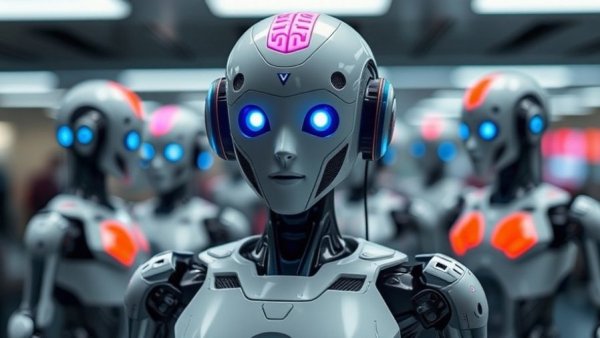
Booster Robotics is tapping into the rapidly evolving world of consumer technology with a novel approach to building humanoid robots. Instead of selling fully integrated robots, they provide a chassis—an intricate body tailored for advanced functions, leaving customers to fill in the mental gap with their own programming. This concept raises a pivotal question: how much control and responsibility do we want when it comes to robotics?
The Appeal of Customization
For many tech enthusiasts, the idea of being able to design or choose the "brain" for their robot is akin to personalizing a smartphone or app. This customization offers not only a sense of ownership but also the thrill of creativity in programming robotic behavior to suit individual needs. As technology stands on the brink of another disruptive era, owning a robot that you can shape mentally caters to a DIY spirit resonant among today’s consumers.
Ethical Considerations in Robotics
However, any innovation comes with its share of ethical questions. When consumers create or alter a robot's brain, the line between utility and responsibility blurs. What happens if a robot programmed for specific tasks behaves unexpectedly or causes harm? These scenarios illustrate the importance of ethics in robotics and AI development. As consumers explore humanoid robotics, understanding the stakes involved becomes essential.
Future Predictions for Humanoid Robotics
Humanoid robots are likely to fill various roles in society - from service providers in healthcare to companions in homes. As platforms like Booster Robotics develop, we can expect enhanced features, improved AI, and a wider market reach. This accessibility aligns with future predictions that humanoid robots will increasingly engage in daily life, compelling discussions on their implications in personal and professional spaces alike.
As the demand for advanced consumer technology in robotics grows, businesses and consumers alike must navigate this new terrain where brains and bodies come separately. The conversation surrounding ethics, design, and functionality will shape the future of how we perceive and interact with intelligent machines.



Write A Comment