
AI Tech Digest
AiTechDigest
  • Home
  • Categories
    • AI & Machine Learning
    • Future Technologies
    • Tech Industry News
    • Robotics & Automation
    • Quantum Computing
    • Cybersecurity & Privacy
    • Big Data & Analytics
    • Ethics & AI Policy
    • Gadgets & Consumer Tech
    • Space & Aerospace Tech
  • All Posts
  • AI & Machine Learning
  • Future Technologies
  • Tech Industry News
  • Robotics & Automation
  • Quantum Computing
  • Cybersecurity & Privacy
  • Big Data & Analytics
  • Ethics & AI Policy
  • Gadgets & Consumer Tech
  • Space & Aerospace Tech
November 24.2026
2 Minutes Read

Could Moon Farming Revolutionize Space Exploration? Insights from Potato Growth Research

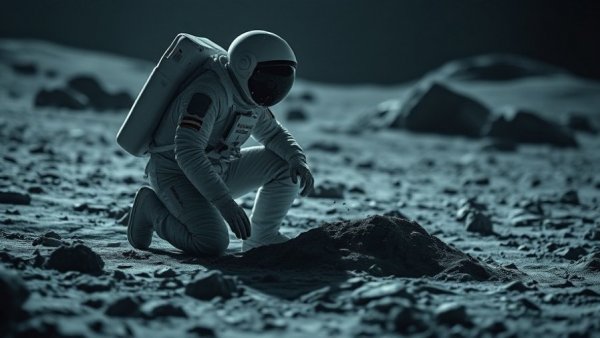
Astronaut practicing moon farming with lunar soil and potatoes

NASA's Vision: Farming on the Moon

As part of its mission for sustainable lunar exploration, NASA aims to establish a permanent human presence on the moon. With astronauts potentially living and working on the lunar surface for extended periods, the necessity for locally grown food has become paramount. Recent breakthroughs from a dedicated team at Oregon State University (OSU) reveal promising advancements in this area. They have successfully grown potatoes in a simulated lunar environment, paving the way for what could be a revolutionary agricultural practice beyond Earth.

The Pioneer Study: Potatoes and Simulated Lunar Dust

The OSU research, published in the Microgravity Science journal, is a significant step towards food self-sufficiency for lunar habitats. Associate Professor Aymeric Goyer emphasizes the importance of this achievement, stating, "We found that potatoes can complete their entire life cycle in simulated lunar soil when supplemented with organic matter." The team utilized various materials constructed to mimic lunar regolith, allowing them to ascertain the effectiveness of growing crops in extraterrestrial soils.

Vermicompost: The Key to Success

The research identified vermicompost as a vital component in optimizing lunar soil conditions for plant growth. This nutrient-rich soil reduced toxicity levels typically found in lunar regolith, enhancing the potatoes' growth potential. "The compost helps balance some of the toxicity we see in lunar regolith by reducing plant exposure to harmful compounds," noted David Handy, another key researcher in the study. This finding underscores the necessity of bringing organic materials along with astronauts, which could lead to sustainable farming practices on the moon.

Implications for Space Exploration

This innovative approach to lunar agriculture not only reduces reliance on Earth for food supplies but also aligns with NASA's long-term goals for human exploration of the universe. By developing a reliable food production system on the moon, astronauts can embark on longer missions without the logistical nightmare of transporting vast amounts of food from home. Such developments could also set the stage for future agricultural practices on other celestial bodies, such as Mars.

The Future of Lunar Farming: Challenges and Opportunities

Despite the promising results, several challenges remain before lunar farming can become a reality. Scientists must conduct further research to understand how various crops will react to the moon's unique environmental conditions, including radiation and microgravity. Additionally, plans for transporting necessary materials, while feasible, still pose significant logistical challenges.

Your Role in the Journey Beyond Earth

As we stand on the brink of a new era in space exploration and agriculture, it's essential for the public to stay informed about developments in lunar farming. Understanding the technology and innovation behind these advancements can inspire new generations to contribute to space exploration. As we grasp the complexities of growing food on the moon, we move closer to realizing a future where humanity plants roots beyond our planet.
Future Technologies

0 Views

0 Comments

Write A Comment

*
*
Please complete the captcha to submit your comment.
Related Posts All Posts
11.24.2026

Unlocking the Future of Cancer Treatment: How Tobacco Plants Could Produce Taxol

Update The Cancer Drug Revolution: Taxol from Tobacco As global cancer rates continue to rise, the quest for more efficient and affordable treatments has never been more critical. A recent breakthrough by researchers from the University of Copenhagen may change the way one of the world's most vital cancer drugs, Taxol (paclitaxel), is produced. Traditionally extracted from the bark of the endangered yew tree, the tedious and costly process of obtaining this medicine is being reimagined through biotechnological advancements. How Tobacco Plants May Hold the Key Researchers have turned their attention to the tobacco plant, particularly Nicotiana benthamiana, which shows the potential to produce Taxol at levels similar to yew bark. By introducing over 20 genes from the yew tree into these fast-growing tobacco plants, scientists successfully unlocked the biological pathway for Taxol production. This not only represents a significant leap in biotech but also sets the stage for creating a more sustainable source for this essential medication. From Complexity to Simplicity: Crafting a Blueprint The goal of making cancer treatment more accessible hinges on simplifying the production of Taxol. Until now, the exact process through which the yew tree naturally synthesizes Taxol remained a mystery. With the new 'recipe' assembled by the Copenhagen team, the critical challenge ahead is successfully integrating these genes into a stable tobacco plant, allowing large-scale production without needing to repeatedly introduce the yew tree genes. Why This Matters: The Bigger Picture of Cancer Treatment This development strikes at the heart of an urgent healthcare need. Taxol serves as a cornerstone in the treatment of various cancers, including breast, ovarian, and lung cancers. By exploring alternative production methods through biotech, scientists aim to reduce the price of this life-saving drug, making it more accessible for patients worldwide. The use of tobacco plants, which are easier to cultivate and genetically manipulate, could potentially revolutionize the pharmaceutical industry. Challenges Ahead: The Road to Mass Production Although this remarkable achievement brings excitement, it also presents challenges. For tobacco plants to be viable in a commercial setting, ongoing research is needed to ensure the integrated yew genes can remain stable. Developing plants that can reliably produce Taxol in significant quantities will require extensive testing and innovation. The implications here extend beyond cancer treatment: they point to a future where sustainable biopharmaceutical manufacturing could be within reach, possibly reducing the environmental impact of drug production. Connecting the Dots: Biotechnology and Future Health Trends This breakthrough isn't just a win for cancer treatment; it symbolizes a shift towards innovative biotechnological solutions in medicine. With diseases like cancer on the rise, the intersection of biology and biotech represents a powerful avenue to explore. The understanding of biosynthetic pathways not only enhances the production of drugs but also opens the door to novel therapeutic approaches that can improve patient outcomes. As we navigate the future of healthcare, it’s vital to keep our eyes on these breakthroughs in biotechnology. They hold the promise of not only changing how we treat cancer but also reshaping our journey towards a healthier, more equitable world. Stay informed and engaged, because advancements in biotechnology directly impact our overall well-being and quality of life.

11.23.2026

Amazon's Innovative Launch of Internet Satellites Follows Setbacks

Update Amazon Launching New Satellite Batch Amid Setbacks On Monday morning, November 23, Amazon is set to launch its newest batch of internet satellites, a key step in the company’s ambitious plan to build a broadband network from space. This comes just a week after a previous launch resulted in the loss of 40 satellites, underscoring the high stakes and challenges in the rapidly evolving space industry. The Launch Opportunity The Ariane 6 rocket is scheduled to lift off from the European Spaceport in Kourou, French Guiana, with a planned window opening at 6:09 a.m. EST. Viewers can tune in to the live broadcast of the launch, courtesy of Arianespace, at approximately 6:30 a.m. EST, which marks another significant milestone for the company’s Amazon Leo constellation. What is Amazon Leo? Amazon Leo is an ambitious project aiming to provide low Earth orbit (LEO) internet access, going head-to-head with major competitors like SpaceX’s Starlink. While Starlink has already deployed over 11,000 satellites, Amazon’s plan will ultimately include more than 3,200 satellites, of which only around 400 have been successfully launched so far. This effort is part of Jeff Bezos’s broader vision for making reliable high-speed internet available globally, particularly to underserved locations. The Road to Recovery Post-Vulcan Failure Amazon’s reliance on multiple rockets, including United Launch Alliance's Atlas V and Blue Origin's New Glenn, adds layers of complexity to its launch schedule. After the failure of the Vulcan Centaur rocket on November 15, which destroyed 40 satellites intended for Amazon Leo, ULA has grounded the Vulcan for a thorough investigation. This setback serves as a reminder of the risks inherent in space exploration and satellite deployment. Significance of the Upcoming Launch This launch marks the fourth mission for Amazon Leo operated by Ariane 6, following its earlier successes earlier this year. Each successful flight inches Amazon closer to becoming a major player in satellite internet service, a market that is quickly expanding as companies race to establish footholds in space technology. Future Outlook for Space Innovation The upcoming launch is a pivotal moment not just for Amazon, but for the future of satellite internet technology. With significant investments from private companies, the space sector is no longer confined to traditional aerospace and government entities. This democratization of space technology hints at a revolution in how we access and deliver internet services globally. Conclusion: Why You Should Care With Amazon positioning itself to contribute significantly to the satellite internet landscape, the upcoming launch holds broader implications for technological innovation and global connectivity. As this industry evolves, understanding its trajectory is key to grasping how our future interactions with technology will unfold. Stay tuned for updates following the launch, as the implications of this mission extend far beyond aerial endeavors and could redefine the competitive landscape of internet access worldwide.

11.22.2026

How Ole Rømer Accidentally Discovered the Speed of Light and Transformed Space Exploration

Update A Groundbreaking Discovery in Astronomy On this day, November 21, 1676, Danish astronomer Ole Rømer made a remarkable unintentional discovery that would change our understanding of physics forever: the speed of light. Prior to Rømer's findings, the conventional belief among scientists was that light traveled instantaneously. However, Rømer's meticulous observations of Jupiter's moon Io revealed otherwise. The Cosmic Clock Experiment Rømer's journey began as he sought to use Io as a "cosmic clock" to measure time. Over a span of years, he observed Io disappearing and reappearing as it orbited Jupiter every 42 hours. To his astonishment, the timing of these eclipses varied depending on Earth’s distance from Jupiter. When Earth was at its closest, the eclipses occurred 11 minutes earlier than predicted. Conversely, during their farthest separation, they fell behind by 11 minutes, which bewildered Rømer. A Closer Look at the Calculations By analyzing these discrepancies, Rømer identified a pattern: the variances could be attributed to the finite speed of light. On that fateful day in November 1676, he presented his findings to the Royal Academy of Sciences, arguing that light must travel at a consistent speed—an astounding claim that paved the way for modern physics. The Impact of Rømer's Discovery This groundbreaking realization—understanding the speed of light as a constant—has been described as one of the keys to unlocking the vastness of the universe. Insights from Rømer's work allowed future astronomers and physicists to gauge cosmic distances more accurately. As described in a recent Live Science article, the speed of light serves as the ultimate speed limit in the universe; no object with mass can reach it, as doing so would require infinite energy. Connection to Modern Technology and Innovation Rømer's discovery may seem distant from today’s tech advancements, but it provides foundational knowledge that is crucial in various fields, particularly in technology and innovation. Innovations such as GPS and telecommunications rely on precise measurements of the speed of light for functioning effectively; any miscalculation could lead to significant errors in location or data transmission. Future Implications Understanding light's speed continues to inform advances in fields such as quantum computing, where precise timing is pivotal. As we venture further into the realm of technology, Rømer's accidental yet profound discovery serves as a reminder of the interplay between scientific inquiry and innovation, illustrating how exploration of the cosmos translates into practical applications. As we commemorate Rømer's significant contribution to astronomy, it’s an ideal moment to reflect on how far our understanding of space has come and how discoveries from centuries past shape the technologies of tomorrow. Rømer's work not only revolutionized astronomy but also set the stage for the innovative technologies we rely on daily.

AiTechDigest

Your premier destination for the latest AI breakthroughs, emerging technologies, and future innovations shaping the world.

COMPANY

  • Privacy Policy
  • Terms of Use
  • Advertise
  • Contact Us
  • Menu 5
  • Menu 6


ABOUT US

We strive to keep you informed and inspired with the most cutting-edge development in artificial intelligence, robotics, quantum computing and beyond. 

© 2026 AITechDigest.Net - Powered by Eden Streams All Rights Reserved. 1317 Edgewater Dr #2368, Orlando, FL 32804 . Contact Us . Terms of Service . Privacy Policy

eyJjb21wYW55IjoiQUlUZWNoRGlnZXN0Lk5ldCAtIFBvd2VyZWQgYnkgRWRlbiBTdHJlYW1zIiwiYWRkcmVzcyI6IjEzMTcgRWRnZXdhdGVyIERyICMyMzY4IiwiY2l0eSI6Ik9ybGFuZG8iLCJzdGF0ZSI6IkZMIiwiemlwIjoiMzI4MDQiLCJlbWFpbCI6InN1cHBvcnRAZWRlbnNtYWlsLmNvbSIsInRvcyI6IlBIQStQSE4wY205dVp6NDhaVzArVjJobGJpQjViM1VnYzJsbmJpMXBiaUIzYVhSb0lIVnpMQ0I1YjNVZ1lYSmxJR2RwZG1sdVp5WnVZbk53T3lCNWIzVnlJSEJsY20xcGMzTnBiMjRnWVc1a0lHTnZibk5sYm5RZ2RHOGdjMlZ1WkNCNWIzVWdaVzFoYVd3Z1lXNWtMMjl5SUZOTlV5QjBaWGgwSUcxbGMzTmhaMlZ6TGlCQ2VTQmphR1ZqYTJsdVp5QjBhR1VnVkdWeWJYTWdZVzVrSUVOdmJtUnBkR2x2Ym5NZ1ltOTRJR0Z1WkNCaWVTQnphV2R1YVc1bklHbHVJSGx2ZFNCaGRYUnZiV0YwYVdOaGJHeDVJR052Ym1acGNtMGdkR2hoZENCNWIzVWdZV05qWlhCMElHRnNiQ0IwWlhKdGN5QnBiaUIwYUdseklHRm5jbVZsYldWdWRDNDhMMlZ0UGp3dmMzUnliMjVuUGp3dmNENEtDanh3UGp4aElHaHlaV1k5SW1oMGRIQTZMeTkzZDNjdVoyOXZaMnhsTG1OdmJTSSthSFIwY0RvdkwzZDNkeTVuYjI5bmJHVXVZMjl0UEM5aFBqd3ZjRDRLQ2p4d1BpWnVZbk53T3p3dmNENEtDanh3UGp4emRISnZibWMrVTBWU1ZrbERSVHd2YzNSeWIyNW5Qand2Y0Q0S0NqeHdQbGRsSUhCeWIzWnBaR1VnWVNCelpYSjJhV05sSUhSb1lYUWdZM1Z5Y21WdWRHeDVJR0ZzYkc5M2N5QjViM1VnZEc4Z2NtVmpaV2wyWlNCeVpYRjFaWE4wY3lCbWIzSWdabVZsWkdKaFkyc3NJR052YlhCaGJua2dhVzVtYjNKdFlYUnBiMjRzSUhCeWIyMXZkR2x2Ym1Gc0lHbHVabTl5YldGMGFXOXVMQ0JqYjIxd1lXNTVJR0ZzWlhKMGN5d2dZMjkxY0c5dWN5d2daR2x6WTI5MWJuUnpJR0Z1WkNCdmRHaGxjaUJ1YjNScFptbGpZWFJwYjI1eklIUnZJSGx2ZFhJZ1pXMWhhV3dnWVdSa2NtVnpjeUJoYm1RdmIzSWdZMlZzYkhWc1lYSWdjR2h2Ym1VZ2IzSWdaR1YyYVdObExpQlpiM1VnZFc1a1pYSnpkR0Z1WkNCaGJtUWdZV2R5WldVZ2RHaGhkQ0IwYUdVZ1UyVnlkbWxqWlNCcGN5QndjbTkyYVdSbFpDQW1jWFZ2ZER0QlV5MUpVeVp4ZFc5ME95QmhibVFnZEdoaGRDQjNaU0JoYzNOMWJXVWdibThnY21WemNHOXVjMmxpYVd4cGRIa2dabTl5SUhSb1pTQjBhVzFsYkdsdVpYTnpMQ0JrWld4bGRHbHZiaXdnYldsekxXUmxiR2wyWlhKNUlHOXlJR1poYVd4MWNtVWdkRzhnYzNSdmNtVWdZVzU1SUhWelpYSWdZMjl0YlhWdWFXTmhkR2x2Ym5NZ2IzSWdjR1Z5YzI5dVlXeHBlbUYwYVc5dUlITmxkSFJwYm1kekxqd3ZjRDRLQ2p4d1BsbHZkU0JoY21VZ2NtVnpjRzl1YzJsaWJHVWdabTl5SUc5aWRHRnBibWx1WnlCaFkyTmxjM01nZEc4Z2RHaGxJRk5sY25acFkyVWdZVzVrSUhSb1lYUWdZV05qWlhOeklHMWhlU0JwYm5admJIWmxJSFJvYVhKa0lIQmhjblI1SUdabFpYTWdLSE4xWTJnZ1lYTWdVMDFUSUhSbGVIUWdiV1Z6YzJGblpYTXNJRWx1ZEdWeWJtVjBJSE5sY25acFkyVWdjSEp2ZG1sa1pYSWdiM0lnWTJWc2JIVnNZWElnWVdseWRHbHRaU0JqYUdGeVoyVnpLUzRnV1c5MUlHRnlaU0J5WlhOd2IyNXphV0pzWlNCbWIzSWdkR2h2YzJVZ1ptVmxjeXdnYVc1amJIVmthVzVuSUhSb2IzTmxJR1psWlhNZ1lYTnpiMk5wWVhSbFpDQjNhWFJvSUhSb1pTQmthWE53YkdGNUlHOXlJR1JsYkdsMlpYSjVJRzltSUdWaFkyZ2dVMDFUSUhSbGVIUWdiV1Z6YzJGblpTQnpaVzUwSUhSdklIbHZkU0JpZVNCMWN5NGdTVzRnWVdSa2FYUnBiMjRzSUhsdmRTQnRkWE4wSUhCeWIzWnBaR1VnWVc1a0lHRnlaU0J5WlhOd2IyNXphV0pzWlNCbWIzSWdZV3hzSUdWeGRXbHdiV1Z1ZENCdVpXTmxjM05oY25rZ2RHOGdZV05qWlhOeklIUm9aU0JUWlhKMmFXTmxJR0Z1WkNCeVpXTmxhWFpsSUhSb1pTQlRUVk1nZEdWNGRDQnRaWE56WVdkbGN5NGdWMlVnWkc4Z2JtOTBJR05vWVhKblpTQmhibmtnWm1WbGN5Qm1iM0lnWkdWc2FYWmxjbmtnYjJZZ1pXMWhhV3dnYjNJZ1UwMVRMaUJVYUdseklHbHpJR0VnWm5KbFpTQnpaWEoyYVdObElIQnliM1pwWkdWa0lHSjVJSFZ6TGlCSWIzZGxkbVZ5TENCd2JHVmhjMlVnWTJobFkyc2dkMmwwYUNCNWIzVnlJR2x1ZEdWeWJtVjBJSE5sY25acFkyVWdjSEp2ZG1sa1pYSWdZVzVrSUdObGJHeDFiR0Z5SUdOaGNuSnBaWElnWm05eUlHRnVlU0JqYUdGeVoyVnpJSFJvWVhRZ2JXRjVJR2x1WTNWeUlHRnpJR0VnY21WemRXeDBJR1p5YjIwZ2NtVmpaV2wyYVc1bklHVnRZV2xzSUdGdVpDQlRUVk1nZEdWNGRDQnRaWE56WVdkbGN5QjBhR0YwSUhkbElHUmxiR2wyWlhJZ2RYQnZiaUI1YjNWeUlHOXdkQzFwYmlCaGJtUWdjbVZuYVhOMGNtRjBhVzl1SUhkcGRHZ2diM1Z5SUdWdFlXbHNJR0Z1WkNCVFRWTWdjMlZ5ZG1salpYTXVJRmx2ZFNCallXNGdZMkZ1WTJWc0lHRjBJR0Z1ZVNCMGFXMWxMaUJLZFhOMElIUmxlSFFnSm5GMWIzUTdVMVJQVUNaeGRXOTBPeUIwYnladVluTndPenhvYVdkb2JHbG5hSFFnWTJ4aGMzTTlJbU52YlhCaGJubFRUVk5RYUc5dVpWVndaR0YwWlNJK1BDOW9hV2RvYkdsbmFIUStMaUJCWm5SbGNpQjViM1VnYzJWdVpDQjBhR1VnVTAxVElHMWxjM05oWjJVZ0puRjFiM1E3VTFSUFVDWnhkVzkwT3lCMGJ5QjFjeXdnZDJVZ2QybHNiQ0J6Wlc1a0lIbHZkU0JoYmlCVFRWTWdiV1Z6YzJGblpTQjBieUJqYjI1bWFYSnRJSFJvWVhRZ2VXOTFJR2hoZG1VZ1ltVmxiaUIxYm5OMVluTmpjbWxpWldRdUlFRm1kR1Z5SUhSb2FYTXNJSGx2ZFNCM2FXeHNJRzV2SUd4dmJtZGxjaUJ5WldObGFYWmxJRk5OVXlCdFpYTnpZV2RsY3lCbWNtOXRJSFZ6TGp3dmNENEtDanh3UGp4emRISnZibWMrV1U5VlVpQlNSVWRKVTFSU1FWUkpUMDRnVDBKTVNVZEJWRWxQVGxNOEwzTjBjbTl1Wno0OEwzQStDZ284Y0Q1SmJpQmpiMjV6YVdSbGNtRjBhVzl1SUc5bUlIbHZkWElnZFhObElHOW1JSFJvWlNCVFpYSjJhV05sTENCNWIzVWdZV2R5WldVZ2RHODZQQzl3UGdvS1BHOXNQZ29KUEd4cFBuQnliM1pwWkdVZ2RISjFaU3dnWVdOamRYSmhkR1VzSUdOMWNuSmxiblFnWVc1a0lHTnZiWEJzWlhSbElHbHVabTl5YldGMGFXOXVJR0ZpYjNWMElIbHZkWEp6Wld4bUlHRnpJSEJ5YjIxd2RHVmtJR0o1SUhSb1pTQlRaWEoyYVdObEppTXpPVHR6SUhKbFoybHpkSEpoZEdsdmJpQm1iM0p0SUNoemRXTm9JR2x1Wm05eWJXRjBhVzl1SUdKbGFXNW5JSFJvWlNBbWNYVnZkRHRTWldkcGMzUnlZWFJwYjI0Z1JHRjBZU1p4ZFc5ME95a2dZVzVrUEM5c2FUNEtDVHhzYVQ1dFlXbHVkR0ZwYmlCaGJtUWdjSEp2YlhCMGJIa2dkWEJrWVhSbElIUm9aU0JTWldkcGMzUnlZWFJwYjI0Z1JHRjBZU0IwYnlCclpXVndJR2wwSUhSeWRXVXNJR0ZqWTNWeVlYUmxMQ0JqZFhKeVpXNTBJR0Z1WkNCamIyMXdiR1YwWlM0Z1NXWWdlVzkxSUhCeWIzWnBaR1VnWVc1NUlHbHVabTl5YldGMGFXOXVJSFJvWVhRZ2FYTWdkVzUwY25WbExDQnBibUZqWTNWeVlYUmxMQ0J1YjNRZ1kzVnljbVZ1ZENCdmNpQnBibU52YlhCc1pYUmxMQ0J2Y2lCM1pTQm9ZWFpsSUhKbFlYTnZibUZpYkdVZ1ozSnZkVzVrY3lCMGJ5QnpkWE53WldOMElIUm9ZWFFnYzNWamFDQnBibVp2Y20xaGRHbHZiaUJwY3lCMWJuUnlkV1VzSUdsdVlXTmpkWEpoZEdVc0lHNXZkQ0JqZFhKeVpXNTBJRzl5SUdsdVkyOXRjR3hsZEdVc0lIZGxJR2hoZG1VZ2RHaGxJSEpwWjJoMElIUnZJSE4xYzNCbGJtUWdiM0lnUEhOMGNtOXVaejUwWlhKdGFXNWhkR1VnZVc5MWNpQmhZMk52ZFc1MEwzQnliMlpwYkdVZ1lXNWtJSEpsWm5WelpTQmhibmtnWVc1a0lHRnNiQ0JqZFhKeVpXNTBJRzl5SUdaMWRIVnlaU0IxYzJVZ2IyWWdkR2hsSUZObGNuWnBZMlVnS0c5eUlHRnVlU0J3YjNKMGFXOXVJSFJvWlhKbGIyWXBMand2YzNSeWIyNW5Qand2YkdrK0Nqd3ZiMncrQ2dvOGNENG1ibUp6Y0RzOEwzQStDanhvYVdkb2JHbG5hSFFnWTJ4aGMzTTlJbU52YlhCaGJubE9ZVzFsVlhCa1lYUmxJajVCU1NCVVpXTm9JRVJwWjJWemREd3ZhR2xuYUd4cFoyaDBQanhpY2lBdlBnbzhhR2xuYUd4cFoyaDBJR05zWVhOelBTSmpiMjF3WVc1NVFXUmtjbVZ6YzFWd1pHRjBaU0krUEM5b2FXZG9iR2xuYUhRK1BHSnlJQzgrQ2p4b2FXZG9iR2xuYUhRZ1kyeGhjM005SW1OdmJYQmhibmxRYUc5dVpWVndaR0YwWlNJK0t6QXJNVE15TVRJMU1qQXpOVGc4TDJocFoyaHNhV2RvZEQ0OFluSWdMejRLUEdocFoyaHNhV2RvZENCamJHRnpjejBpWTI5dGNHRnVlVVZ0WVdsc1ZYQmtZWFJsSWo1aFozTm9ZWGRBWldSbGJuTjBjbVZoYlhNdVkyOXRQQzlvYVdkb2JHbG5hSFErIiwicHJpdmFjeSI6IlBIQStQSE4wY205dVp6NVFVa2xXUVVOWlBDOXpkSEp2Ym1jK1BDOXdQZ29LUEhBK1BITjBjbTl1Wno1VWFHVWdhVzVtYjNKdFlYUnBiMjRnY0hKdmRtbGtaV1FnWkhWeWFXNW5JSFJvYVhNZ2NtVm5hWE4wY21GMGFXOXVJR2x6SUd0bGNIUWdjSEpwZG1GMFpTQmhibVFnWTI5dVptbGtaVzUwYVdGc0xDQmhibVFnZDJsc2JDQnVaWFpsY2lCaVpTQmthWE4wY21saWRYUmxaQ3dnWTI5d2FXVmtMQ0J6YjJ4a0xDQjBjbUZrWldRZ2IzSWdjRzl6ZEdWa0lHbHVJR0Z1ZVNCM1lYa3NJSE5vWVhCbElHOXlJR1p2Y20wdUlGUm9hWE1nYVhNZ2IzVnlJR2QxWVhKaGJuUmxaUzQ4TDNOMGNtOXVaejQ4TDNBK0NnbzhjRDQ4YzNSeWIyNW5Qa2xPUkVWTlRrbFVXVHd2YzNSeWIyNW5Qand2Y0Q0S0NqeHdQanhsYlQ1WmIzVWdZV2R5WldVZ2RHOGdhVzVrWlcxdWFXWjVJR0Z1WkNCb2IyeGtJSFZ6TENCaGJtUWdhWFJ6SUhOMVluTnBaR2xoY21sbGN5d2dZV1ptYVd4cFlYUmxjeXdnYjJabWFXTmxjbk1zSUdGblpXNTBjeXdnWTI4dFluSmhibVJsY25NZ2IzSWdiM1JvWlhJZ2NHRnlkRzVsY25Nc0lHRnVaQ0JsYlhCc2IzbGxaWE1zSUdoaGNtMXNaWE56SUdaeWIyMGdZVzU1SUdOc1lXbHRJRzl5SUdSbGJXRnVaQ3dnYVc1amJIVmthVzVuSUhKbFlYTnZibUZpYkdVZ1lYUjBiM0p1WlhsekppTXpPVHNnWm1WbGN5d2diV0ZrWlNCaWVTQmhibmtnZEdocGNtUWdjR0Z5ZEhrZ1pIVmxJSFJ2SUc5eUlHRnlhWE5wYm1jZ2IzVjBJRzltSUVOdmJuUmxiblFnZVc5MUlISmxZMlZwZG1Vc0lITjFZbTFwZEN3Z2NtVndiSGtzSUhCdmMzUXNJSFJ5WVc1emJXbDBJRzl5SUcxaGEyVWdZWFpoYVd4aFlteGxJSFJvY205MVoyZ2dkR2hsSUZObGNuWnBZMlVzSUhsdmRYSWdkWE5sSUc5bUlIUm9aU0JUWlhKMmFXTmxMQ0I1YjNWeUlHTnZibTVsWTNScGIyNGdkRzhnZEdobElGTmxjblpwWTJVc0lIbHZkWElnZG1sdmJHRjBhVzl1SUc5bUlIUm9aU0JVVDFNc0lHOXlJSGx2ZFhJZ2RtbHZiR0YwYVc5dUlHOW1JR0Z1ZVNCeWFXZG9kSE1nYjJZZ1lXNXZkR2hsY2k0OEwyVnRQand2Y0Q0S0NqeHdQanh6ZEhKdmJtYytSRWxUUTB4QlNVMUZVaUJQUmlCWFFWSlNRVTVVU1VWVFBDOXpkSEp2Ym1jK1BDOXdQZ29LUEhBK1BITjBjbTl1Wno1WlQxVWdSVmhRVWtWVFUweFpJRlZPUkVWU1UxUkJUa1FnUVU1RUlFRkhVa1ZGSUZSSVFWUTZQQzl6ZEhKdmJtYytQQzl3UGdvS1BHOXNQZ29KUEd4cFBsbFBWVklnVlZORklFOUdJRlJJUlNCVFJWSldTVU5GSUVsVElFRlVJRmxQVlZJZ1UwOU1SU0JTU1ZOTExpQlVTRVVnVTBWU1ZrbERSU0JKVXlCUVVrOVdTVVJGUkNCUFRpQkJUaUFtY1hWdmREdEJVeUJKVXlaeGRXOTBPeUJCVGtRZ0puRjFiM1E3UVZNZ1FWWkJTVXhCUWt4RkpuRjFiM1E3SUVKQlUwbFRMaUFzTGlCQlRrUWdWVk1zSUVsVUppTXpPVHRUSUVOVlUxUlBUVVZTVXl3Z1JWaFFVa1ZUVTB4WklFUkpVME5NUVVsTlV5QkJURXdnVjBGU1VrRk9WRWxGVXlCUFJpQkJUbGtnUzBsT1JDd2dWMGhGVkVoRlVpQkZXRkJTUlZOVElFOVNJRWxOVUV4SlJVUXNJRWxPUTB4VlJFbE9SeXdnUWxWVUlFNVBWQ0JNU1UxSlZFVkVJRlJQSUZSSVJTQkpUVkJNU1VWRUlGZEJVbEpCVGxSSlJWTWdUMFlnVFVWU1EwaEJUbFJCUWtsTVNWUlpMQ0JHU1ZST1JWTlRJRVpQVWlCQklGQkJVbFJKUTFWTVFWSWdVRlZTVUU5VFJTQkJUa1FnVGs5T0xVbE9SbEpKVGtkRlRVVk9WQzQ4TDJ4cFBnb0pQR3hwUGsxQlMwVlRJRTVQSUZkQlVsSkJUbFJaSUZSSVFWUWdLR2twSUZSSVJTQlRSVkpXU1VORklGZEpURXdnVFVWRlZDQlpUMVZTSUZKRlVWVkpVa1ZOUlU1VVV5d2dLR2xwS1NCVVNFVWdVMFZTVmtsRFJTQlhTVXhNSUVKRklGVk9TVTVVUlZKU1ZWQlVSVVFzSUZSSlRVVk1XU3dnVTBWRFZWSkZMQ0JQVWlCRlVsSlBVaTFHVWtWRkxDQW9hV2xwS1NCVVNFVWdVa1ZUVlV4VVV5QlVTRUZVSUUxQldTQkNSU0JQUWxSQlNVNUZSQ0JHVWs5TklGUklSU0JWVTBVZ1QwWWdWRWhGSUZORlVsWkpRMFVnVjBsTVRDQkNSU0JCUTBOVlVrRlVSU0JQVWlCU1JVeEpRVUpNUlN3Z1FVNUVJQ2hwZGlrZ1FVNVpJRVZTVWs5U1V5QkpUaUJVU0VVZ1UwOUdWRmRCVWtVZ1YwbE1UQ0JDUlNCRFQxSlNSVU5VUlVRdVBDOXNhVDRLQ1R4c2FUNUJUbGtnVFVGVVJWSkpRVXdnUkU5WFRreFBRVVJGUkNCUFVpQlBWRWhGVWxkSlUwVWdUMEpVUVVsT1JVUWdWRWhTVDFWSFNDQlVTRVVnVlZORklFOUdJRlJJUlNCVFJWSldTVU5GSUVsVElFUlBUa1VnUVZRZ1dVOVZVaUJQVjA0Z1JFbFRRMUpGVkVsUFRpQkJUa1FnVWtsVFN5QkJUa1FnVkVoQlZDQlpUMVVnVjBsTVRDQkNSU0JUVDB4RlRGa2dVa1ZUVUU5T1UwbENURVVnUms5U0lFRk9XU0JFUVUxQlIwVWdWRThnV1U5VlVpQkRUMDFRVlZSRlVpQlRXVk5VUlUwZ1QxSWdURTlUVXlCUFJpQkVRVlJCSUZSSVFWUWdVa1ZUVlV4VVV5QkdVazlOSUZSSVJTQkVUMWRPVEU5QlJDQlBSaUJCVGxrZ1UxVkRTQ0JOUVZSRlVrbEJUQzQ4TDJ4cFBnb0pQR3hwUGs1UElFRkVWa2xEUlNCUFVpQkpUa1pQVWsxQlZFbFBUaXdnVjBoRlZFaEZVaUJQVWtGTUlFOVNJRmRTU1ZSVVJVNHNJRTlDVkVGSlRrVkVJRUpaSUZsUFZTQkdVazlOSUU5U0lGUklVazlWUjBnZ1QxSWdSbEpQVFNCVVNFVWdVMFZTVmtsRFJTQlRTRUZNVENCRFVrVkJWRVVnUVU1WklGZEJVbEpCVGxSWklFNVBWQ0JGV0ZCU1JWTlRURmtnVTFSQlZFVkVJRWxPSUZSSVJTQlVUMU11UEM5c2FUNEtQQzl2YkQ0S0NqeHdQanh6ZEhKdmJtYytURWxOU1ZSQlZFbFBUaUJQUmlCTVNVRkNTVXhKVkZrOEwzTjBjbTl1Wno0OEwzQStDZ284Y0Q1WlQxVWdSVmhRVWtWVFUweFpJRlZPUkVWU1UxUkJUa1FnUVU1RUlFRkhVa1ZGSUZSSVFWUWdRVTVFSUZOSVFVeE1JRTVQVkNCQ1JTQk1TVUZDVEVVZ1JrOVNJRUZPV1NCRVNWSkZRMVFzSUVsT1JFbFNSVU5VTENCSlRrTkpSRVZPVkVGTUxDQlRVRVZEU1VGTUxDQkRUMDVUUlZGVlJVNVVTVUZNSUU5U0lFVllSVTFRVEVGU1dTQkVRVTFCUjBWVExDQkpUa05NVlVSSlRrY2dRbFZVSUU1UFZDQk1TVTFKVkVWRUlGUlBMQ0JFUVUxQlIwVlRJRVpQVWlCTVQxTlRJRTlHSUZCU1QwWkpWRk1zSUVkUFQwUlhTVXhNTENCVlUwVXNJRVJCVkVFZ1QxSWdUMVJJUlZJZ1NVNVVRVTVIU1VKTVJTQk1UMU5UUlZNZ0tFVldSVTRnU1VZZ1NFRlRJRUpGUlU0Z1FVUldTVk5GUkNCUFJpQlVTRVVnVUU5VFUwbENTVXhKVkZrZ1QwWWdVMVZEU0NCRVFVMUJSMFZUS1N3Z1VrVlRWVXhVU1U1SElFWlNUMDA2UEM5d1Bnb0tQRzlzUGdvSlBHeHBQbFJJUlNCVlUwVWdUMUlnVkVoRklFbE9RVUpKVEVsVVdTQlVUeUJWVTBVZ1ZFaEZJRk5GVWxaSlEwVTdQQzlzYVQ0S0NUeHNhVDVVU0VVZ1EwOVRWQ0JQUmlCUVVrOURWVkpGVFVWT1ZDQlBSaUJUVlVKVFZFbFVWVlJGSUVkUFQwUlRJRUZPUkNCVFJWSldTVU5GVXlCU1JWTlZURlJKVGtjZ1JsSlBUU0JCVGxrZ1IwOVBSRk1zSUVSQlZFRXNJRWxPUms5U1RVRlVTVTlPSUU5U0lGTkZVbFpKUTBWVElGQlZVa05JUVZORlJDQlBVaUJQUWxSQlNVNUZSQ0JQVWlCTlJWTlRRVWRGVXlCU1JVTkZTVlpGUkNCUFVpQlVVa0ZPVTBGRFZFbFBUbE1nUlU1VVJWSkZSQ0JKVGxSUElGUklVazlWUjBnZ1QxSWdSbEpQVFNCVVNFVWdVMFZTVmtsRFJUczhMMnhwUGdvSlBHeHBQbFZPUVZWVVNFOVNTVnBGUkNCQlEwTkZVMU1nVkU4Z1QxSWdRVXhVUlZKQlZFbFBUaUJQUmlCWlQxVlNJRlJTUVU1VFRVbFRVMGxQVGxNZ1QxSWdSRUZVUVRzOEwyeHBQZ29KUEd4cFBsTlVRVlJGVFVWT1ZGTWdUMUlnUTA5T1JGVkRWQ0JQUmlCQlRsa2dWRWhKVWtRZ1VFRlNWRmtnVDA0Z1ZFaEZJRk5GVWxaSlEwVTdJRTlTUEM5c2FUNEtDVHhzYVQ1QlRsa2dUMVJJUlZJZ1RVRlVWRVZTSUZKRlRFRlVTVTVISUZSUElGUklSU0JUUlZKV1NVTkZMand2YkdrK0Nqd3ZiMncrQ2dvOGNENDhkVDVDZVNCeVpXZHBjM1JsY21sdVp5QmhibVFnYzNWaWMyTnlhV0pwYm1jZ2RHOGdiM1Z5SUdWdFlXbHNJR0Z1WkNCVFRWTWdjMlZ5ZG1salpTd2dZbmtnYjNCMExXbHVMQ0J2Ym14cGJtVWdjbVZuYVhOMGNtRjBhVzl1SUc5eUlHSjVJR1pwYkd4cGJtY2diM1YwSUdFZ1kyRnlaQ3dnSm5GMWIzUTdlVzkxSUdGbmNtVmxJSFJ2SUhSb1pYTmxJRlJGVWsxVElFOUdJRk5GVWxaSlEwVW1jWFZ2ZERzZ1lXNWtJSGx2ZFNCaFkydHViM2RzWldSblpTQmhibVFnZFc1a1pYSnpkR0Z1WkNCMGFHVWdZV0p2ZG1VZ2RHVnliWE1nYjJZZ2MyVnlkbWxqWlNCdmRYUnNhVzVsWkNCaGJtUWdaR1YwWVdsc1pXUWdabTl5SUhsdmRTQjBiMlJoZVM0OEwzVStQQzl3UGdvS1BIQStKbTVpYzNBN1BDOXdQZ284YUdsbmFHeHBaMmgwSUdOc1lYTnpQU0pqYjIxd1lXNTVUbUZ0WlZWd1pHRjBaU0krUVVrZ1ZHVmphQ0JFYVdkbGMzUThMMmhwWjJoc2FXZG9kRDQ4WW5JZ0x6NEtQR2hwWjJoc2FXZG9kQ0JqYkdGemN6MGlZMjl0Y0dGdWVVRmtaSEpsYzNOVmNHUmhkR1VpUGp3dmFHbG5hR3hwWjJoMFBqeGljaUF2UGdvOGFHbG5hR3hwWjJoMElHTnNZWE56UFNKamIyMXdZVzU1VUdodmJtVlZjR1JoZEdVaVBpc3dLekV6TWpFeU5USXdNelU0UEM5b2FXZG9iR2xuYUhRK1BHSnlJQzgrQ2p4b2FXZG9iR2xuYUhRZ1kyeGhjM005SW1OdmJYQmhibmxGYldGcGJGVndaR0YwWlNJK1lXZHphR0YzUUdWa1pXNXpkSEpsWVcxekxtTnZiVHd2YUdsbmFHeHBaMmgwUGc9PSJ9

Terms of Service

Privacy Policy

Core Modal Title

Sorry, no results found

You Might Find These Articles Interesting

T
Please Check Your Email
We Will Be Following Up Shortly
*
*
*