
Add Row
Add Element
AiTechDigest
update
AI Tech Digest
AiTechDigest
update
Add Element
  • Home
  • Categories
    • AI & Machine Learning
    • Future Technologies
    • Tech Industry News
    • Robotics & Automation
    • Quantum Computing
    • Cybersecurity & Privacy
    • Big Data & Analytics
    • Ethics & AI Policy
    • Gadgets & Consumer Tech
    • Space & Aerospace Tech
  • All Posts
  • AI & Machine Learning
  • Future Technologies
  • Tech Industry News
  • Robotics & Automation
  • Quantum Computing
  • Cybersecurity & Privacy
  • Big Data & Analytics
  • Ethics & AI Policy
  • Gadgets & Consumer Tech
  • Space & Aerospace Tech
February 22.2025
2 Minutes Read

Apple's Consumer Technology Shake-Up: iPhone 16e Launch and iPhone 17 Insights

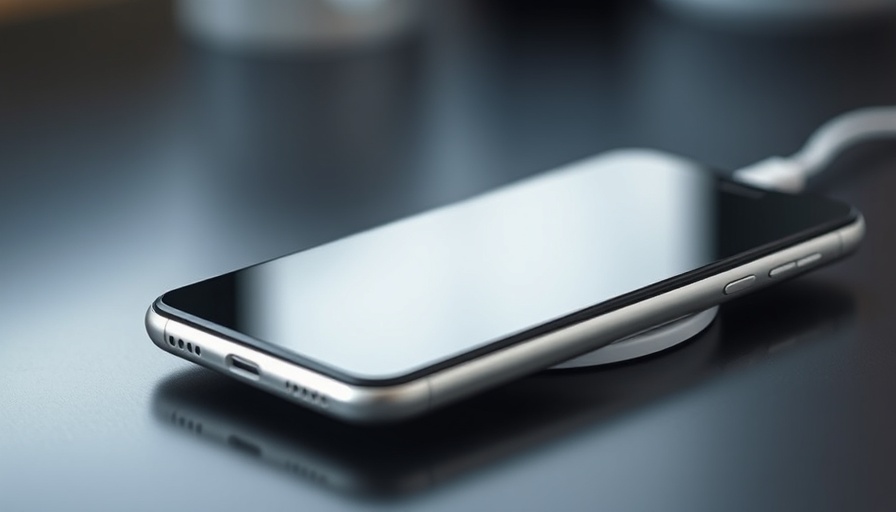
Modern smartphone charging close-up - Consumer Technology.

Unpacking Apple's Recent iPhone Developments

Apple's recent announcements have stirred excitement and speculation in the tech community, especially with the launch of the iPhone 16e and the hints surrounding the iPhone 17. The entry-level phone, priced at $599, has sparked conversation due to a significant price increase from its predecessor, the iPhone SE, which started at $429. Amid talks of rising inflation, this shift indicates potential changes across Apple's pricing structure.

What's New in the iPhone 16e?

The iPhone 16e, introduced recently, comes with a host of new features that distinguish it from the previous SE series. Users can look forward to advanced Face ID capabilities, an OLED display for stunning visuals, and enhanced specs with the new A18 processor. The addition of satellite connectivity and a 48-megapixel camera is aimed at making it more appealing, notwithstanding the elevated price point. Despite criticisms regarding its cost, Apple's marketing focuses on the more advanced technology embedded in this device compared to the iPhone SE.

Early Insights Into the iPhone 17

As we turn our attention to the iPhone 17, several features are already being teased, including a Wi-Fi upgrade and a completely redesigned model that could change the way users interact with their devices. The upcoming model is expected to feature Apple’s own chips, replacing components made by third parties, which is a significant move toward enhancing internal design and potentially improving device performance. According to reports, earlier versions in this line could streamline connectivity and power usage, maximizing the iPhone’s functionality.

Impacts of Pricing Changes on the Market

With the recent pricing shift for the iPhone 16e setting the stage, the anticipated iPhone 17 lineup seems poised for notable pricing increases as well. Industry analysts predict that models could debut with starting prices significantly higher than previous iterations. As tech enthusiasts compare the latest specs with ever-increasing costs, many are questioning whether the value proposition of future offerings remains intact.

Final Thoughts: What Lies Ahead for Apple?

As Apple continues to innovate and push boundaries in consumer technology, understanding the implications of pricing structures and product specifications remains critical for consumers and tech analysts alike. With the iPhone 17 set to launch later this year, staying informed about these developments will be essential for anyone keeping a watchful eye on Apple's next moves.

Gadgets & Consumer Tech

2 Views

0 Comments

Write A Comment

*
*
Please complete the captcha to submit your comment.
Related Posts All Posts
04.08.2026

Sony’s New Flagship RGB LED TVs Promises True Color Revolution

Update Introducing Sony's Revolutionary RGB LED TVs In the arena of consumer technology, Sony is set to make waves with its latest announcement concerning the flagship RGB LED TVs, distinguishing them through the ‘True RGB’ branding. This exciting innovation aims to elevate home viewing experiences by providing richer colors and superior brightness. Recent advancements in LED technology have positioned Sony as a formidable contender against OLED displays, traditionally deemed the gold standard in television technology. The Significance of ‘True RGB’ Branding The ‘True RGB’ branding suggests that Sony's new TVs will utilize advanced RGB Mini LED backlight technology. This system eliminates the need for typical blue LED backlighting by employing separate red, green, and blue LEDs. This shift is anticipated to enhance color performance, improve brightness levels, and reduce blooming—a common issue with traditional TV displays. Users can expect a significant upgrade in picture quality, allowing for a more vibrant and lifelike viewing experience. But will this technology truly rival OLED? Only time will reveal the answer. Staggered Release Strategy Sony’s strategic approach toward TV releases—spreading out introductions of new models—has garnered attention. Rather than refreshing its entire lineup annually like competitors Samsung and LG, Sony has segmented its updates. For example, while past models like the Bravia 9 have made substantial impacts, industry experts speculate that the new ‘True RGB’ model may find a spot among the top contenders for 2026, potentially dubbed the Bravia 10. What This Means for Consumers For consumers considering a new television, this development represents both a challenge and an opportunity. As the TV market becomes increasingly competitive, the introduction of cutting-edge technologies, like the RGB Mini LED, can lead to better pricing options for high-quality displays. Furthermore, shoppers are encouraged to weigh their preferences; while some may favor OLED for its deep blacks and saturation, others might find the benefits of RGB technology appealing. Conclusion: A New Era in Home Entertainment Ultimately, Sony's introduction of ‘True RGB’ TVs signals a pivotal moment in home entertainment technology. By focusing on revolutionary backlighting techniques, Sony aims to redefine what consumers expect from their viewing devices. As exciting advancements unfold in this space, technology enthusiasts should stay tuned to witness how these innovations will shape the future of visual entertainment.

04.06.2026

New Password Stealer Bypasses 2FA: Essential Insights for Users

Update Understanding the New Password Threat in Popular Browsers A new password stealer has emerged, raising alarms among users of popular web browsers like Chrome, Edge, and Firefox. This sophisticated malware is designed to bypass two-factor authentication (2FA), a security measure widely regarded as a crucial defense against unauthorized access. But how does this threat work, and what can you do to protect yourself? The Mechanics of the Malware The attackers behind this password stealer manipulate users' habits to harvest sensitive information directly. Through phishing techniques, they can trick users into revealing login credentials and even bypass the protective barriers of 2FA. This method poses a significant risk, especially as many people rely heavily on these security measures to safeguard their accounts. What’s at Stake? The implications of this threat are substantial. As consumers depend on digital services that require passwords, the stakes for security have never been higher. A successful breach can lead to identity theft, financial loss, and a loss of trust in online services. Cybersecurity experts urge users to remain vigilant, reinforcing the need for additional protective measures—beyond just 2FA. Enhancing Your Online Security In light of this vulnerability, users are encouraged to adopt stronger password practices, such as using unique passwords for different accounts and employing password managers. Furthermore, staying updated with the latest security news can help you recognize potential threats before they escalate. Final Thoughts: Stay Informed, Stay Safe As cyber threats become more advanced, understanding these risks is essential for every internet user. Ensuring that your digital habits include layered security protocols can significantly decrease your chances of falling victim to such attacks.

04.05.2026

Why 1.8 Billion Gmail Users Must Keep Two-Factor Authentication Active

Update Understanding Why Two-Factor Authentication (2FA) is CrucialThe recent hacking incident involving Gmail accounts has stirred concern among its vast user base of over 1.8 billion individuals. With reports surfacing about critical security misadvisement suggesting users disable their two-factor authentication (2FA), cybersecurity professionals are working tirelessly to clarify the issue. This alarming advice is not only misguided but poses significant security threats to users, highlighting the essential role that 2FA plays in protecting personal and sensitive information.Expert Opinions Warn Against Turning Off 2FAIn discussions within the Reddit community, a post from a hacked user recommended disabling 2FA to recover their account, a point that many experienced users and security experts vehemently countered. Many users chimed in, reminding the community that disabling this crucial layer of protection would only serve to make their accounts easier targets for hackers. Google itself has advised against such practices, promoting the use of 2FA as a necessary measure for improving account security despite its limitations. This reinforces the notion that active engagement with security measures is vital.Steps to Secure Your Gmail AccountEnhancing your Gmail account's security can be done through several key actions. First and foremost is enabling two-step verification, which can be set up by navigating to myaccount.google.com/security. Users can opt for authentication methods ranging from text messages to authenticator apps or physical security keys. Additionally, Google suggests employing passkeys, which utilize biometric data to streamline security. By adopting these measures, not only are users better protected, but they also mitigate the risks of falling victim to scams or data breaches.The Importance of Staying InformedWith new cyber threats emerging constantly, knowledge is power. Users should remain vigilant about securing their online presence, keeping informed about the latest security protocols implemented by platforms like Google. This proactive approach in safeguarding personal information is paramount, especially given the ever-evolving landscape of digital threats.After the recent incident, it is imperative for Gmail users to recognize the significance of two-factor authentication not as an obstacle, but as a crucial safeguarding tool against unauthorized access. By understanding the risks and actively employing recommended security measures, users can significantly reduce the potential for future breaches.

Terms of Service

Privacy Policy

Core Modal Title

Sorry, no results found

You Might Find These Articles Interesting

T
Please Check Your Email
We Will Be Following Up Shortly
*
*
*