
Add Row
Add Element
AiTechDigest
update
AI Tech Digest
AiTechDigest
update
Add Element
  • Home
  • Categories
    • AI & Machine Learning
    • Future Technologies
    • Tech Industry News
    • Robotics & Automation
    • Quantum Computing
    • Cybersecurity & Privacy
    • Big Data & Analytics
    • Ethics & AI Policy
    • Gadgets & Consumer Tech
    • Space & Aerospace Tech
  • All Posts
  • AI & Machine Learning
  • Future Technologies
  • Tech Industry News
  • Robotics & Automation
  • Quantum Computing
  • Cybersecurity & Privacy
  • Big Data & Analytics
  • Ethics & AI Policy
  • Gadgets & Consumer Tech
  • Space & Aerospace Tech
June 03.2025
2 Minutes Read

Apple Phases Out MacBook Air: What It Means for Users

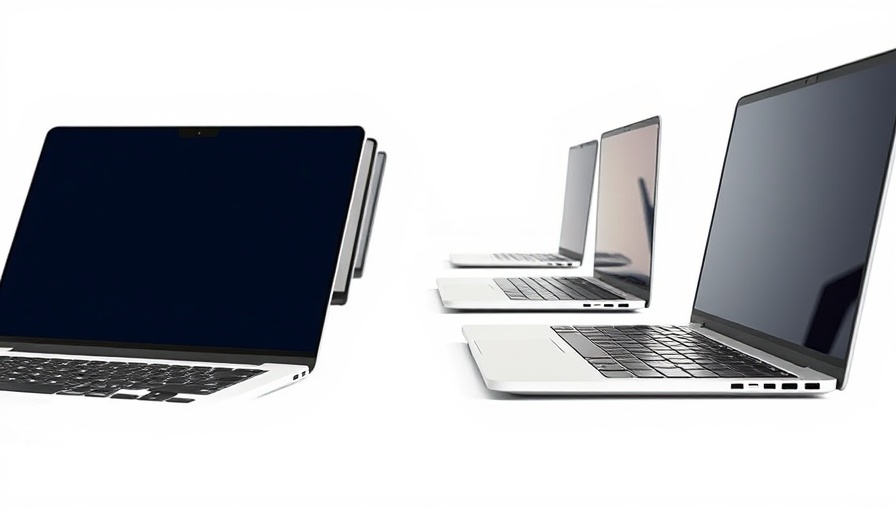
Consumer Technology featuring sleek modern laptops in dynamic arrangement.

The End of an Era for Intel-Powered Macs

Apple's latest move to phase out support for older Intel-powered devices, including several models of the MacBook Air, signals a significant shift in the company's commitment to its proprietary technology. As macOS 26 (likely named macOS Tahoe) approaches its debut during WWDC 2025, users of older machines will be left in the dust, unable to access the new features and visual enhancements focused on spatial computing.

What Users Will Miss

The push towards a redesigned macOS comes alongside a broader trend in technology. Users craving a refreshed interface will see an upgrade in visuals, yet many feel left behind with the exclusion of vital functionalities such as AI features tied to Siri and other services. This continued development of generative AI capabilities highlights Apple's intent to remain relevant in a rapidly evolving tech landscape.

A Move Towards the Future

In a world where advanced user interfaces are becoming the norm, Apple is leading the charge toward visionOS, its augmented reality operating system. Unlike traditional design principles of past Mac systems, this shift represents a bid not just for aesthetic improvements, but for a deeper integration with augmented reality technologies. The fate of older hardware like the MacBook Air may not come as a surprise, but it does raise questions for users who have relied on these devices.

Consumer Technology Trends

This transition is not just about functionality—it's about consumer technology trends that are shaping how we interact with our devices. As evident in their interfaces and new software features like Shortcuts for task automation, Apple is catering to an audience that desires convenience and sophistication. However, will consumers rally behind these changes, or will they feel alienated by the rapid transition to next-gen computing?

Ultimately, this strategic decision by Apple offers users a glimpse into the future of tech where spatial computing might soon feel commonplace. However, it sends a clear message: embrace the new or be left behind.

Gadgets & Consumer Tech

5 Views

0 Comments

Write A Comment

*
*
Related Posts All Posts
12.13.2025

Exploring iPhone 18 Pro Innovations and MacBook Trends in Consumer Technology

Update The Buzz Around the iPhone 18 Pro's Design As anticipation builds for Apple's next flagship device, the iPhone 18 Pro, rumors about its revolutionary design are dominating headlines. The biggest talking point is the potential inclusion of under-display Face ID technology. This innovation, if realized, could significantly alter the user experience by removing the dreaded notch—a feature that has been a characteristic of iPhones since the iPhone X. Reports vary, however, especially when discussing the notch’s fate. While some sources claim that the new design will solely feature a pinhole cutout for the front camera, others remain hopeful for a more streamlined design with complete elimination of the notch. This conflicting information leaves fans eager for clarity as we inch closer to the device's release date. The Rise and Fall of the iPhone Air This year has seen a turbulent journey for Apple's iPhone Air models. Initial excitement quickly gave way to disappointment as the device lost an alarming average of 44.3% of its retail value within just 10 weeks. The iPhone Air’s slim design has not captured the market's imagination as anticipated—potentially a signal that consumers are wary of superficial upgrades in a world where functionality reigns supreme. In contrast, the iPhone 17 Pro Max held its value better, losing just 26.1%. This suggests that as foldable technology emerges, Apple may need to reevaluate its marketing and development strategies to sustain consumer interest and drive sales. MacBook Trends Point to a Changing Tide Looking ahead to 2026, Apple is rumored to be preparing not one, but two significant MacBook releases: a budget-friendly model projected to retail under $999 and the high-performance M6 MacBook Pro, which promises new features including a potential 5G option. The introduction of a more affordable MacBook could make Apple technology accessible to a wider audience, which is crucial in today's competitive market. Moreover, the evolving tech scene hints at a possible shift toward touch capabilities in MacBooks, a feature Tim Cook has previously resisted. The M6's introduction may signify a pivotal moment for Apple, aligning its laptops more closely with user demands and market trends. App Store Age Verification: A Privacy Debate In an ongoing conversation about user privacy, Apple CEO Tim Cook recently voiced concerns regarding the App Store Accountability Act, which proposes that app store operators must verify user ages. This legislative push has sparked a wider debate about the responsibility of tech companies to safeguard user data while balancing parental control. Consumers may soon find themselves in the crossfire of privacy reforms that affect how they use technology.

12.12.2025

iOS 18.7.3 Emerges: Last Hope For Users Avoiding iOS 26.2

Update Apple's iOS 18.7.3: A Milestone UpdateOn December 11, 2025, Apple announced the release of iOS 18.7.3, which many believe could be the last significant update for iPhones opting out of the iOS 26.2 upgrade. This update is particularly noteworthy as it encapsulates important bug fixes and security enhancements crucial for users who prefer to maintain their devices without upgrading to the newer iOS version.Why iOS 18.7.3 MattersThe decision to stay with iOS 18 comes with both advantages and potential drawbacks. Apple continually stresses the importance of maintaining updated software for security purposes, as highlighted in the Apple security updates. Users delaying the transition to iOS 26.2 could miss out on key features and optimizations that come with Apple’s latest technology, yet many find comfort in stability, especially for older devices.Key Features and Security FixesWith iOS 18.7.3, users experience enhancements across various applications like Messages, where communication becomes more interactive, and improved functionality in the Maps app, which includes a new hiking experience. Furthermore, as stipulated in the Apple Support, this release focuses on providing significant security fixes, ensuring that users feel protected while enjoying their current setups.The Push Towards iOS 26.2As Apple gears up for its next wave of innovations, the company will naturally advocate for the shift to iOS 26.2, which promises to bring tailored features and deeper integration of systems across the Apple ecosystem, although users must weigh these benefits against the need for their devices to remain stable.Making the Right DecisionUsers must consider their priorities: whether to maintain their current system with iOS 18.7.3 and its updates or embrace the changes that come with iOS 26.2. Those who opt for the latter should brace themselves for potential learning curves associated with upgrades in functionality and user interface.Conclusion: Keep Your Device SecureImportantly, Apple emphasizes that keeping your device updated is critical in these times, as older software may expose your personal information to threats. Thus, it is prudent for iPhone users to evaluate their options and make a decision that balances security with their daily needs.

12.11.2025

Humanoid Robots Are Here: Discover How Google's Apollo is Changing Home Tasks

Update The Rise of Humanoid Robots: Making Home Tasks Easier Recent advancements in robotics have resulted in the development of humanoid robots that are increasingly capable of performing real-world tasks. Google DeepMind's latest collaboration with Apptronik showcases their Apollo humanoid robot handling everyday chores like sorting laundry and even packing snacks into Ziploc bags. This groundbreaking demonstration marks a significant step towards the integration of intelligent robots into our daily lives. Understanding the Technology Behind Apollo Apollo is designed to handle various household tasks with natural-language commands. Imagine instructing a robot to pick up the green block or sort laundry into darks and whites, and it understands! This is not just science fiction; this AI-powered robot showcases advancements in machine learning that allows it to interpret complex instructions and adapt to new environments. However, achieving the required speed and dexterity still poses a challenge. Challenges in Robotics: Speed and Precision Despite its capabilities, Apollo demonstrates some limitations. The movements of the robot can appear cumbersome, particularly when undertaking tasks that require fine motor skills, such as sealing a Ziploc bag. This endeavor highlights the ongoing necessity for better hardware and training methods. As noted by the director of robotics at Google DeepMind, enhancing efficiency in data processing is crucial for the future development of humanoid robots. Future Trends in Home Robotics The partnership between Apptronik and Google DeepMind not only signals hope for the future of robotics but also hints at potential applications across several industries, including healthcare and logistics. As these robots become safety-tested and contextually aware, their utility could expand beyond simple tasks, addressing global challenges and enhancing productivity. The Impact on Consumer Technology With a solid combination of AI advancements and robotics, the future looks promising for enhancing consumer technology. Not only might these robots simplify mundane tasks in households, but they could also change the face of manual labor in various sectors. The wave of the future could see humanoids not only coexisting with humans but becoming integral to daily life. As the robotics landscape continues to evolve, it's essential to stay informed on how these innovations could potentially transform our lives. Consumer technology is on the brink of a revolution, and understanding these changes now can better prepare us for the future.

Terms of Service

Privacy Policy

Core Modal Title

Sorry, no results found

You Might Find These Articles Interesting

T
Please Check Your Email
We Will Be Following Up Shortly
*
*
*